35 practitioners have an office in Arkansas, and 35 more can see patients here by telehealth. 41 of them are certified by the Menopause Society, and the most are in Little Rock, Fayetteville and Bentonville.
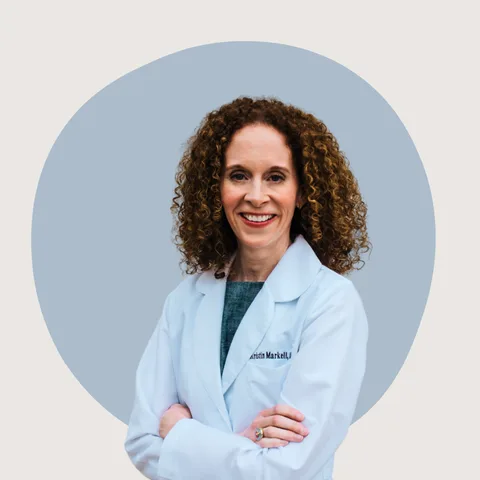
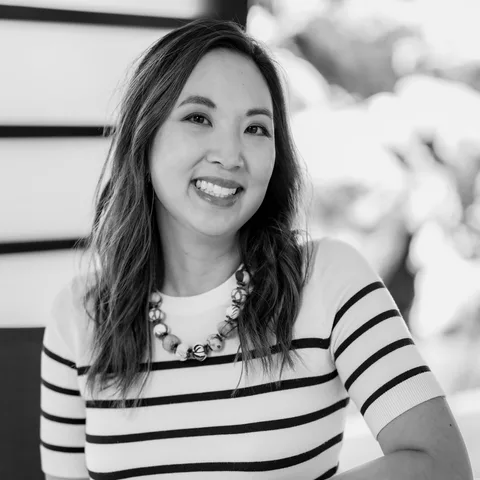
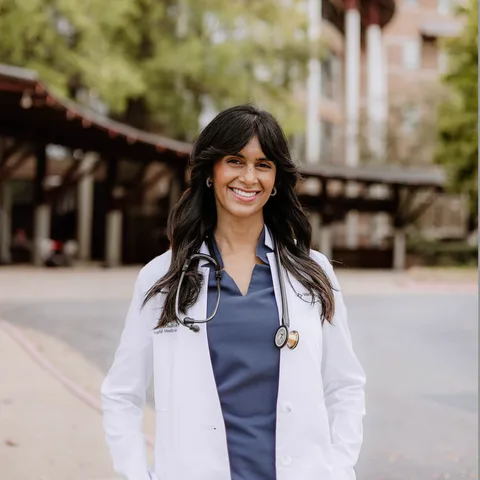
Dr. Markell spent about ten years as a practicing OB/GYN before leaving conventional practice to open her own integrative hormone clinic in downtown Springdale. Care is organized as programs rather than single visits. Most women start with a three-month consult that includes an hour-long first visit and a lab review, then move into a yearlong program with a few private visits and portal access to her team. She prescribes estrogen, progesterone and testosterone when they fit, and also works with women who cannot or do not want to take hormones. Her yearlong programs add group nutrition visits, body composition scans and a pelvic floor therapy visit. She does not do annual gynecology exams, so you still need someone else for those.
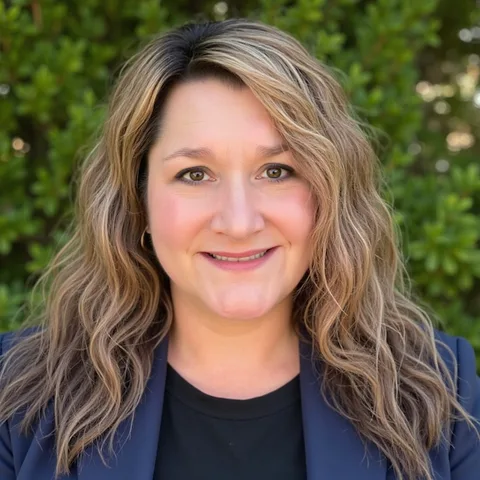
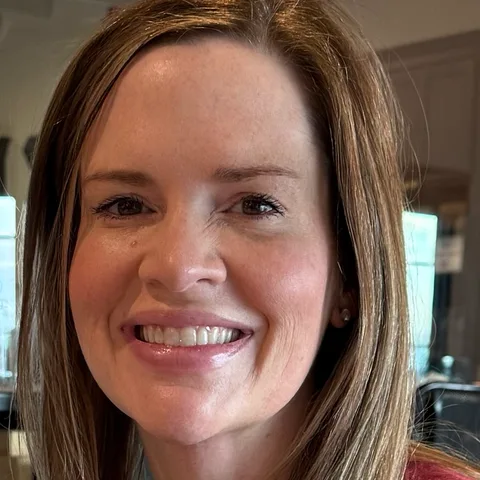
Dr. Bryson runs a small virtual practice built around two things, menopause care and medical weight management. She is boarded in both family medicine and obesity medicine, so many of her midlife patients come in dealing with weight changes and hormone changes together. She sticks to FDA-approved hormone therapy and also prescribes non-hormonal options. Care starts with a free 15-minute meet and greet, then a long new-patient visit with a full health history and workup. Members move from monthly visits down to every three or six months once treatment is stable, and they can reach her directly by text, phone or email. She currently sees Arkansas residents only and cannot take patients on Medicare.
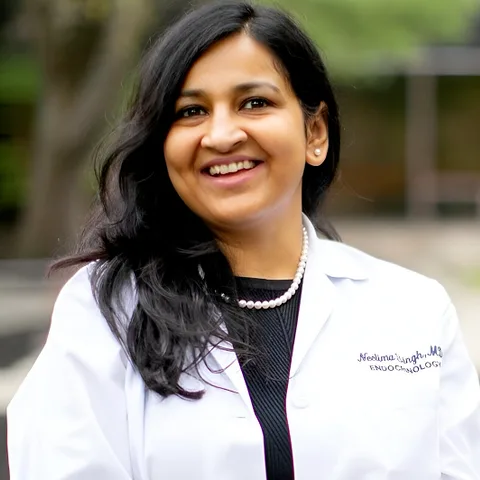
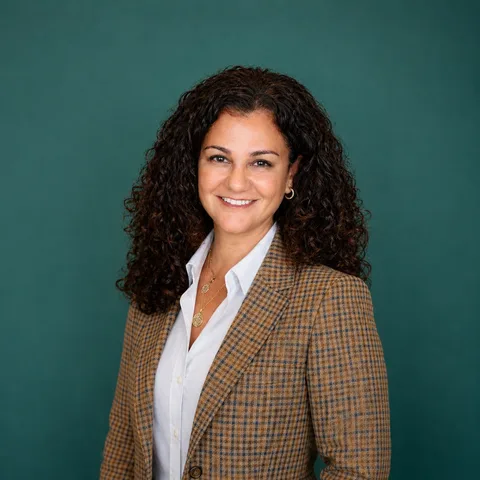
EndoHarmony is Dr. Singh's solo direct-care endocrinology practice, run on a membership or fee-for-service basis with a deliberately small panel. She caps it at roughly 300 patients rather than the 3,000 of a traditional clinic. Menopause care sits inside a broader endocrine practice, so menopause management with hormone replacement therapy runs alongside thyroid disease, osteoporosis and bone density screening, PCOS, lipid disorders, diabetes and medically supervised weight management. Most visits are virtual, with in-person days on Fridays at the Westborough office and Thursdays by appointment at a second Natick location. New patients start with a short video meet-and-greet before registering, and members get sixty to a hundred and twenty minute appointments, unlimited secure messaging and round-the-clock outreach for urgent concerns.
Gennev is a virtual menopause clinic and Brekke is one of the doctors on its prescriber roster. She is a board certified OB-GYN with more than 25 years in practice, and her own page names perimenopause, menopause, premature ovarian insufficiency and weight management medication. Her stated approach is for women who are good at supporting everyone around them and who struggle to put themselves first. She says she does not do meal plans or macros, and works instead through small habits that build on what a patient already does well. Visits are by video and run 30 minutes, and a referral to one of the clinic's dietitians can be made at the first appointment. The clinic prescribes GLP-1 medication on its weight track and says plainly that it will not use compounded versions.
Diana Kumar is a board certified OB-GYN who co-founded Gliss Wellness, a virtual practice built around perimenopause and menopause. All care happens by video and secure messaging, so there is no office to visit. A menopause visit runs about 30 minutes and ends with a plan and prescriptions for an initial three month period, followed by a check-in visit before refills continue for the rest of the year. She prescribes hormone therapy when it fits, can order labs and scans, and sends prescriptions to the patient's own pharmacy. She also sees women for weight counseling and for urgent gynecology problems handled through a short written form. Her stated areas of interest are PCOS, sexual dysfunction, bone health and longevity medicine.
Women's Health Associates is a seven-provider OB/GYN practice in Bentonville that handles pregnancy, gynecology and menopause in one office. Dr. Sills joined the practice's founder there in 2012, and her work centers on menopause, preventive care and gynecologic surgery. She says the menopausal transition is a particular interest of hers, and that she is working toward certification as a menopause specialist. The practice's menopause page takes the view that menopause itself does not need treating and that the treatment is for the symptoms, but it never says which hormone or non-hormone options the doctors use. Care happens in person at the Bentonville office, and new patients print a packet of forms and bring it to the first appointment.
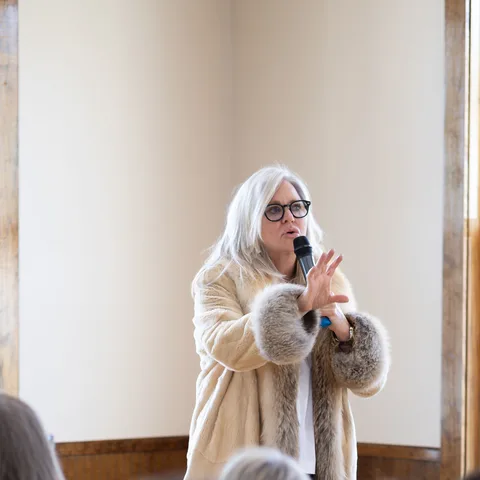
Dr. Carol runs a small concierge practice for women in perimenopause and menopause, and she is going through midlife herself. She spent about 20 years as an emergency physician before turning to menopause care. Care starts with a free 30-minute video call, then a package of two long visits, each 60 to 90 minutes, with messaging between and after them. Visits can be at her Manhattan office, by video, or at your home or workplace. The visits look at symptom treatment along with bone, heart and breast cancer risk. She does not replace your own doctors, so you still need a primary care doctor and a gynecologist for exams and mammograms.
Dr. Freeman runs her own concierge family medicine clinic in downtown Austin and puts hormone care for menopausal and peri-menopausal women at the front of it. She is a member of The Menopause Society and books 45 to 60 minute hormone consultations so there is time to go through a patient's questions. Hormone care is guided by symptoms as much as by blood or saliva levels, and the clinic also treats low testosterone in women with injections, gels or creams, and subdermal pellets. It is a membership clinic rather than one that bills insurance, and members get a yearly physical, a monthly B12 injection and lab draws in the office. Dr. Freeman is an osteopathic physician who does hands on manipulation, still makes house calls, and recommends a full body treatment four times a year. She grew up surfing the Texas coast and bikes to and from the clinic.
Hot Springs National Park, AR · In person & virtual
Self-pay · from $150/mo
Dr. Rice is a general and trauma surgeon who started this separate practice for women in perimenopause and menopause. She prescribes bioidentical hormones and also coaches patients on lifestyle. New patients start with a long first consultation, in person in Hot Springs or by video, and then have follow-up visits. Patients can message her through an app portal, and she runs a monthly group video call.
Gliss Wellness is a virtual-only OB/GYN practice Dr. Walsh co-founded with a second board-certified OB/GYN, and menopause care is its main focus. Care starts with a 30-minute video consultation about your symptoms, and if hormone therapy suits you, you leave with prescriptions for the first three months. A follow-up at three months keeps refills going for the rest of the year, and refills in between happen by message through the patient portal. There is no membership, and you fill prescriptions at your own pharmacy. The doctors can't examine you in person but can order labs and other tests. Dr. Walsh's own interests include pelvic pain, endometriosis, fibroids and weight loss, and a free 15-minute call lets you meet the team before booking.
Gennev is an all-virtual menopause clinic owned by Unified Women's Healthcare, and care starts with a 30 minute video visit with a menopause-trained doctor. Dunsmoor-Su is Gennev's chief medical officer and she also carries her own patient list. The areas she names herself include premature ovarian insufficiency, breast cancer risk and survivorship, endometriosis, and weight management with medication. Her background is clinical epidemiology, and she still runs women's health drug trials as a medical director at a Seattle research centre and teaches OB-GYN residents. She says she treats each visit as a chance to explain the current evidence so the decision about treatment is a shared one. Doctors here prescribe FDA-approved hormone therapy when a patient is a candidate and non-hormonal medicines when she is not, and the clinic tells patients to steer clear of compounded weight drugs made outside FDA oversight.
Beyer is a Midi clinical leader and sits on the company advisory board, and she still sees patients by video. She trained in obstetrics and gynaecology, then dropped obstetrics to work on gynaecology and hormonal health only. Weight is her second focus and she holds a diplomate from the American Board of Obesity Medicine. She talks openly about gaining weight before her 50th birthday and losing 35 pounds over five months, and she uses that with patients who are struggling. Care runs through Midi only, so visits are by video and anything needing an exam or imaging goes to an outside clinician. Her page has no booking link of her own, so the Midi sign-up does not let a new patient choose her by name.
Women's Health Associates is a seven-provider OB/GYN practice in Bentonville, and Dr. Sarver has been a physician there since it was founded in 2012. She has practiced in Northwest Arkansas since 2002, and her bio says she especially enjoys menopausal medicine and helping women navigate life stage transitions. The practice describes itself as women caring for women, and the same office handles pregnancy, gynecology and midlife care, with a medical weight loss program run alongside by a dietician on staff. Its menopause page explains what changes in the body and says treatment is aimed at the symptoms rather than at menopause itself, but it never names a hormone or non-hormone option the doctors use. Care is in person at the Bentonville office. New patients print a packet of forms and bring it to the first appointment, and appointments start with a request form on the site rather than online booking.