93 practitioners have an office in Arizona, and 112 more can see patients here by telehealth. 126 of them are certified by the Menopause Society, and the most are in Scottsdale, Tucson and Phoenix.
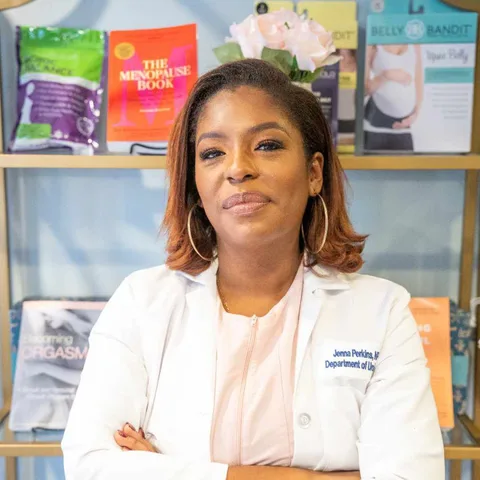
Online Benign Gyne is Dr. Todd's own telehealth practice, and every visit happens by video. She sees women for contraception, breast concerns, vaginal and vulva problems, menopause and facial skin care, and consultations and referrals are part of what she offers. Her site carries long plain-language explainers on hormone therapy, PCOS, urinary infections and breast exams. She is a New Orleans native and a military veteran who served during Operation Desert Storm and later at Walter Reed Medical Center. She says she especially enjoys caring for older women because she has faced the same changes herself. New patients can pick a video slot through the practice's own online scheduler.
Dr. Dombo is a board-certified OB-GYN who is going through the menopausal transition herself. She says starting hormone therapy and changing her nutrition and supplements took her from exhaustion and poor sleep back to enjoying life, and that is why she does this work. She trained in the early 2000s, when hormone therapy was widely feared, and now calls it the gold standard for symptom relief. The first visit runs 60 minutes and covers medical and gynecologic history, medications, nutrition and exercise, then a personal treatment plan. The visit also lists a nutritionist assessment, an exercise plan and mindset coaching, and follow-ups run 25 minutes. She writes publicly about why menopause hits Black women harder and how often they face barriers to care.
Damara Andreoli is a certified nurse midwife in the OB-GYN clinic at Denver Health, the city's large public hospital system. The midwife team there sees women for well visits and gynaecologic care through menopause, and they work alongside the hospital's physicians. She sees patients at the main campus clinic in central Denver. Phone and video visits are offered for most gynaecology appointments, but only to patients living in Colorado. New patients can book online through the hospital's scheduling system, and interpreters are available for every language. The hospital's site does not say what she prescribes, and its provider pages publish no biography or conditions list for any of its midwives or OB-GYN physicians.
Kate Aronov is a physician associate and the founder of this Brooklyn practice, which treats both women and men. Her own account of her work says she spent more than twenty years in family practice, internal medicine and women's health before opening it. Care for midlife women runs through a program she calls Midlife Reboot, which starts with a full hormone panel and a symptom assessment covering estrogen, progesterone, testosterone, thyroid and adrenal function. Bioidentical hormone therapy is prescribed from those results when she judges it appropriate, and the plan is revised as labs and symptoms change. She writes openly that being a mother of three who went through fatigue, hormonal change and weight struggles herself is what made her impatient with being told symptoms are just part of aging. The practice also runs a large aesthetic and weight loss side, so a woman coming for hormone care is choosing one route among many.
Kasianchuk is a registered dietitian at Gennev, a virtual menopause clinic, so her work is nutrition and lifestyle counseling rather than prescribing. Gennev's doctors handle medication and hormone therapy, and she works alongside them with shared notes in the patient record. Her own page names weight management, bone health and cardiovascular health as her areas, along with sports nutrition and exercise physiology. A first visit with her runs 50 to 55 minutes and follow-ups run 30 to 40 minutes, usually every two or three weeks for at least three months, with text support in between. She also runs Gennev's lifestyle care program as its senior director of lifestyle care. Gennev's weight management track starts with the dietitian rather than the doctor and you can self-refer into it, while nutrition care in the general menopause track comes as a referral from your first doctor visit.
Dr. Molloy is a gynecologist at the Banner University Medicine Women's Institute in central Phoenix. Her focus is the menopause transition, sexual health and vulvar conditions. She also treats pain with sex, vulvodynia and vulvar skin conditions such as lichen sclerosus. She sees adults in the office and by video, and she speaks Spanish and English. She teaches medical students and residents and likes patients to make decisions about their care together with her. Appointments are made by phone, as online booking is only open to returning patients.