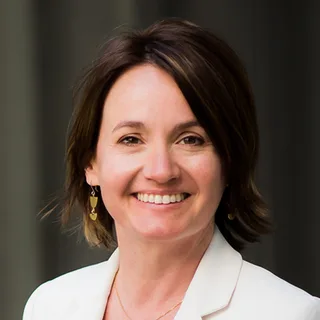
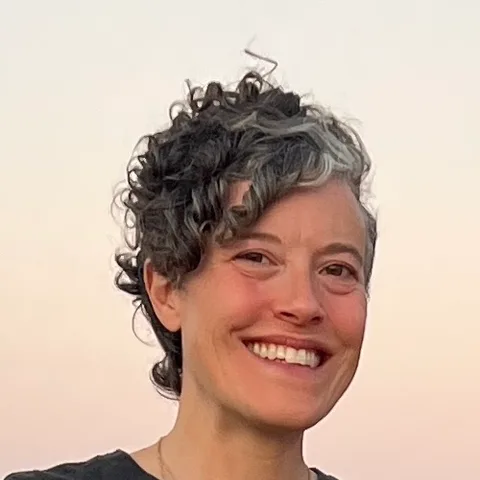
Dr. Hannon is an OB-GYN who runs this Inner Richmond practice with her father, Dr. Ziyad Hannon, and a nurse practitioner who is also a Menopause Society certified practitioner. The practice describes its care as trauma-informed, and Dr. Hannon is an outspoken advocate for LGBTQ patients, including gender-affirming surgery. For menopause they prescribe patches, gels, pills and vaginal estrogen, with micronized progesterone, and they also offer nonhormonal options such as Veozah. Testosterone and other libido medications are available when low desire is the main concern. Labs are used only when they are clinically needed. Visits are in person, and new patients can request an appointment online or by phone.
Chun co-founded this two-doctor gynecology practice in Laurel Village and still sees patients there. She says what drew her to the field is following one woman through her whole life, from childhood through the reproductive years and into postmenopause, and her practice runs that broad. Care is in person at the California Street office, and new patients start by phone and by filling in the registration and gynecology intake forms the site posts. The practice takes a firm line on compounded bioidentical hormones, saying the doses are not regulated so a woman may not get a consistent amount, and it prefers the few bioidentical hormones made by regulated manufacturers. For dryness and painful sex the office prescribes topical estrogen as a ring, a tablet or a cream. Both doctors speak Mandarin and Cantonese, and the second office at Daniel Burnham Court has closed so everything now runs out of Laurel Village.
Bove is a UCSF neurologist who sees patients at the Multiple Sclerosis and Neuroinflammation Center at Mission Bay. The conditions her clinic profile lists are multiple sclerosis, neuromyelitis optica and optic neuritis, and she offers video visits alongside the clinic. She founded UCSF's Sex And Gender-Enriched Neurology program, which tries to make neurological care account for pregnancy, menopause and other hormonal transitions. Most of her menopause work is research. She led the first randomized trial in menopausal women with MS and has written more than 25 papers on how estrogens and testosterone affect the course of MS. Before medicine she studied anthropology and spent several years travelling on a Fulbright grant doing ethnographic film work, and she speaks French and Spanish.