291 practitioners have an office in Florida, and 197 more can see patients here by telehealth. 306 of them are certified by the Menopause Society, and the most are in Miami, Orlando and Jacksonville.
Dr. Krapf runs her own gynecology practice in South Tampa focused on vulvar and pelvic pain, vulvar skin conditions such as lichen sclerosus, recurrent vaginitis and menopause. She spent several years as an associate director at a Washington DC center devoted to vulvar pain before opening the Tampa office in 2023. Her site puts menopause alongside vulvar pain and skin conditions, so she is a natural fit for women whose menopause symptoms show up as painful sex or vulvar discomfort. She co-wrote the book When Sex Hurts and helps edit a medical textbook on female sexual pain. New patients start by emailing the office to request a consult, and her former DC patients can continue with her in Tampa.
Pausitive Women's Care is a small membership practice in Rockledge for women in midlife. Everyone starts with a 60 minute new patient consultation, and after that visit patients can join the monthly care plan, which covers follow-ups in person or by video, direct texting with the office, lab review and hormone therapy adjustments. Ashleigh Auth sees patients at the Rockledge office and by telemedicine anywhere in Florida. She came to this work through OBGYN, urogynecology and reproductive endocrinology, and she speaks at national conferences on menopause and sexual health. Alongside hormone care the practice handles well woman exams, painful sex and pelvic pain, weight management and referrals for preventive screening. A second physician assistant also sees midlife patients there, and her own next openings can be months out.
Dr. DiGirolamo is a reproductive endocrinologist who spent a decade as a fertility specialist at Boston IVF before opening this virtual practice. She sees women from their first periods through menopause, with a focus on active women and athletes, and she manages perimenopause, menopause and hormone therapy. Care starts with a 50-minute Zoom consultation after an intake questionnaire, followed by shorter video follow-ups. Visits are video only, and a medical visit is only possible if you are calling in from a state where she is licensed. She is also a CrossFit trainer and nutrition coach, and she builds care on exercise and nutrition first, adding medication as needed. She does not provide primary care and recommends you keep your own primary care doctor.
Dr. Rutter runs a small, fully virtual menopause practice for women who are in Florida at the time of the visit. She spent 25 years in primary care before starting it, after connecting her own run of health problems to menopause. New patients book and pay online, then get a portal invite and an intake questionnaire before a 60 minute video visit. Treatment on the site is FDA-approved hormones such as estradiol and progesterone, transdermal testosterone when it fits, and non-hormonal medications. The practice keeps a small panel and is meant to sit alongside a woman's own primary care and gynecology, so she may be sent back to an in-person team for exams or tests that need hands on. A follow-up is required a few weeks after starting a new medication before refills are given.
Sumerlyn Peckham owns Hyer Health, a small integrative primary care office in Ormond Beach that used to be called Ageless Health and Hormones. She says hormone health is her real passion and she has extra training in managing menopause after breast cancer. The office also sees men, so midlife hormone care sits alongside primary care and functional medicine. Visits can be in person or by video, and new patients start with a free 15-minute phone call. Care runs on a direct primary care style monthly membership, though you can also pay per visit, and hormone prescriptions cost extra. Pellet insertion is done in the office and compounded prescriptions are available at member savings.
Family medicine · MD, FAAFP, IFCMP, AABARM, MSCP, CYT
Accepting new patients
Plantation, FL · In person & virtual
Membership · from $160/mo
Dr. Singh runs a direct primary care practice in Plantation with one other family physician. Menopause and other hormone care sit in the functional medicine track. That track starts with a free phone meet and greet, then a two-hour first visit in the office or by video, followed by a written care plan by email. Most follow-up visits are by telehealth. New patients currently join a waitlist for that first visit, and the practice offers a faster expedited consultation for anyone who doesn't want to wait.
Dr. Reyes founded Magnolia Gynecology in Tampa and sees menopause and hormone patients by video. The first visit is an hour, labs are ordered during it, and follow-ups are shorter and usually come about three months later. Prescribing is only for people living in Florida. Women in other states can book an education-only consult where nothing is prescribed. The practice writes openly that pellets push hormone levels too high, so it mostly uses testosterone gels and creams that can be stopped. Blood levels are checked every four to six weeks when testosterone starts.
Luciana Svilpa runs Women's Preventive Care Clinic as a solo concierge practice in Winter Park, seeing patients in the office and by video in Florida, Washington State and California. Care runs on two tracks, a full hour for hormone therapy and weight management with labs already in hand, or a shorter first visit plus a separate results review for preventive gynecology and everything else. Labs are ordered the day a patient books, so the first appointment is spent on results rather than on waiting. Estradiol and progesterone are usually commercial pharmacy products, testosterone is compounded as pellets, creams or troches, and testosterone injections are not offered because of the risk of virilization. Compounded prescriptions have to come from the one partner pharmacy the practice worked with on its own formulations, and Pap smears, IUD insertion and pelvic exams are booked as their own appointments rather than folded into a consultation. Consultations and the patient portal are available in English and in Portuguese.
Jennifer Miller runs a small solo menopause practice in Sarasota and sees women in person or by video anywhere in Florida. She has gone through perimenopause and menopause herself and says that shapes how she practices. Visits are unhurried, and a first appointment runs an hour or longer. She prescribes FDA-approved hormone therapy and stays away from fads. She is also a certified nutritionist and personal trainer, so exercise and nutrition come up in her visits alongside hormones. She reads bone density scans herself, manages osteoporosis, and offers genetic testing for hereditary cancer risk.
She is a board-certified psychiatrist who focuses on the mental health side of perimenopause. That means anxiety, low mood, irritability, poor sleep and brain fog that arrive in midlife. Care is online only and starts with a free 15-minute call and a long intake, then follow-ups that blend medication and lifestyle work. Medication can include antidepressants, sleep support, non-hormonal options for hot flashes, and estrogen and progesterone when they fit. She says she aims for the least medication that gets a real result. She spent 12 years in the military, including as medical director of an inpatient mental health unit.
Dr. Rawof founded Sana Medical Care, a small practice of her own in the Lake Nona area of Orlando. She sees women for perimenopause and menopause alongside family medicine patients from age seven up, so a patient can keep her as her regular doctor. Menopause care starts with one physician consultation and then runs as a three month program, and the higher tiers add messaging access and quicker replies. Her stated approach is to work out what is driving the symptoms, so a plan can cover hormones, metabolism, sleep and mood at the same time. Virtual visits are available and Tuesdays are set aside for telemedicine. She trained in family medicine in Canada with extra emergency medicine training, has taught as faculty at several medical schools, and is also a certified life coach.
Nova Francis-Wallace sees patients at a small direct primary care practice in Pensacola that she runs alongside a physician assistant. Hormone care is its own monthly program. You enroll, get labs drawn in the clinic or at Labcorp, then have a one-hour visit to go over results, examine you and talk through the risks and benefits of hormone therapy. Members can reach the practice by phone, text and email, and video visits are offered when getting to the office is hard. Before becoming a nurse practitioner she spent years as an emergency and intensive care nurse, and she led the first COVID testing clinic in the Florida panhandle. The practice starts with a free 15 minute phone call to see if it is a good fit.
LIV Medical is a solo direct primary care practice built around women's health. Dr. Margjoni is a board-certified family physician who started the practice after her own frustration as a patient. Menopause and perimenopause care can be booked on its own, so you do not have to join as a primary care member first. The first visit is an hour and the follow-up is usually about three months later to review labs and adjust treatment. She uses estrogen, progesterone and testosterone when appropriate, alongside non-hormonal options, and she does not offer or recommend hormone pellets. Members can call, text or email her between visits.
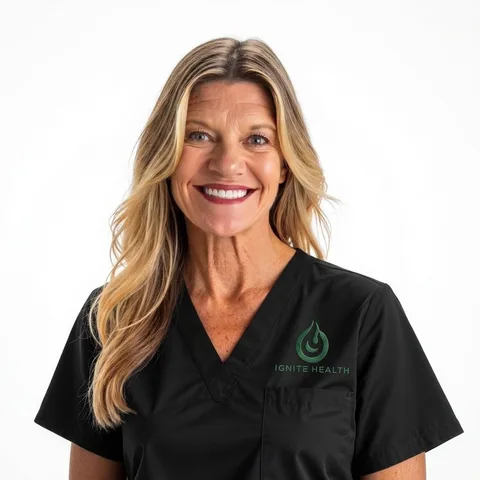
Ignite Health is a solo, telehealth-only practice run by Kiesha Katsares, a Menopause Society Certified Practitioner who also holds a Certificate of Advanced Education in Obesity Medicine. Every new patient starts at the same entry point, a twelve-week concierge program that evaluates hormones, metabolism, weight, sleep, mood, energy and sexual health. It includes secure messaging throughout and ends in a follow-up visit where the patient picks a continued-care track. Those tracks range from pay-as-you-go follow-ups to a membership that folds routine primary care in with hormone and metabolic management. She specifically takes women with complex histories, including a history of breast cancer, and will use non-hormonal options and coordinate with oncology when hormones are not appropriate.
Dr. Romero is a family physician who runs a small direct primary care practice with offices in Estero and Naples. Menopause care comes two ways. Members get hormone care as part of their ongoing primary care, and anyone else can buy a ShineWell program, from a single 90-minute consult up to a six-month plan with five visits and texting. She prescribes FDA-approved estrogen, progesterone and testosterone, and she also sees women with hormone symptoms during or after cancer treatment. The longer programs include a body composition scan and orders for a bone density scan, heart calcium score and mammogram if you are due. She grew up in Puerto Rico and sees patients in English and Spanish.
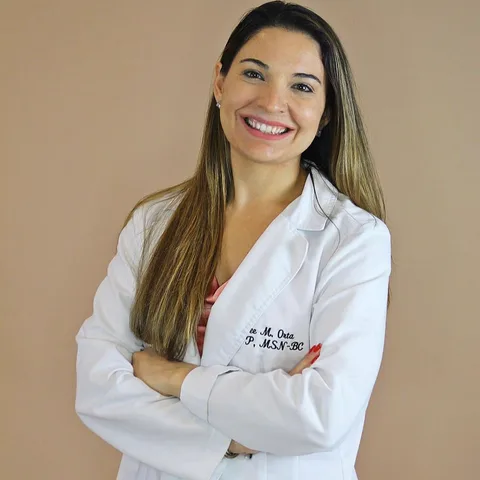
Infinite Wellness is a small Miami clinic owned by Desiree Orta, a nurse practitioner who trained at the University of Miami and Jackson Memorial Hospital. She approaches hormone changes through functional medicine and starts everyone with a consultation covering labs, symptoms and lifestyle before anything is prescribed. Hormone care may include estrogen, progesterone or testosterone, and she also places hormone pellets under the skin. The same practice does a lot of aesthetic work such as Botox, fillers and microneedling, with a dermatologist as medical director, so hormone patients share the clinic with cosmetic ones. She also runs a medical weight loss program built around GLP-1 medication, and a separate thyroid visit for people already on thyroid medication who still feel unwell. Appointments are booked online and the hormone consultation and follow ups can both be done virtually.
Dr. Luciano runs Sparrow Women's Health, a small gynecology practice in Winter Garden that she founded after years of private practice and hospitalist work. She keeps her patient panel small on purpose, and you see her at every visit rather than a rotating team. Menopause care starts with a 45 to 60 minute consultation in the office, and follow-ups can move to telehealth once you are established. She prescribes hormone therapy when it fits your history, and offers vaginal estrogen and non-hormonal medicines for women who can't or would rather not take hormones. Her site says plainly that hormone therapy is not a weight loss treatment. Because she also does routine gynecology like annual exams, IUDs and colposcopy, one doctor can cover both.
Dr. Yeung spent about fifteen years in academic radiation oncology at the University of Florida before moving into lifestyle medicine. She became a Menopause Society Certified Practitioner after her own perimenopause showed her how little conventional care knew about it. Care runs as a monthly membership that starts with a 60 minute visit, a second visit to go over test results and a plan, then shorter monthly visits and secure messaging, in person in Gainesville or by video. She generally prescribes FDA-approved body-identical hormones rather than compounded ones, and testosterone gel for women when it fits. Hormones sit next to non-hormonal medication and lifestyle changes, and she says plainly that you can be helped without them. She also leads a six-month program for cancer survivors, including women in early menopause from treatment.
Curate Medical is a virtual-first practice that sees women anywhere in Florida. Dr. Sramek is one of its by-appointment physicians, so a new patient books a 60 minute visit with her and returns for 45 minute follow-ups as needed. That route is designed to sit alongside the primary care and gynecology a woman already has locally, and Curate handles the labs, imaging and referrals that go with it. The practice also runs an ongoing primary care membership, but it is open only with the medical director, so it is not a way to be seen by Dr. Sramek. Her own areas are hormonal and non-hormonal treatment for perimenopause and menopause, plus metabolic and weight care and sexual health. She played Division I soccer at Dartmouth before medical school.
Takes Aetna, Blue Cross Blue Shield +4 · from $125/mo
Dr. Siddiqui is a board-certified osteopathic family physician who runs her own primary care practice in southeast Orlando. She lists menopause care and hormone replacement therapy as services, and the practice also offers medical weight loss and osteopathic manipulation. Patients can use insurance or join a monthly direct primary care membership with unlimited visits and after-hours access to her. Virtual visits are available on request.
Dr. De Rosales is a nephrologist and internal medicine physician with training in women's health. She sees women in perimenopause and menopause for hormone therapy, and she also runs a separate medical weight loss track. All visits are by video. The first visit is an hour so she can go through your whole history, and she says many women in perimenopause see several doctors before anyone considers it. Follow-ups are shorter and spaced every six to twelve weeks. Her monthly HRT membership adds email access to her and prescription refills between visits.
Dr. Pauley is a pediatric endocrinologist who opened this direct-pay practice in 2023. Much of the clinic is growth and puberty care for children, and she also sees adults, so the menopause side is one part of a broad endocrine practice. Women come for perimenopause and menopause care that includes hormone therapy, and the practice also treats thyroid problems and runs a medically supervised weight program. New patients fill out an online request form, then the office calls to set up a one hour first visit. Some follow-ups are done by video. The menopause page names her nurse practitioner, Jennifer Delgado, as the clinician to work with, so a new patient may see either of them.
John Waters co-founded The Cove, a small concierge primary care practice in Castle Rock, with Dr. Aaron Block, who is also Menopause Society certified. The two run the menopause service together and describe themselves as a physician and nurse practitioner team. Care starts with a free meet and greet, and members then get office visits, same-day appointments and direct phone and email access to their provider. For hormones they use both FDA-approved and bioidentical options with ongoing monitoring, and they also look at bone, heart and metabolic health in midlife. Visits are mostly in person, with video visits offered only in some cases. John has practiced since 2009 with a focus on adult and older-adult medicine and LGBTQ+ care, and he leans on humor with patients.
Terra Share runs a solo practice out of Denver that is entirely virtual, and she sees patients for perimenopause, menopause and gender-affirming hormone care anywhere in Colorado. First visits run 60 minutes and follow-ups 45, with secure messaging in between. She orders and interprets labs herself and manages prescriptions for up to a year when that is appropriate. She does not bill insurance, and she says that is exactly what buys the longer visit. She also does short gyn urgent care visits in nine other states, but hormone care stays inside Colorado. She has written clinical protocols for larger healthcare organizations, and after living in Steamboat Springs and Missoula she cares most about reaching women who are nowhere near a city.