25 practitioners have an office in Hawaii, and 26 more can see patients here by telehealth. 36 of them are certified by the Menopause Society, and the most are in Honolulu, Kailua and Kahului.
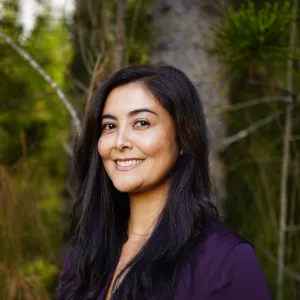
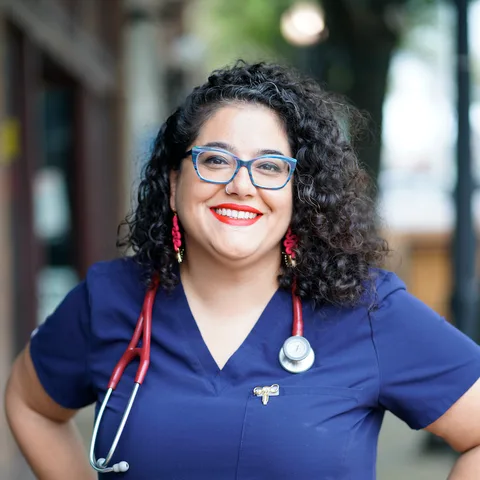
Dr. Takemoto-Gentile is a family physician who runs a direct primary care practice in Honolulu with Dr. Curtis Takemoto-Gentile. Patients pay a monthly membership that covers unlimited office visits, and they can reach her directly by phone, text, email or video. Hormone therapy for women is one of her main interests, including bioidentical hormones, and the practice runs its own hormone program priced separately from the membership. She does well-woman exams and Pap smears too, so routine screening and menopause care can happen in one place. Each doctor keeps fewer than 600 patients, and you can meet one of them for free before deciding to join.
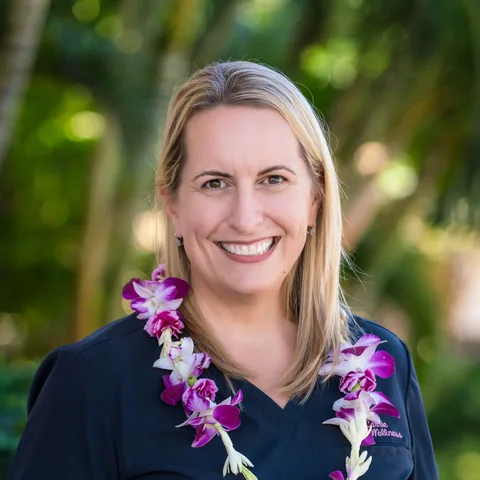
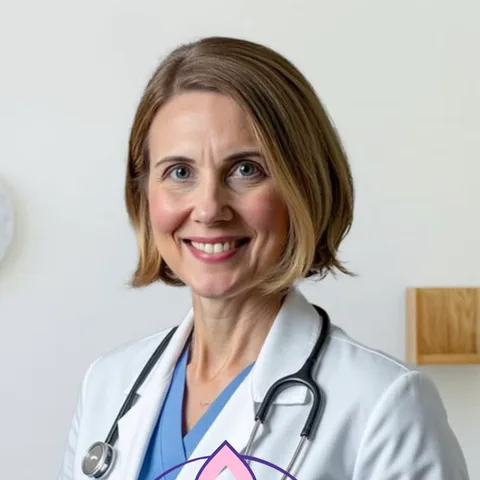
Dr. G is a Maui gynecologist who is also board certified in obesity medicine, so hormones and midlife weight are handled in the same visit. First visits run a full thirty minutes, and follow-up is booked before you leave. Many hormone follow-ups happen by video for patients in Hawaii or Illinois, where she practiced for twelve years before moving to Maui. She prescribes bioidentical estradiol and progesterone in patches, gels, pills or vaginal forms, and uses compounded preparations when they fit. For low desire she prefers a compounded testosterone cream from a local Maui pharmacy. She will not use pellets because the dose can't be adjusted once they are in.
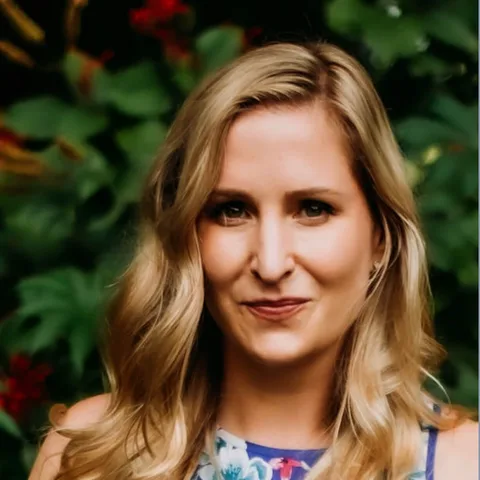
Dr. Krebs founded Clear Medical, a small direct primary care practice in Koloa on Kauai. You can see her just for menopause care and keep your own primary care doctor, and menopause visits are paid one at a time with no membership or contract. She starts with a long first conversation, then builds a treatment plan and adjusts it over time as your labs change. Hormone therapy is used when it fits, alongside non-hormonal options and lifestyle changes. Before medicine she spent four years as a biochemistry researcher studying mitochondria and neurodegeneration, and that background shows in how she practices. Her primary care membership currently has a waitlist.
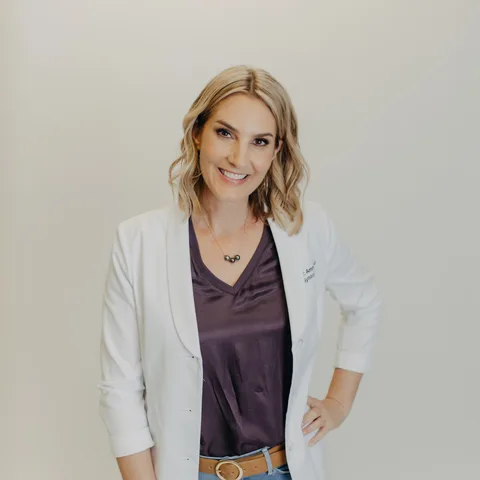
Pacific Menopause is a virtual clinic Dr. Ammerman built to do one thing, which is midlife and menopause care by video. New patient visits run a full 60 minutes, and follow ups are usually booked two to three months later and then spaced out to once a year once symptoms settle. She prescribes FDA approved hormone therapy and testosterone, and she spells out that this means bioidentical hormones such as estradiol and progesterone, which have the same molecular structure as the hormones the body makes. Non hormonal prescriptions are there for women who cannot take hormones or would rather avoid them. Weight is her second focus, and she prescribes both oral and injectable weight loss medication alongside work on nutrition, activity and behaviour. She also owns a gynecology clinic in Kahului, so patients on Maui can choose to see her there in person instead.
Diana Kumar is a board certified OB-GYN who co-founded Gliss Wellness, a virtual practice built around perimenopause and menopause. All care happens by video and secure messaging, so there is no office to visit. A menopause visit runs about 30 minutes and ends with a plan and prescriptions for an initial three month period, followed by a check-in visit before refills continue for the rest of the year. She prescribes hormone therapy when it fits, can order labs and scans, and sends prescriptions to the patient's own pharmacy. She also sees women for weight counseling and for urgent gynecology problems handled through a short written form. Her stated areas of interest are PCOS, sexual dysfunction, bone health and longevity medicine.
Dr. Moayedi is a Dallas OB/GYN who specializes in complex family planning and runs her own small practice. Her perimenopause and menopause care happens entirely by video, and she reviews your history and explains the science behind the treatment plan. Between visits you can text her directly with questions. Most patients need one or two follow-up visits to adjust doses, then a yearly visit to keep refills going. Prescriptions go to whatever pharmacy you choose. The practice doesn't take insurance, but it works with nonprofit funds to help Texas patients cover visit costs.
Dr. Campbell is a gynecologist in Aiea whose practice centers on the menopausal transition. She spent years as an OB/GYN hospitalist in Ohio and delivered more than a thousand babies before moving to Hawaii for an addiction medicine fellowship. She still treats patients with substance use conditions, so menopause care is one of two parts of her practice. Her own articles point patients toward FDA-approved estradiol and micronized progesterone, note that compounded hormones are not FDA-approved, and explain why she does not use DUTCH urine testing to guide treatment. Office visits run several weekdays and Saturday mornings, and Fridays are video visits only. New patients start by requesting a consultation through the form on her site.
Dr. Vogel runs an independent pain practice in Marietta, and menopause care is one part of a wider practice built around pelvic, sexual and nerve pain. He opened one of Georgia's first stand-alone menopause clinics in 1997 and has written about bioidentical hormones. His women's health care includes hormone therapy, other medications and herbal options. For women who can't use hormones and haven't found relief elsewhere, he offers stellate ganglion blocks for hot flashes. He also treats vulvodynia, pelvic floor pain and low sexual desire, and patients can refer themselves. Visits are in person, with telehealth consults when travel is hard.
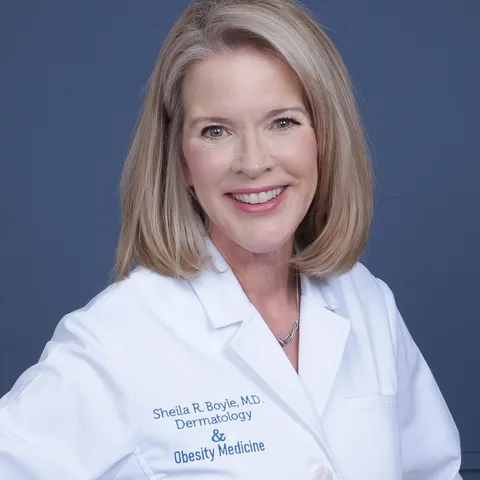
A solo direct-pay practice in Lone Tree whose stated scope is dermatology, cosmetic procedures and medically supervised weight management. The physician is board certified in dermatology and obesity medicine. Every initial visit is by video, with in-person follow-ups by appointment, and the practice does not bill insurance. Hormone replacement therapy is named only as one reason for a new-patient visit on the fee schedule, and no hormone or menopause care is described anywhere else on the site.
A physician-led longevity and performance practice based in Seattle, where the practitioner is medical director. Care begins with an in-person day in the Seattle area for baseline diagnostics, covering over a hundred biomarkers, body composition, cardiorespiratory fitness, continuous glucose monitoring, genomics and multi-cancer screening. It then moves to quarterly labs and structured medical reviews, with follow-ups virtual or in person. A women's track is described for perimenopause, menopause and after, with hormone and metabolic diagnostics and ongoing telehealth support, and physicians provide prescriptions and referrals as clinically appropriate.
Gliss Wellness is a virtual-only OB/GYN practice Dr. Walsh co-founded with a second board-certified OB/GYN, and menopause care is its main focus. Care starts with a 30-minute video consultation about your symptoms, and if hormone therapy suits you, you leave with prescriptions for the first three months. A follow-up at three months keeps refills going for the rest of the year, and refills in between happen by message through the patient portal. There is no membership, and you fill prescriptions at your own pharmacy. The doctors can't examine you in person but can order labs and other tests. Dr. Walsh's own interests include pelvic pain, endometriosis, fibroids and weight loss, and a free 15-minute call lets you meet the team before booking.
Beyer is a Midi clinical leader and sits on the company advisory board, and she still sees patients by video. She trained in obstetrics and gynaecology, then dropped obstetrics to work on gynaecology and hormonal health only. Weight is her second focus and she holds a diplomate from the American Board of Obesity Medicine. She talks openly about gaining weight before her 50th birthday and losing 35 pounds over five months, and she uses that with patients who are struggling. Care runs through Midi only, so visits are by video and anything needing an exam or imaging goes to an outside clinician. Her page has no booking link of her own, so the Midi sign-up does not let a new patient choose her by name.
Takes Blue Cross Blue Shield, UnitedHealthcare +15
Dr. Sato runs a small solo gynecology office in the Queen's Physicians Office Building in downtown Honolulu. Her menopause page offers both hormone and non-hormone treatment for symptoms, and her service list covers postmenopausal bleeding, genitourinary changes of menopause, bone density and postmenopausal sexual health. She keeps a general gynecology practice running alongside that, including contraception counseling with IUDs and implants, and evaluation of pelvic pain and endometriosis. She was born and raised in Hawaii and trained at the University of Hawaii medical school and its residency programs. Her own patients nominated her for the Ke Kauka Po'okela outstanding physician award. The office usually has same day appointments for urgent problems and offers Saturday appointments, and new patients start by sending a request form rather than booking online.
Dr. Ellingson is a family physician at Three Rivers Family Medicine, the rural health clinic attached to Three Rivers Hospital in Brewster. She has worked in North Central Washington since 2002, and for years that meant emergency shifts, deliveries, cesarean sections and hospital inpatients alongside clinic visits. She sees newborns through adults, and the hospital says she has found a niche in treating women through perimenopause and after menopause. On her clinician page at a Seattle menopause practice she describes ten years of working with women in perimenopause and postmenopause using bioidentical hormone therapy. She speaks Spanish fluently and has cared for a large Spanish speaking population her whole career. She is also the hospital's medical staff president and medical director of a children's foundation in Lesotho.
Winona is a virtual menopause practice that works entirely through secure messaging, with no video or phone appointments at all. Hormone therapy comes as body creams, vaginal creams, pills and patches, and most of it is compounded in two pharmacies Winona owns. The company says plainly that it does not prescribe testosterone and does not prescribe hormone pellets. Treatment is limited to women aged 35 to 59, so a woman older than that cannot be prescribed hormone therapy here. Brown is Winona's medical director and medical reviewer rather than one of its prescribing physicians, and she hosts the company podcast and monthly patient webinars. New patients join a queue and are matched with a doctor licensed in their state, so signing up does not let a patient choose her by name.