52 practitioners have an office in Iowa, and 58 more can see patients here by telehealth. 79 of them are certified by the Menopause Society, and the most are in Iowa City, Des Moines and West Des Moines.
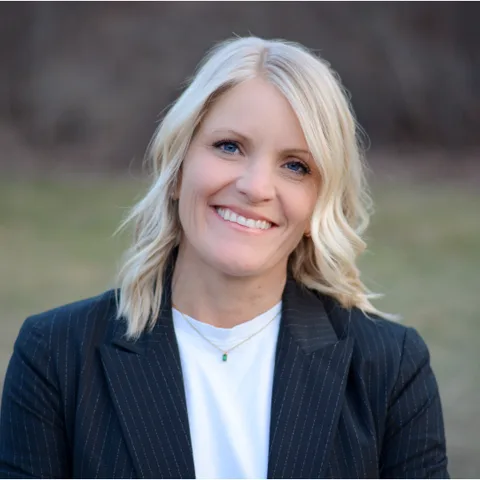
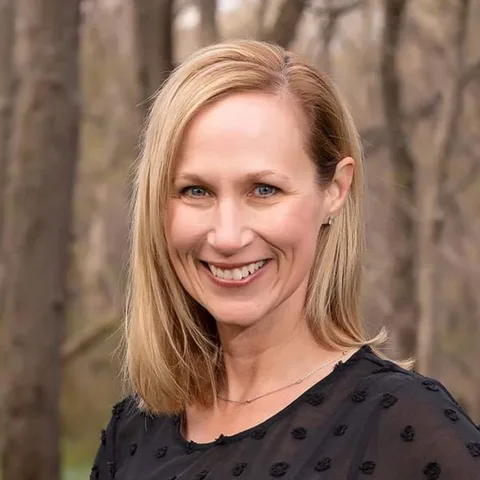
AlcheMe Health is a small Davenport practice for women in perimenopause and menopause, founded by nurse practitioner Kristin Everhart. Labs are ordered two weeks before the first visit, so the hour-long first consultation goes straight to your results and options. She prefers to start with FDA-approved hormones and compounds only when needed, and she does not offer pellets, which the practice calls invasive and not FDA-approved. She also starts one hormone at a time so you can tell what each one does, and offers low-dose testosterone for women. Medical weight management with in-office body scans is a big part of the practice, and GLP-1 medication can be part of that plan. The practice does not replace your primary care provider or gynecologist.
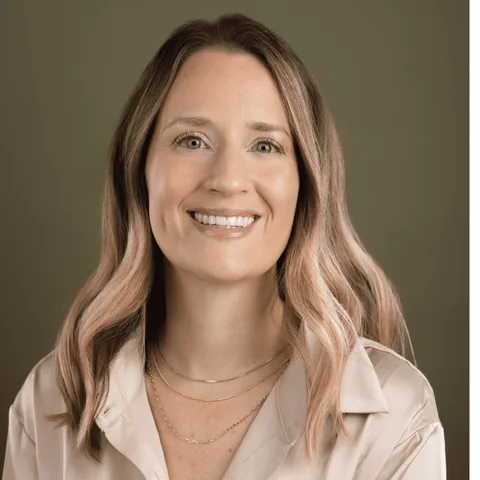
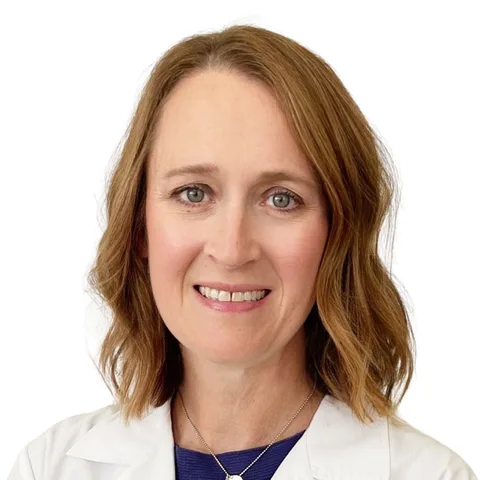
Kristine Groemping is a family nurse practitioner and former Navy officer who started out in labor and delivery nursing and later worked as a menopause specialist at Evernow. She founded this small cash-pay practice, which treats perimenopause and menopause along with weight management, thyroid conditions and low libido in women. She is openly against pellets, pricey supplements and frequent hormone lab testing, and follows Menopause Society guidelines for estrogen, progesterone and testosterone. Most care happens by video, with refills handled by video or secure message, and she also sees patients at an office in southwest Austin. New patients can request a first hormone, testosterone or weight consultation online, and the booking page also offers a free introductory call.
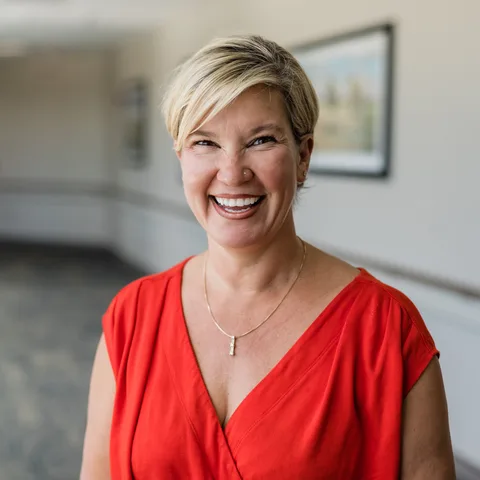
Dr. Moayedi is a Dallas OB/GYN who specializes in complex family planning and runs her own small practice. Her perimenopause and menopause care happens entirely by video, and she reviews your history and explains the science behind the treatment plan. Between visits you can text her directly with questions. Most patients need one or two follow-up visits to adjust doses, then a yearly visit to keep refills going. Prescriptions go to whatever pharmacy you choose. The practice doesn't take insurance, but it works with nonprofit funds to help Texas patients cover visit costs.
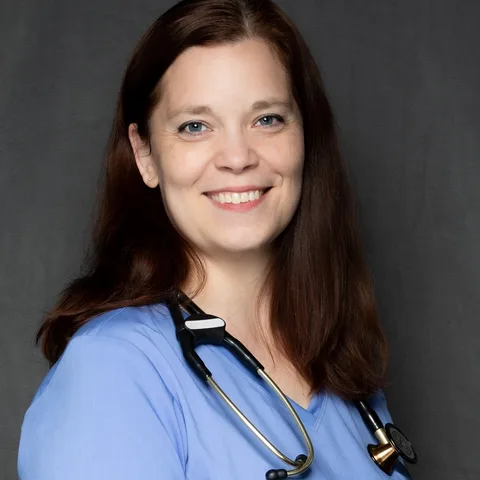
Prévant Health is Erin Phamvan's own virtual practice, and every visit happens by video. It runs as a 12-month membership with a long first visit, quarterly follow-ups, and texting with Erin between visits. Menopause care is built around detailed lab work and shared decisions about hormones, alongside thyroid, heart and metabolic care. She is also trained in an Alzheimer's prevention program and folds brain-health risk into her plans. Although the mailing address is in Nashville, the practice currently sees patients only in a set of other states, and Tennessee is not one of them. You keep your own primary care provider for in-person exams and urgent needs.
Concierge Medicine of Minnesota is a membership practice in Apple Valley where Dr. Westmoreland is the only doctor. One annual fee covers office visits, video and phone appointments, and direct messaging with her, and she guarantees same or next-day scheduling. New patients start with a free meet and greet, then sign a membership agreement, and the staff gathers their old records before the first full exam. Menopause and perimenopause care is her own work, and she treats hormone therapy as one option to weigh against a patient's history rather than something she starts by default. The practice says it does not use compounded medications, citing thin scientific backing and possible risks. Women who would rather not join can pay for a single two-hour consultation with her instead, and members can have her come to the house for an extra fee.
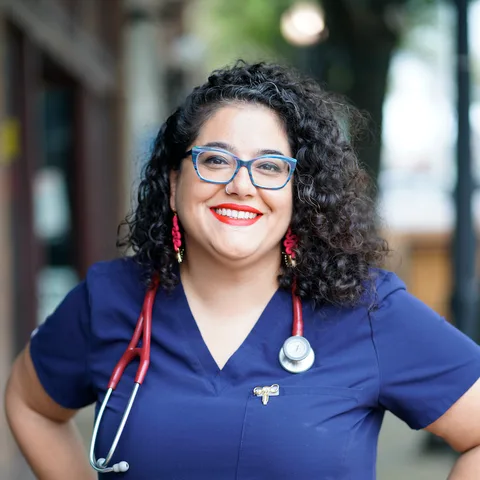
Gisele Thissen runs WISH on her own as a fully virtual practice, so every visit happens by video and there is no office to walk into. Every new patient starts with the same long one-on-one assessment, which runs about an hour and covers symptoms, history, medications and previous treatment before anything is decided. She prescribes hormone therapy and women's testosterone where it fits the history, and she treats thyroid problems, metabolic and weight concerns, and sexual health complaints alongside the menopause transition. After the assessment she recommends either a six month course of care called Reclaim or a twelve month concierge year, and neither is required. She spent over a decade as a bedside nurse in obstetrics before moving into private practice, and she sees patients in Spanish as well as English. When an exam, imaging or a specialist is needed she helps arrange it locally and brings the findings back into the plan.
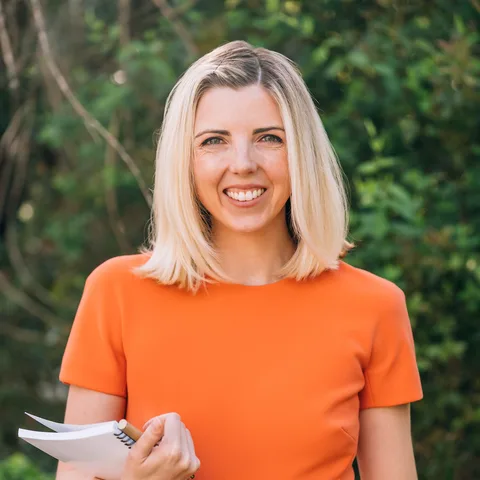
Diana Kumar is a board certified OB-GYN who co-founded Gliss Wellness, a virtual practice built around perimenopause and menopause. All care happens by video and secure messaging, so there is no office to visit. A menopause visit runs about 30 minutes and ends with a plan and prescriptions for an initial three month period, followed by a check-in visit before refills continue for the rest of the year. She prescribes hormone therapy when it fits, can order labs and scans, and sends prescriptions to the patient's own pharmacy. She also sees women for weight counseling and for urgent gynecology problems handled through a short written form. Her stated areas of interest are PCOS, sexual dysfunction, bone health and longevity medicine.
Gretchen Dutcher sees patients through Midi Health, a national virtual menopause clinic that works by video only. She became a nurse practitioner in 2021 but has worked in women's health since 2014, in gynecology, urology and postpartum care. She says education is what she enjoys most about menopause care, and she wants women to understand what is happening in their bodies and to feel less stigma about midlife changes. She describes her approach as a partnership and says she meets each patient where she is. New patients can book with her by name through her own Midi page. Midi does not do in-person exams, so anything needing a physical exam or imaging is referred out.
Dr. Bartlett Hackenmiller is a gynecologist who trained in integrative medicine under Andrew Weil and now sees menopause, menstrual, fertility and pelvic floor concerns. She works through MercyOne OB-Gyn in Waterloo and HonorHealth Integrative Medicine in Scottsdale, and she sees many patients by video. She prescribes bioidentical hormones and uses transdermal estrogen rather than pills. She also leans on herbs, diet and mind-body work, and she has written about helping women who can't take hormones. She is a clinical herbalist and a certified forest therapy guide, and her own life, including raising a son with autism and losing her first husband to cancer, shapes how she practices.
The Group has been practicing in the Quad Cities since 1978 and is an obstetrics and gynecology practice, with its main office in Davenport and a second in Clinton open on Wednesdays. Eight physicians work alongside midwives, nurse practitioners and physician assistants, and Barclay joined in 2006. On the gynecology side the practice handles perimenopause and menopausal symptoms, and also bleeding after menopause and urinary incontinence. Bone density screening and pelvic floor therapy are done in the office, so a woman worried about her bones or her bladder can be seen in one place. Care is in person only, and a new patient either calls or sends the appointment request form, after which the office rings back to confirm details before anything is booked. The site never names a hormone treatment, so what she prescribes for menopause is not published.
Amy Bingaman is a gynecologist who sees patients at a clinic in West Des Moines and at women's health clinics inside five small Iowa hospitals. She provides full spectrum gynecologic care and lists perimenopause and menopausal care among her main professional interests, along with bioidentical hormone replacement therapy. She spent 8.5 years in the Navy, where she did her OB/GYN internship and residency, then returned to Iowa about 15 years ago. A large part of her public profile is speaking work, including a menopause talk called Hot Flashes and Hot Takes. New patients can book an OB/GYN visit online for the West Des Moines clinic, and the hospital clinics take appointments by phone, with one stating that no referral is needed. Her own website is built around the speaking side of her work, so it says nothing about what a visit costs or how care is run.
Terrilee Jackel founded this small Ankeny practice, which combines primary care with hormone therapy for women and men, and she can also be your regular primary care provider. New patients start with a discovery visit, a group appointment where the team takes your history and draws labs, followed by an optional talk about women's health and hormones. A longer one-on-one visit follows to go over your results and leave with a treatment plan and prescriptions. Insurance covers basic visits, but hormone therapy requires the practice's paid membership. She has prescribed hormone therapy since 2017 and uses plant-derived bioidentical hormones. Follow-ups can be done by video for patients in Iowa.
Allie Theiss is a menopause coach, not a licensed clinician, and she does not prescribe. The main service is a private three or six month coaching program on her own six-part framework, covering nutrition, supplements, flower essences, sleep and stress, intimacy and energy. Smaller options are a one-off audit with a recorded video review, and single paid sessions by Zoom, phone or in person in Akron. She writes that hormone therapy was not an option in her own menopause, and the program's answer to hormonal symptoms is supplements, flower essences and lifestyle change rather than medical treatment. When checked, the online calendars for the paid sessions showed no open times and were not taking payment, so the audit and the coaching program were the open ways to start.
ThriveWellMD is a telehealth practice run by Dr. Nicole Perrotte, an internal medicine physician with added training in lifestyle and obesity medicine who is also a certified health coach. Care starts with a two-part video assessment, with a 60-minute intake, a full lab panel and then a second 60-minute visit to go over the results and a written plan. Patients then move into monthly phases for hormones, metabolism and weight, or sexual health, with app messaging between visits. The hormone phase includes bioidentical hormone therapy made by outside compounding pharmacies. She built the practice after her own burnout, fatigue and weight gain, and it does not replace a primary care doctor.
Christine Hart Kress runs her own small menopause practice as a women's health nurse practitioner. New patients start with a short virtual menopause diagnostic call booked online. Visits are by video, and the only appointment she offers online is virtual. She has a doctorate in nursing and a long background in nursing leadership as well as clinical care.
Kim Heifner runs a small virtual menopause practice and handles her own patient panel with no assistants. She spent 26 years in acute care, much of it in emergency medicine, before her own perimenopause pushed her into menopause care. Care is a concierge membership with a six-month minimum. It starts with an hour-long first visit and a follow-up about a month later to go over labs, then regular check-ins while doses are adjusted and quarterly visits once things are stable, with direct messaging in between. She pays close attention to heart and bone risk and also treats vaginal dryness, low desire and urinary leakage with hormonal and non-hormonal options. Women outside Missouri and Iowa can book a one-time education consult with her, but it comes without prescriptions.
Jackie Stone, MD sees women entirely by telehealth, in a practice she runs alone. She is board certified in obstetrics and gynecology and in obesity medicine, and treats perimenopause, menopause and primary ovarian insufficiency alongside PCOS, genitourinary symptoms, sexual wellness, and skin and hair changes. First visits run a full hour and cover past records, labs and a treatment plan. Ongoing care is by monthly membership or visit by visit, with direct messaging for members.
Viva Wellness is Liliana Damron's solo telehealth practice, so the first visit and the follow-ups are with her. She covers perimenopause and menopause, testosterone, medical weight management and minor sick visits, all by video. Her starting point is history and goals, and she orders labs when a test can answer a question rather than running a hormone panel on everyone. She will not prescribe hormone therapy as a weight-loss treatment and says midlife weight change needs its own evaluation. Compounded hormones are an option only when an FDA-approved product cannot meet a documented need, and the site repeats that compounded drugs are not FDA-approved. She came to this after years in geriatric care, which she says made her want people to ask these questions earlier.
Samantha Cunningham runs a solo practice that goes by My Elevated Wellness and also trades as Menopause Omaha. She treats women through perimenopause and menopause, and the only appointment she publishes is a fifty minute initial consultation for midlife care, booked as an office visit. She also sees patients by video in South Dakota, Nebraska, Iowa and Kansas. A first visit goes through symptom history, menstrual cycle, diet and exercise before any hormone plan is settled. For hormones she names local treatment such as vaginal estrogen alongside systemic treatment such as patches, testosterone and oral progesterone. She writes that her own passage through menopause shaped how she listens to patients, and she publishes a steady run of her own clinical articles on subjects like primary ovarian insufficiency and genitourinary syndrome of menopause.
Kristen Loose is the menopause specialist at Dr. Gina Mantor's medical spa and weight clinic in Westerville, where the rest of the practice focuses on aesthetics and weight loss. She treats perimenopause and menopause with standard hormone therapy, and offers non-hormonal prescriptions and lifestyle advice to women who can't or would rather not take hormones. The first consultation is free and happens by video. After that she sees patients in the office on Wednesdays and Saturdays or by appointment. She follows Menopause Society guidance closely and writes on the clinic's site that soy and black cohosh don't hold up for hot flashes.
Dana Johnson is a registered nurse who spent about 20 years in the ICU before founding Qavah Functional Wellness, a telehealth-only practice. She started it after her own Long COVID turned into autoimmune and gut problems and then a hard menopause transition. Hormone therapy is offered to Alabama residents only, while the lab and gut health services also reach a few other southern states. Each hormone plan starts with lab work and a consultation, and bioidentical hormones come as creams, gels, pills, troches or injections. Prescriptions are written by the practice's licensed providers rather than by Dana, who is a nurse. New patients start with an online consultation request, and the team calls back within one business day.
Optiml is a new practice in Winter Park run by Amber Braithwaite, a nurse practitioner, and it opens in December 2026. It will offer hormone therapy, metabolic care and what it calls healthspan medicine, aimed at people who were told their labs were normal but still don't feel right. Until it opens, the only way in is a waitlist form on its website, and the practice says it will contact people as places open up. Its full website, including prices and details of how care works, is not live yet.
Orama Wellness is an online psychology practice that Linda Kondilis founded in Atlanta after years of work in reproductive mental health. Care here is talk therapy rather than medical care, and nobody on the team prescribes hormones or orders labs. The perimenopause service is about coping with sleep trouble, anxiety, brain fog, pain and changes in sex and relationships. Most of the practice is fertility and third party reproduction work, with cancer support and couples counseling alongside it. New clients request a first appointment through the practice's booking portal, and she offers a free phone consultation before starting.
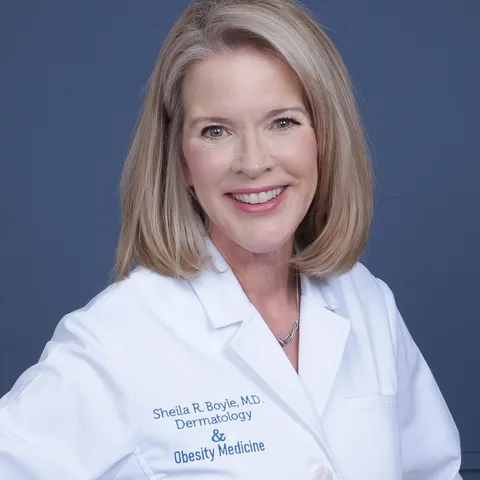
A solo direct-pay practice in Lone Tree whose stated scope is dermatology, cosmetic procedures and medically supervised weight management. The physician is board certified in dermatology and obesity medicine. Every initial visit is by video, with in-person follow-ups by appointment, and the practice does not bill insurance. Hormone replacement therapy is named only as one reason for a new-patient visit on the fee schedule, and no hormone or menopause care is described anywhere else on the site.