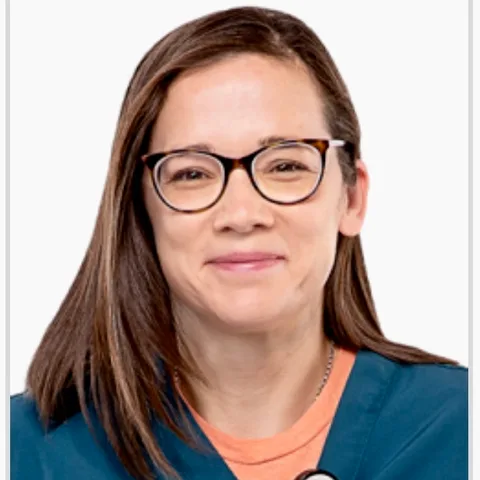
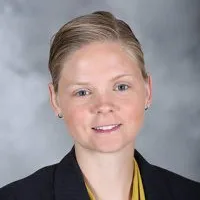
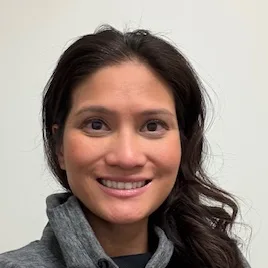
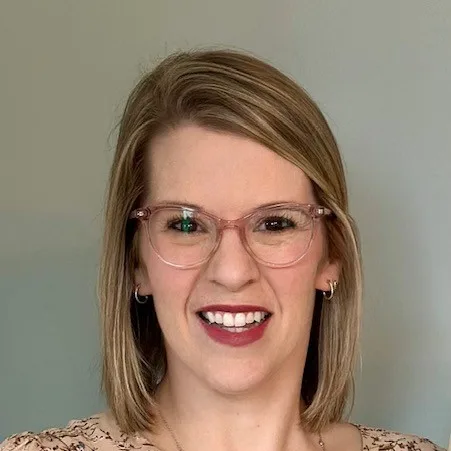
82 practitioners have an office in Indiana, and 70 more can see patients here by telehealth. 107 of them are certified by the Menopause Society, and the most are in Indianapolis, Carmel and Westfield.
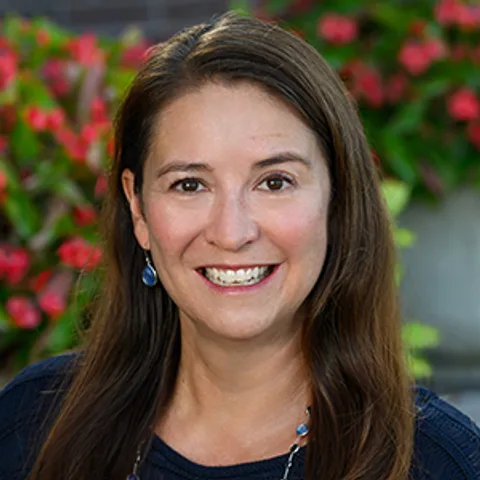
Beyer is a Midi clinical leader and sits on the company advisory board, and she still sees patients by video. She trained in obstetrics and gynaecology, then dropped obstetrics to work on gynaecology and hormonal health only. Weight is her second focus and she holds a diplomate from the American Board of Obesity Medicine. She talks openly about gaining weight before her 50th birthday and losing 35 pounds over five months, and she uses that with patients who are struggling. Care runs through Midi only, so visits are by video and anything needing an exam or imaging goes to an outside clinician. Her page has no booking link of her own, so the Midi sign-up does not let a new patient choose her by name.
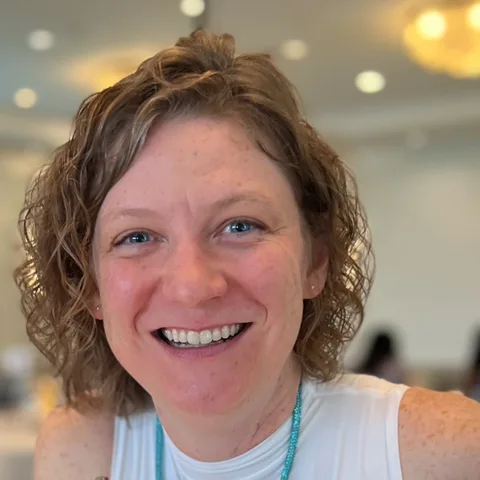
Claire Walker founded Candescent Health and Wellness in South Bend and runs it as a women's health practice for the Michiana area. She is a nurse midwife and says she went into midwifery to get patients taking an active role in their own healthcare. Menopause and perimenopause care sits alongside gynecology, sexual health, urinary incontinence treatment and medical weight loss, so one visit can cover more than one of those. Pelvic exams are done with trauma informed care, and consent is checked at each step of the exam. Her stance on hormones is open, and the practice says most patients are candidates for hormone replacement even with a personal or family history of cancer. The clinic runs a monthly menopause support group for patients and their partners, and appointments can be in person or by video.
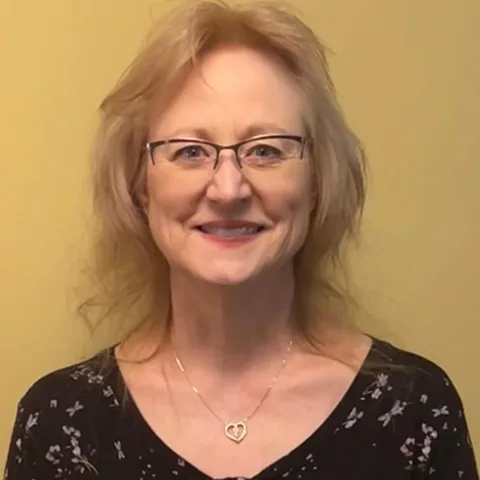
Online Benign Gyne is Dr. Todd's own telehealth practice, and every visit happens by video. She sees women for contraception, breast concerns, vaginal and vulva problems, menopause and facial skin care, and consultations and referrals are part of what she offers. Her site carries long plain-language explainers on hormone therapy, PCOS, urinary infections and breast exams. She is a New Orleans native and a military veteran who served during Operation Desert Storm and later at Walter Reed Medical Center. She says she especially enjoys caring for older women because she has faced the same changes herself. New patients can pick a video slot through the practice's own online scheduler.
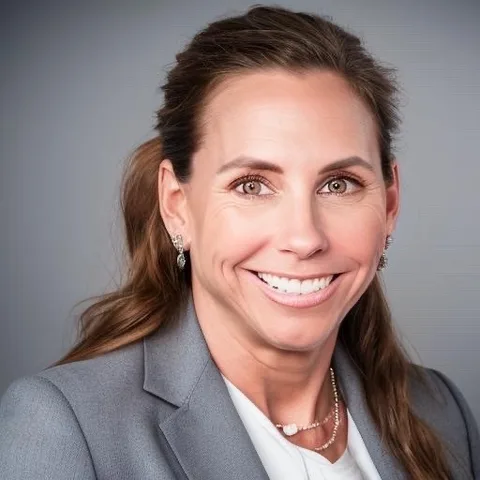
Suzanne Trupin is the only physician at Women's Health Practice in Champaign, where she is the medical director and owner and works alongside one nurse practitioner plus a team of aesthetic and administrative staff. The practice homepage bills her as an OB/GYN specializing in gynecology, hormone balance and medical weight loss, and the practice says it has taken part in more than 100 clinical trials over 30 years. Hormone care runs mainly through BioTe compounded pellet therapy, offered alongside creams, patches and pills, and for vaginal dryness and painful sex the practice also prescribes topical vaginal estrogen, DHEA cream or testosterone. She offers two in-office energy treatments of the vagina, the MonaLisa Touch carbon dioxide laser and ThermiVa radiofrequency, and the practice says it was the first in Central Illinois to bring the laser to the area. The practice is unusually direct about its limits, telling readers plainly that it does not offer gynecologic surgery and will refer out, and that labiaplasty is a consultation ending in a referral to a plastic surgeon. Weight and bladder care are run as their own service lines, with prescription weight loss medication on one side and the Emsella chair and bladder medication on the other.
Dr. Dombo is a board-certified OB-GYN who is going through the menopausal transition herself. She says starting hormone therapy and changing her nutrition and supplements took her from exhaustion and poor sleep back to enjoying life, and that is why she does this work. She trained in the early 2000s, when hormone therapy was widely feared, and now calls it the gold standard for symptom relief. The first visit runs 60 minutes and covers medical and gynecologic history, medications, nutrition and exercise, then a personal treatment plan. The visit also lists a nutritionist assessment, an exercise plan and mindset coaching, and follow-ups run 25 minutes. She writes publicly about why menopause hits Black women harder and how often they face barriers to care.
Winston is a board certified obstetrician gynaecologist at Boston Medical Center. She sees patients at two sites, the main Boston campus on Harrison Avenue and BMC Brighton. Her hospital listing places her in obstetrics and gynaecology along with labour, delivery and postpartum care, so her published work includes deliveries and not only office gynaecology. Boston Medical Center publishes nothing about menopause, perimenopause or hormone therapy for her, and her profile carries no specialties list at all, while a colleague at the same Harrison Avenue office does list menopause. Her menopause certification from The Menopause Society is current, but her employer's site gives no sign that she offers menopause care. She trained in obstetrics and gynaecology at Marshall University in West Virginia after earning her osteopathic degree in Tennessee.