Menopause Specialists Who Accept Medicare in Kansas
43 practitioners have an office in Kansas, and 71 more can see patients here by telehealth. 69 of them are certified by the Menopause Society, and the most are in Kansas City, Overland Park and Topeka.
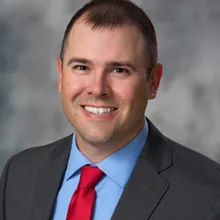
Dusty Swendson is a board certified internal medicine physician at COMCARE Ohio, a primary care clinic that is part of Salina Regional Health Center. COMCARE calls itself one of the larger family practice clinics in the region and says it has twenty physicians across its Salina offices. Her page on the clinic site lists her training and her board certification and nothing else, and no provider at COMCARE gets a clinical interests or services section. Nothing COMCARE or the health system publishes names menopause care or hormone therapy for her or for any of her colleagues. New patients start with an online registration form on the health system site, and the clinic is listed as offering video visits under a service it calls vCare. She trained at Kansas City University of Medicine and Biosciences and did her undergraduate work in Salina at Kansas Wesleyan University.
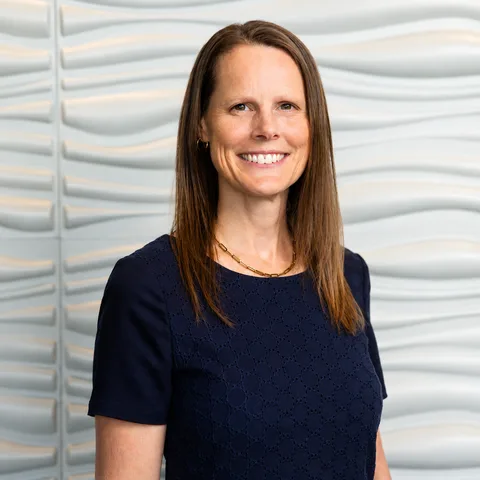
Johnson County OB/GYN is a long-running women's health group in the Kansas City suburbs with seven clinicians and a full-service lab in its own building. Dr. Cooper sees women across the whole range of gynecologic care, from adolescent visits through pregnancy and menopause. Her bio says she is deeply committed to supporting women through the menopause transition, and she frames her work around wellness and quality of life in every decade. She also does vNOTES hysterectomies, a vaginal approach that avoids abdominal incisions and shortens recovery. Appointments are set up by phone, and new patients complete pre-registration through a text and email link before they arrive. Some physicians in the group keep appointment slots before and after regular office hours.
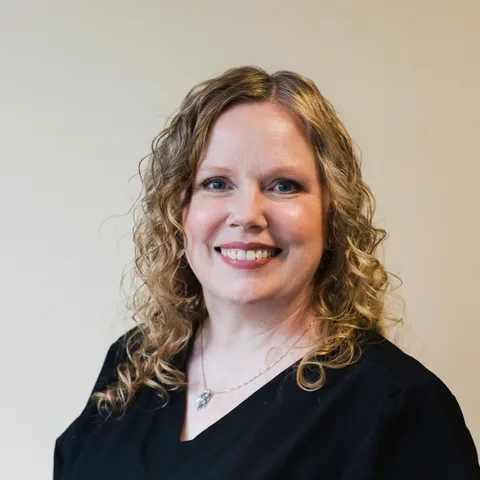
Dr. Green runs a gynecology-only practice in the Northland of Kansas City, so her clinic days are never cut short by deliveries. She treats perimenopause and menopause with FDA-approved hormone therapy, including bioidentical options, and offers non-hormonal medicines for women who can't or don't want to take hormones. You can bring up hormone therapy at your first visit, but a Pap smear or pelvic exam is booked as a separate visit because of how insurance covers it. She also runs menopause group visits where you are welcome to bring a friend, and follow-ups and lab reviews can happen by video. She is a gynecologic surgeon too, so the same doctor can manage fibroids or a hysterectomy if it comes to that.
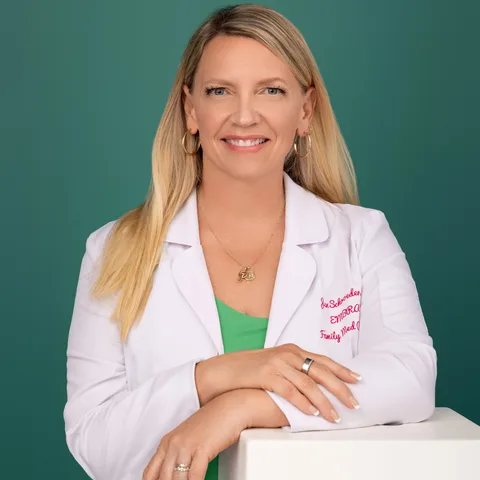
Angela Jones handles menopause and hormone care at Phase II Center for Women's Health, a gynecology and pelvic health clinic in Millcreek run by an all-female team. The clinic does no obstetrics, so appointments are not bumped for deliveries. Before moving into women's health she worked in emergency medicine and critical care. She prescribes both bioidentical and conventional hormone therapy, offers non-hormonal options, and keeps an eye on bone and heart health after menopause. She also covers routine gynecology like annual exams and contraception, and a gynecologic surgeon in the same office sees bladder and prolapse problems. The clinic bills insurance, and visits are booked by phone.
Optimal Health and Wellness is a small Leawood practice that runs primary care alongside hormone therapy, weight loss and a medical spa. Amanda Woodworth is board certified in both family practice and women's health, and her stated interests are bioidentical hormone replacement, weight loss and functional thyroid management. Hormone care starts with a full evaluation and lab work, then usually runs on either every-other-week injections or pellets inserted in the office that last three to four months. The women's health side also covers endometrial biopsies, IUD and Nexplanon placement, and treatment for vaginal dryness and mild urinary incontinence. Thyroid patients can be put on compounded or desiccated thyroid medication when standard tablets do not suit them. New patients fill in a form and a patient care coordinator rings them back to book, and a deposit holds the slot.
Carrie Wieneke Broghammer is a general obstetrician gynecologist at The University of Kansas Health System, where she chairs the OB/GYN department. The department runs a midlife program called Menopause, Intimacy and Midlife Transition, and its menopause care includes hormone therapy. Her own profile describes the breadth of obstetrics and gynecology rather than a menopause-only practice. She came to KU in 2008 and started its minimally invasive gynecology program, so gynecologic surgery is a real part of her work. Her bio says she wants patients to understand their options and play a part in their own care, and she sees teens, adults and adults over 65. Visits are at two locations on the Kansas City campus, video visits are available, and a new patient starts by sending an appointment request and waiting for a scheduler to call back.