39 practitioners have an office in Maine, and 65 more can see patients here by telehealth. 68 of them are certified by the Menopause Society, and the most are in Portland, Scarborough and Freeport.
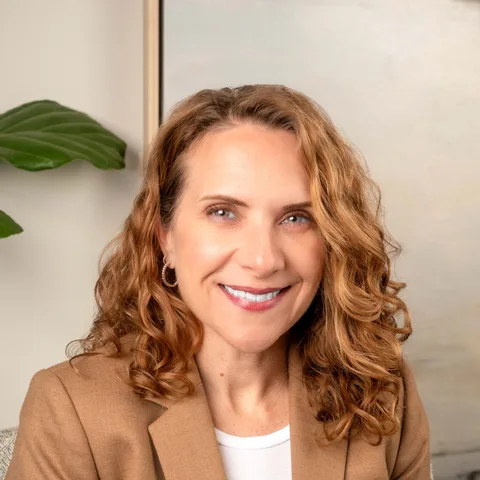
Orama Wellness is an online psychology practice that Linda Kondilis founded in Atlanta after years of work in reproductive mental health. Care here is talk therapy rather than medical care, and nobody on the team prescribes hormones or orders labs. The perimenopause service is about coping with sleep trouble, anxiety, brain fog, pain and changes in sex and relationships. Most of the practice is fertility and third party reproduction work, with cancer support and couples counseling alongside it. New clients request a first appointment through the practice's booking portal, and she offers a free phone consultation before starting.
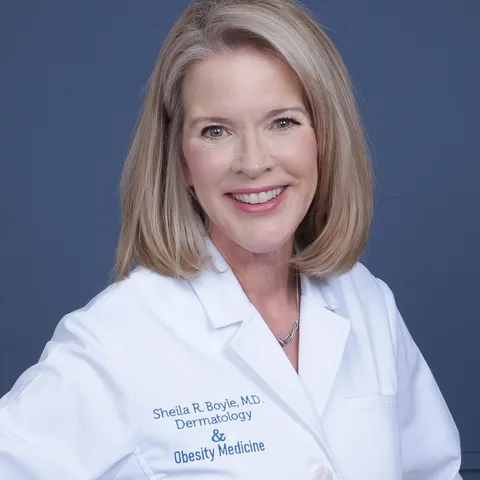
A solo direct-pay practice in Lone Tree whose stated scope is dermatology, cosmetic procedures and medically supervised weight management. The physician is board certified in dermatology and obesity medicine. Every initial visit is by video, with in-person follow-ups by appointment, and the practice does not bill insurance. Hormone replacement therapy is named only as one reason for a new-patient visit on the fee schedule, and no hormone or menopause care is described anywhere else on the site.
Wellness for Women is a gynecology practice in Kennebunk that Dr. Dries owns, and she sees patients alongside a second clinician, Jamie Osgood Wendt, DNP. Her menopause page says she provides individualized care for hot flashes, night sweats, mood changes, difficulty sleeping, vaginal dryness, pain with sex and weight gain, and it names her Menopause Society practitioner certification. The site never mentions hormone therapy or any named medication, so what she prescribes is not published anywhere a reader can see it. For vaginal dryness and painful intercourse she offers FemiLift, a CO2 laser she invites patients to discuss with her in a complimentary consultation. Bladder trouble has its own section of the site, with an Emsella chair offered for leaking, and she uses osteopathic manipulation for pelvic and vaginal pain. New patients cannot get in for routine gynecology at the moment, but the practice is still taking menopause consults from women whose primary care doctor refers them.
Susan Kamin spent years as a hospital and clinic midwife and attended over 1,000 births before turning toward menopause and sexual health care. Lifecycle Women's Health is a one-person office in a small cottage in Brunswick, and visits run long, with an hour for a first visit and 75 minutes for a menopause consultation. Care covers the perimenopause and menopause transition alongside a separate sexuality counseling service, and Kamin holds a sexuality counselor certificate on top of midwifery and nurse practitioner training. The practice describes supporting patients with healthy lifestyle changes, nutrients and supplements, lab testing and prescribed medication when it is needed. Kamin says plainly that the practice does not do primary care and does not look after people during pregnancy, but keeps referrals for anyone who needs maternity care. New patients start by calling the office, because the online scheduler is open to established patients only.
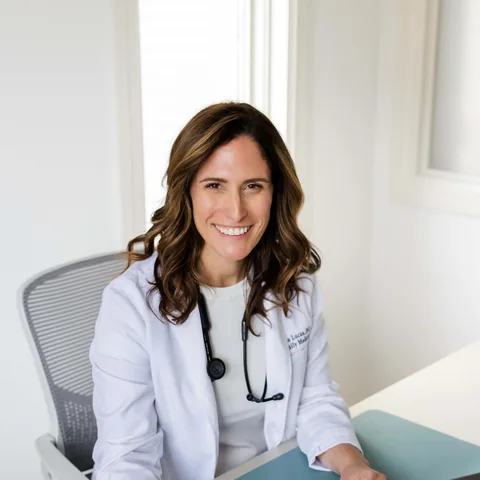
Dr. Anyaoku founded Hibiscus Aesthetics and Wellness in Katy and is the only clinician there. Hormone care starts with a wide lab panel rather than a symptom questionnaire, and she orders markers like free T3, DHEA-S and fasting insulin that a standard physical skips. She prescribes bioidentical hormones as patches, creams, injections or pills, and no page on the site mentions pellets. She is also a diplomate of the American Board of Obesity Medicine, so weight and hormone questions get handled in the same visit. Aesthetic treatments happen in person at the Katy clinic, while hormone, weight and longevity care can be done by video in 23 states. You pay per visit and there is no membership or package.
Gliss Wellness is a virtual-only OB/GYN practice Dr. Walsh co-founded with a second board-certified OB/GYN, and menopause care is its main focus. Care starts with a 30-minute video consultation about your symptoms, and if hormone therapy suits you, you leave with prescriptions for the first three months. A follow-up at three months keeps refills going for the rest of the year, and refills in between happen by message through the patient portal. There is no membership, and you fill prescriptions at your own pharmacy. The doctors can't examine you in person but can order labs and other tests. Dr. Walsh's own interests include pelvic pain, endometriosis, fibroids and weight loss, and a free 15-minute call lets you meet the team before booking.
Beyer is a Midi clinical leader and sits on the company advisory board, and she still sees patients by video. She trained in obstetrics and gynaecology, then dropped obstetrics to work on gynaecology and hormonal health only. Weight is her second focus and she holds a diplomate from the American Board of Obesity Medicine. She talks openly about gaining weight before her 50th birthday and losing 35 pounds over five months, and she uses that with patients who are struggling. Care runs through Midi only, so visits are by video and anything needing an exam or imaging goes to an outside clinician. Her page has no booking link of her own, so the Midi sign-up does not let a new patient choose her by name.
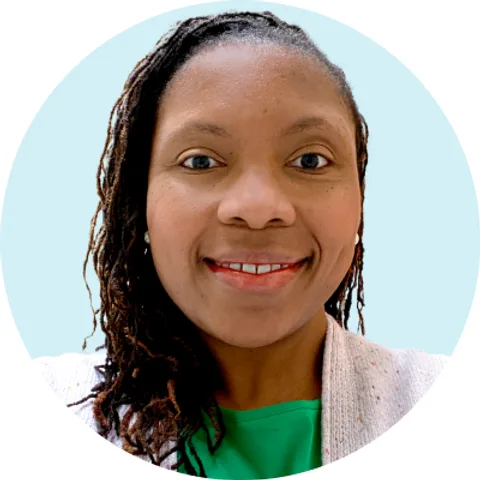
Dr. Dombo is a board-certified OB-GYN who is going through the menopausal transition herself. She says starting hormone therapy and changing her nutrition and supplements took her from exhaustion and poor sleep back to enjoying life, and that is why she does this work. She trained in the early 2000s, when hormone therapy was widely feared, and now calls it the gold standard for symptom relief. The first visit runs 60 minutes and covers medical and gynecologic history, medications, nutrition and exercise, then a personal treatment plan. The visit also lists a nutritionist assessment, an exercise plan and mindset coaching, and follow-ups run 25 minutes. She writes publicly about why menopause hits Black women harder and how often they face barriers to care.
Lori Pigeon runs this small Canton practice for women and men in midlife, after nearly 30 years as a nurse practitioner in traditional medicine. She started it after her own late 40s, when the avid cyclist who rode 100 miles at a time found her energy gone and struggled to get answers. Every new patient starts with a long consult, and she recommends the simplest level of care that fits, from a hormone plan on its own up to a coached program. She prescribes bioidentical estrogen and progesterone and considers testosterone for some women, mainly for low desire. Weight loss with GLP-1 medication is a big part of the practice, and she is openly skeptical of peptides and supplement hype. Visits are in person or by video, including for patients in Maine, and new patients currently join a waitlist.
Dr. Wax is a family physician who runs a small direct primary care practice in York with a nurse practitioner who is also Menopause Society certified. Menopause care works as its own program, so you do not need to join the primary care practice to get it. It starts with a long first visit covering your symptoms, history and goals, and you leave with a plan for hormone or non-hormone treatment. The next six months are a membership with three follow-up visits, labs and unlimited messaging while the dose gets adjusted. After that you can stay on a lighter maintenance plan or be handed back to your own doctor or gynecologist with a written summary. Patients reach the team by text rather than through a phone tree.
She is one of about fifteen clinicians at MaineHealth's Congress Street office in Portland, a hospital department that also houses maternal fetal medicine and used to be called MMP Women's Health. She sees patients at MaineHealth's Bramhall Street OB/GYN clinic on the same Portland campus as well. MaineHealth lists perimenopause and menopause treatment among the gynecology care these offices provide, so a menopause visit here sits inside general OB/GYN care rather than a separate menopause program. She finished her residency at Maine Medical Center and then went back for a public health degree at Harvard, and she now also covers MaineHealth's Pen Bay and Waldo hospitals up the coast. Visits are arranged by calling the office on weekdays, and MaineHealth patients use the MyChart portal for messages and bills. MaineHealth publishes no bio for her and says nothing about how she uses hormones, so her own approach is not described on the site.
Luke Roberts is an obstetrician and gynecologist in the MaineHealth group, which runs offices across Maine. He sees patients at the group's Portland office on Bramhall Street, listed as his primary office, and at its Scarborough office. The practice covers routine gynecology exams, preventive screening, birth control and sexual health, pregnancy and birth, and menopause and healthy aging. MaineHealth's menopause pages name both of the offices he works from and describe care for hot flashes, sleep trouble, mood changes and vaginal dryness. For hormone therapy the group describes estrogen, progesterone or a combination, weighs the risks with each patient, and advises the lowest effective dose. Bone loss after menopause is treated as part of the same care, and visits, messages and test results run through the MyChart patient portal.
Carolyn Bernstein is a headache neurologist at the Osher Center for Integrative Health in Chestnut Hill, which is the Brigham's integrative medicine clinic. The Mass General Brigham profile describes a practice built on migraine and headache disorders, backed by a subspecialty certification in headache medicine. The profile lists membership of the North American Menopause Society and names hormonal headache among stated interests, but no page Mass General Brigham publishes describes menopause care or hormone therapy as care delivered here. The clinic's own service list runs to acupuncture, chiropractic care, massage, mindfulness training, health coaching and neurological conditions with headache called out, and names no menopause or hormone care at all. The Brigham's menopause programme sits in a different suite of the same building and is staffed from gynecology and endocrinology. Bernstein wrote The Migraine Brain and teaches neurology residents and Harvard medical students.