191 practitioners have an office in Michigan, and 79 more can see patients here by telehealth. 194 of them are certified by the Menopause Society, and the most are in Grand Rapids, Ann Arbor and Holland.
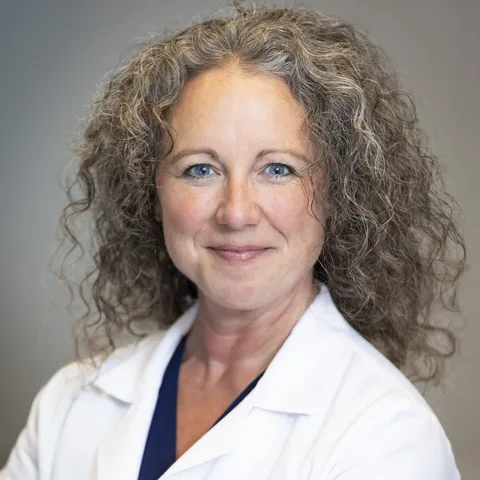
Dr. Dombo is a board-certified OB-GYN who is going through the menopausal transition herself. She says starting hormone therapy and changing her nutrition and supplements took her from exhaustion and poor sleep back to enjoying life, and that is why she does this work. She trained in the early 2000s, when hormone therapy was widely feared, and now calls it the gold standard for symptom relief. The first visit runs 60 minutes and covers medical and gynecologic history, medications, nutrition and exercise, then a personal treatment plan. The visit also lists a nutritionist assessment, an exercise plan and mindset coaching, and follow-ups run 25 minutes. She writes publicly about why menopause hits Black women harder and how often they face barriers to care.
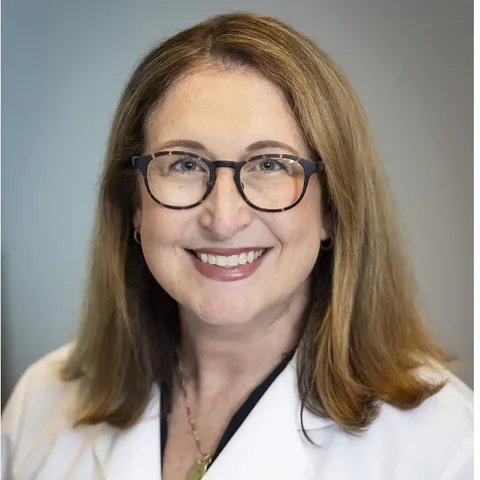
Winona is a virtual menopause practice that works entirely through secure messaging, with no video or phone appointments at all. Hormone therapy comes as body creams, vaginal creams, pills and patches, and most of it is compounded in two pharmacies Winona owns. The company says plainly that it does not prescribe testosterone and does not prescribe hormone pellets. Treatment is limited to women aged 35 to 59, so a woman older than that cannot be prescribed hormone therapy here. Brown is Winona's medical director and medical reviewer rather than one of its prescribing physicians, and she hosts the company podcast and monthly patient webinars. New patients join a queue and are matched with a doctor licensed in their state, so signing up does not let a patient choose her by name.
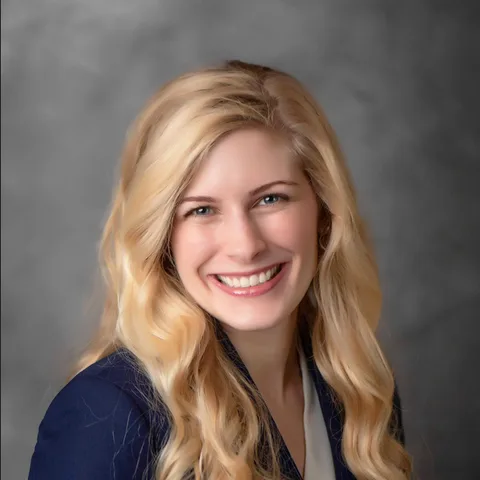
Kasianchuk is a registered dietitian at Gennev, a virtual menopause clinic, so her work is nutrition and lifestyle counseling rather than prescribing. Gennev's doctors handle medication and hormone therapy, and she works alongside them with shared notes in the patient record. Her own page names weight management, bone health and cardiovascular health as her areas, along with sports nutrition and exercise physiology. A first visit with her runs 50 to 55 minutes and follow-ups run 30 to 40 minutes, usually every two or three weeks for at least three months, with text support in between. She also runs Gennev's lifestyle care program as its senior director of lifestyle care. Gennev's weight management track starts with the dietitian rather than the doctor and you can self-refer into it, while nutrition care in the general menopause track comes as a referral from your first doctor visit.
OBGYN Associates of Marquette is a seven provider group that takes care of women across Michigan's Upper Peninsula. Dr. Pond grew up in Marquette, trained at Michigan State and completed a residency in Ann Arbor, then joined the practice in 2006. The group covers general gynecology alongside obstetrics, and the gynecology page names menopause and hormone therapy, including hormone replacement therapy, among the services provided. The board certified physicians hold surgical privileges at the hospital in Marquette, so office care and surgery stay with the same team. The office publishes two menopause questionnaires that patients can print and bring to a visit. Appointments are booked by phone and the patient portal is meant for people already in the practice.
TCC Family Health is a community health center group with thirteen sites around Long Beach and the surrounding area, and it has been running since 1939. The name is misleading. It started with children but now sees patients of every age, and its services include OB/GYN care, family planning and menopause care alongside adult and senior medicine. The Bellflower health center is one of its sites. Care is open to anyone and the group says no one is turned away because they cannot pay, with a sliding fee discount for the uninsured. New patients start by calling the appointment line or walking into any location, and video and phone visits are available.
Winston is a board certified obstetrician gynaecologist at Boston Medical Center. She sees patients at two sites, the main Boston campus on Harrison Avenue and BMC Brighton. Her hospital listing places her in obstetrics and gynaecology along with labour, delivery and postpartum care, so her published work includes deliveries and not only office gynaecology. Boston Medical Center publishes nothing about menopause, perimenopause or hormone therapy for her, and her profile carries no specialties list at all, while a colleague at the same Harrison Avenue office does list menopause. Her menopause certification from The Menopause Society is current, but her employer's site gives no sign that she offers menopause care. She trained in obstetrics and gynaecology at Marshall University in West Virginia after earning her osteopathic degree in Tennessee.