126 practitioners have an office in Minnesota, and 83 more can see patients here by telehealth. 148 of them are certified by the Menopause Society, and the most are in Minneapolis, Rochester and Maple Grove.
Takes Blue Cross Blue Shield, Cigna +8 · first visit $275
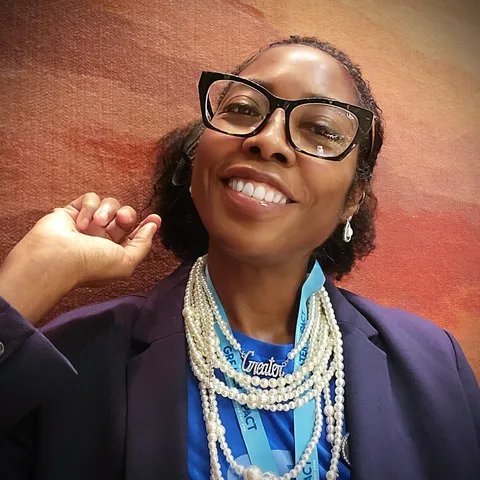
Toun Sogbein is a women's health nurse practitioner with Visana Health, a women's health practice that works entirely by video out of Minneapolis. She handles menopause and perimenopause along with the gynecological and sexual health problems that often sit alongside them, and she came to this work from public health clinics and a community health degree. First visits run 45 minutes, and patients stay with the same provider and can message the care team through the patient portal between visits. Visana's menopause care follows protocols written by Dr. Barbara Levy, and a patient can go the hormone route or a non-hormonal one after talking it through. Labs and imaging get ordered near home when they are needed, and optional health coaching covers food and exercise for anyone who wants that support. Many patients reach Visana through an employer or health plan, and the site has a start page where you look up yours.
Aspire is a small concierge women's health practice in downtown Northfield that Lillian Medhus founded, with video visits for women in Minnesota, Texas, Oklahoma and Kansas. It works alongside your primary care provider rather than replacing it, and it does no pregnancy care. Care starts with a 90-minute first visit, then a six-month program of hour-long visits, labs, coaching and messaging before you move to an ongoing membership. Menopause care centers on individual hormone therapy decisions, and members join an HRT club when they need it. Medhus also focuses on endometriosis, PCOS, pelvic pain and sexual health, and says her own health struggles led her to build the practice. If you are unsure, you can request a 20-minute call with one of the nurses first.
Concierge Medicine of Minnesota is a membership practice in Apple Valley where Dr. Westmoreland is the only doctor. One annual fee covers office visits, video and phone appointments, and direct messaging with her, and she guarantees same or next-day scheduling. New patients start with a free meet and greet, then sign a membership agreement, and the staff gathers their old records before the first full exam. Menopause and perimenopause care is her own work, and she treats hormone therapy as one option to weigh against a patient's history rather than something she starts by default. The practice says it does not use compounded medications, citing thin scientific backing and possible risks. Women who would rather not join can pay for a single two-hour consultation with her instead, and members can have her come to the house for an extra fee.
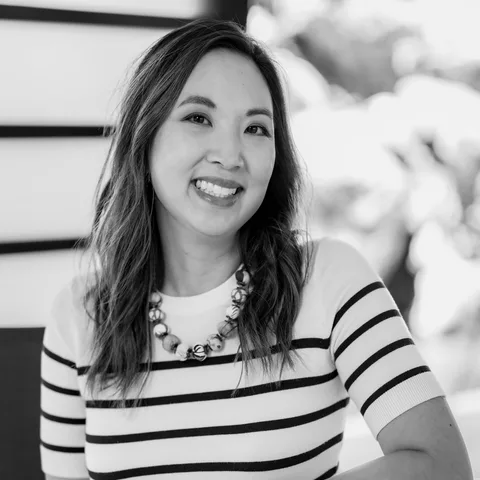
Dr. Mandigo is an OB-GYN who runs a small cash-pay video practice alongside her main job at a community health centre in Southern California. Perimenopause and menopause are among the concerns she sees, along with contraception, abnormal smear results and pregnancy questions. You start by filling out a short request form, and she replies by email within a day to set up a video visit. New patient consultations run 60 minutes, with shorter follow-ups after that, so there is time to talk things through. Her intake form points women who want to use insurance for menopause care to another telehealth company instead. She says she started the practice because appointments elsewhere were too short and too hard to get.
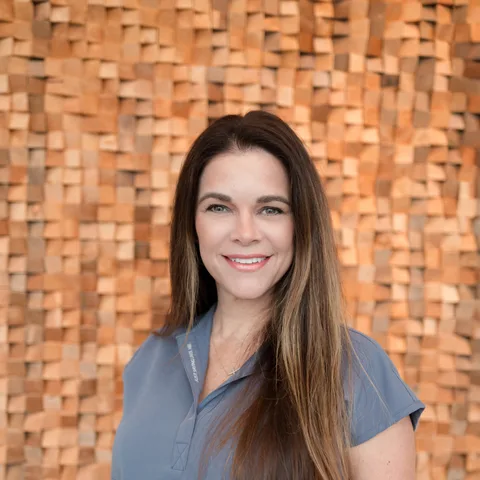
Kristine Groemping is a family nurse practitioner and former Navy officer who started out in labor and delivery nursing and later worked as a menopause specialist at Evernow. She founded this small cash-pay practice, which treats perimenopause and menopause along with weight management, thyroid conditions and low libido in women. She is openly against pellets, pricey supplements and frequent hormone lab testing, and follows Menopause Society guidelines for estrogen, progesterone and testosterone. Most care happens by video, with refills handled by video or secure message, and she also sees patients at an office in southwest Austin. New patients can request a first hormone, testosterone or weight consultation online, and the booking page also offers a free introductory call.
Dr. Moayedi is a Dallas OB/GYN who specializes in complex family planning and runs her own small practice. Her perimenopause and menopause care happens entirely by video, and she reviews your history and explains the science behind the treatment plan. Between visits you can text her directly with questions. Most patients need one or two follow-up visits to adjust doses, then a yearly visit to keep refills going. Prescriptions go to whatever pharmacy you choose. The practice doesn't take insurance, but it works with nonprofit funds to help Texas patients cover visit costs.
Takes Blue Cross Blue Shield, UnitedHealthcare · first visit $250
Anna O'Hearn is a psychiatric nurse practitioner who runs Be Well Wyoming, a telehealth practice for adults in Wyoming and Nebraska. Most of her work is psychiatric medication care. She names women's mental health as a specialty, including PMDD, perimenopause and menopause. She prescribes hormone therapy as part of that care and pairs it with supplements, meditation and lifestyle changes. Appointments run on evenings and weekends.
Nicki Baker is a women's health nurse practitioner who works with women in perimenopause and menopause. Care is delivered by telehealth to patients living in Minnesota and Wisconsin, and the practice publishes no office address. The service list names hormonal and non-hormonal therapy, with bioidentical options that are most commonly FDA-approved. It also covers sleep, mood and cognitive concerns such as memory and concentration, along with sexual and urogenital health. A first visit runs 60 minutes and covers medical and midlife history, symptoms and priorities, and ends with personalized recommendations and next step planning. Follow-up visits run 30 minutes and are used to check progress and adjust the plan.
Taylored Wellness is Dr. Taylor's own practice and she is the only physician in it. Care starts with a long physician evaluation that pulls prior records, labs, family history and genetics into one picture, then sets an order for what to address first. She treats hormone change as one system among several, so the same plan may also take in metabolism, sleep, cardiovascular risk and cognition. Treatment can include prescription medication, hormone therapy, supplements, exercise prescription and intravenous or injectable therapies. She trained and boarded in emergency medicine before moving into integrative and functional medicine, and says the crises she treated there were never sudden. Two six-month precision health programs are described on the site but are still in development, so for now the way in is one private consultation.
Gisele Thissen runs WISH on her own as a fully virtual practice, so every visit happens by video and there is no office to walk into. Every new patient starts with the same long one-on-one assessment, which runs about an hour and covers symptoms, history, medications and previous treatment before anything is decided. She prescribes hormone therapy and women's testosterone where it fits the history, and she treats thyroid problems, metabolic and weight concerns, and sexual health complaints alongside the menopause transition. After the assessment she recommends either a six month course of care called Reclaim or a twelve month concierge year, and neither is required. She spent over a decade as a bedside nurse in obstetrics before moving into private practice, and she sees patients in Spanish as well as English. When an exam, imaging or a specialist is needed she helps arrange it locally and brings the findings back into the plan.
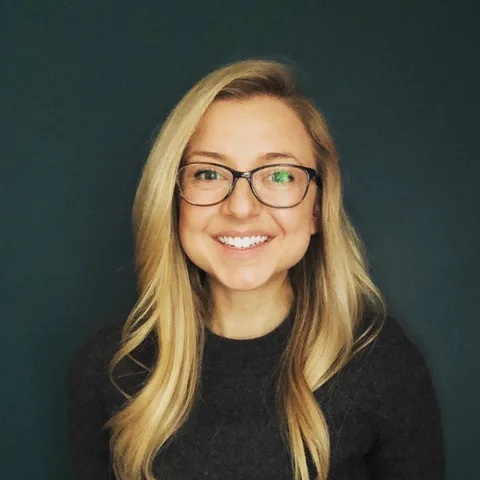
Diana Kumar is a board certified OB-GYN who co-founded Gliss Wellness, a virtual practice built around perimenopause and menopause. All care happens by video and secure messaging, so there is no office to visit. A menopause visit runs about 30 minutes and ends with a plan and prescriptions for an initial three month period, followed by a check-in visit before refills continue for the rest of the year. She prescribes hormone therapy when it fits, can order labs and scans, and sends prescriptions to the patient's own pharmacy. She also sees women for weight counseling and for urgent gynecology problems handled through a short written form. Her stated areas of interest are PCOS, sexual dysfunction, bone health and longevity medicine.
Gretchen Dutcher sees patients through Midi Health, a national virtual menopause clinic that works by video only. She became a nurse practitioner in 2021 but has worked in women's health since 2014, in gynecology, urology and postpartum care. She says education is what she enjoys most about menopause care, and she wants women to understand what is happening in their bodies and to feel less stigma about midlife changes. She describes her approach as a partnership and says she meets each patient where she is. New patients can book with her by name through her own Midi page. Midi does not do in-person exams, so anything needing a physical exam or imaging is referred out.
A solo physician practice treating perimenopause and menopause, medical weight management and related chronic conditions. Menopause care can be booked on its own without joining a weight program. Visits are paid one at a time rather than by membership, in person in Lakeville or by telehealth, and patients complete intake questionnaires in a portal before the first appointment. The practice prescribes only FDA-approved preparations, which are pills, patches and vaginal formulations, and states plainly that it does not prescribe compounded medication.
Haugen OB/GYN grew out of Dr. John Haugen's obstetrics and gynecology practice and now runs offices in Edina, downtown Minneapolis and Plymouth. Its gynecology page lists menopause care and hormone replacement among the preventive care its physicians provide, alongside surgical work that includes advanced laparoscopy. Dr. Schmitz-Burns names high risk pregnancy, infertility, minimally invasive surgery, cervical dysplasia and the menopause transition as her special interests. She writes that her own infertility, a high risk pregnancy and now middle age have deepened how she understands her patients. She trained at Parkland Hospital in Dallas and is proficient in medical Spanish. Menopause symptoms and hormone therapy management are among the things the practice will handle in a video or phone visit.
Cindi Lockhart is a dietitian, so this is nutrition and lifestyle care rather than prescribing. She works mostly with women in perimenopause and menopause, and also takes on thyroid problems including Hashimoto's, weight that will not shift, and gut issues. Her main one to one option opens with a 90 minute visit, then functional lab testing and coaching sessions spread over six months, with messaging in between. She also runs a 12 week menopause group capped at ten women that brings in guest experts, including a hormone doctor who teaches what the evidence says about hormone therapy, though nobody in the practice prescribes it. Everything is done by video, and she says she works with clients across the country.
Katlyn Schweder is a family nurse practitioner at the Mankato Clinic Daniels Health Center in St. Peter. She works in primary care, and menopause care is one of her stated interests alongside women's health and pediatrics. That makes her a good fit for a woman who wants her menopause care handled by the same person who sees her for everything else. She has talked about menopause treatment on a local Mankato radio podcast. New patients can book with her online or by phone.
Allie Theiss is a menopause coach, not a licensed clinician, and she does not prescribe. The main service is a private three or six month coaching program on her own six-part framework, covering nutrition, supplements, flower essences, sleep and stress, intimacy and energy. Smaller options are a one-off audit with a recorded video review, and single paid sessions by Zoom, phone or in person in Akron. She writes that hormone therapy was not an option in her own menopause, and the program's answer to hormonal symptoms is supplements, flower essences and lifestyle change rather than medical treatment. When checked, the online calendars for the paid sessions showed no open times and were not taking payment, so the audit and the coaching program were the open ways to start.
Dr. Carol runs a small concierge practice for women in perimenopause and menopause, and she is going through midlife herself. She spent about 20 years as an emergency physician before turning to menopause care. Care starts with a free 30-minute video call, then a package of two long visits, each 60 to 90 minutes, with messaging between and after them. Visits can be at her Manhattan office, by video, or at your home or workplace. The visits look at symptom treatment along with bone, heart and breast cancer risk. She does not replace your own doctors, so you still need a primary care doctor and a gynecologist for exams and mammograms.
Faubion is an internist at Mayo Clinic in Jacksonville and sees patients through its Women's Health Specialty Clinic. She founded and directs the Mayo Clinic Center for Women's Health, and every condition listed on her own clinical page is a menopause or female sexual health one, so midlife care is the whole of her practice. The clinic runs two routes for a new patient, a menopause consultation that covers natural, surgical and cancer treatment induced menopause as well as primary ovarian insufficiency, and a sexual health consultation for low libido and painful sex. Her page says she helps women work through hormone therapy and understand their options. Appointments go through Mayo's central request process, which in most cases needs no referral, and established patients message her team through the Mayo patient portal. She also practices at Mayo's Rochester campus, and away from work she grows orchids and cooks.
Christine Hart Kress runs her own small menopause practice as a women's health nurse practitioner. New patients start with a short virtual menopause diagnostic call booked online. Visits are by video, and the only appointment she offers online is virtual. She has a doctorate in nursing and a long background in nursing leadership as well as clinical care.
Jackie Stone, MD sees women entirely by telehealth, in a practice she runs alone. She is board certified in obstetrics and gynecology and in obesity medicine, and treats perimenopause, menopause and primary ovarian insufficiency alongside PCOS, genitourinary symptoms, sexual wellness, and skin and hair changes. First visits run a full hour and cover past records, labs and a treatment plan. Ongoing care is by monthly membership or visit by visit, with direct messaging for members.
Kristen Loose is the menopause specialist at Dr. Gina Mantor's medical spa and weight clinic in Westerville, where the rest of the practice focuses on aesthetics and weight loss. She treats perimenopause and menopause with standard hormone therapy, and offers non-hormonal prescriptions and lifestyle advice to women who can't or would rather not take hormones. The first consultation is free and happens by video. After that she sees patients in the office on Wednesdays and Saturdays or by appointment. She follows Menopause Society guidance closely and writes on the clinic's site that soy and black cohosh don't hold up for hot flashes.
Alexa Derosier is a nurse midwife and nurse practitioner in the OB/GYN department at Essentia Health's 32nd Avenue Clinic in Fargo. Her online scheduling has menopause care as its own reason for a visit, and hormone replacement therapy is one of the choices under it. You can book that visit yourself through the health system's patient portal without already being a gynecology patient. The rest of her work runs from pregnancy and birth through well woman visits, and she also sees women for pelvic floor trouble, bladder leaking and pessary care. Her scheduling page lists telehealth alongside midwifery and OB/GYN, and Essentia runs video visits through the same portal. This is a large health system rather than a private menopause practice, so a visit here is a regular clinic appointment billed to insurance.
Krueger is an OB/GYN at Essentia Health's 32nd Avenue Clinic in Fargo, which sits in the same building as the health system's Fargo hospital. She joined in July 2025, after medical school in Minnesota and an obstetrics and gynecology residency in Rochester, New York. She still does obstetrics and gynecologic surgery alongside office gynecology, and she has said she likes following patients from adolescence through to what she calls the mid-life menopause era. Her own list of conditions treated names menopause and hormonal imbalance, along with pelvic pain and bladder problems. The gynecology department handles menopause symptoms from premenopause through postmenopause, and hormone replacement therapy is one of the treatments it uses. This is health-system care, so visits are billed to insurance and booked by phone or through the patient portal, and her page says new patients are welcome.