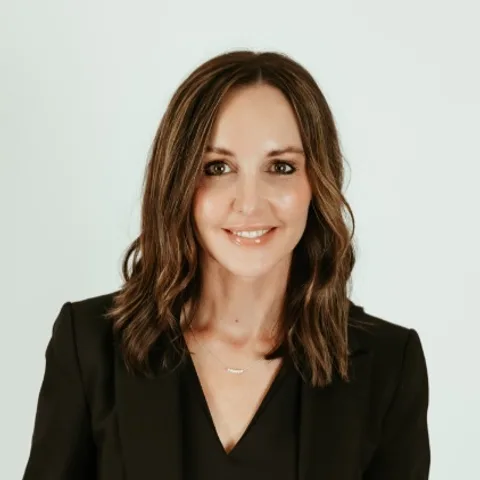
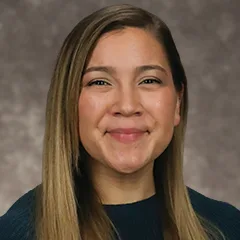
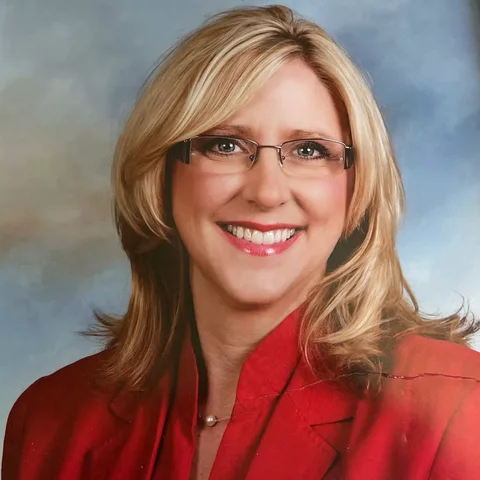
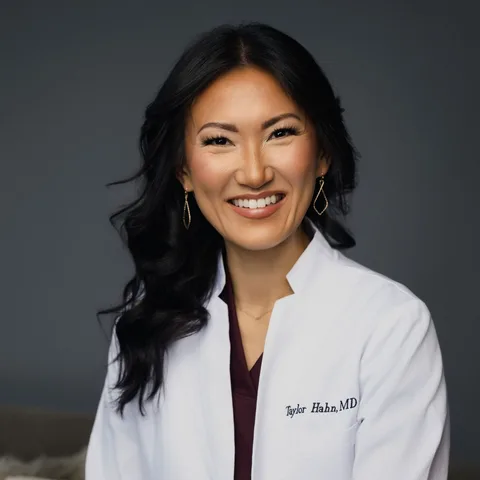
80 practitioners have an office in Missouri, and 57 more can see patients here by telehealth. 87 of them are certified by the Menopause Society, and the most are in Saint Louis, Kansas City and Chesterfield.
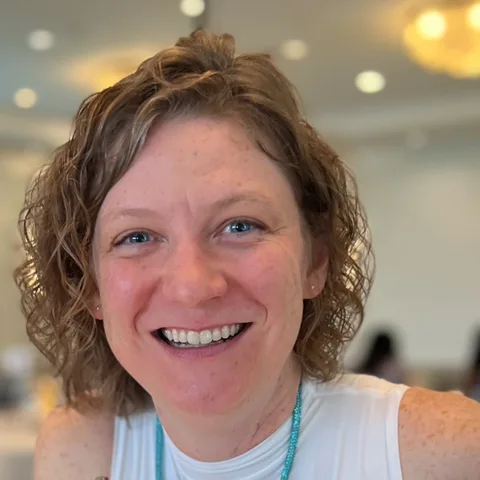
Gliss Wellness is a virtual-only OB/GYN practice Dr. Walsh co-founded with a second board-certified OB/GYN, and menopause care is its main focus. Care starts with a 30-minute video consultation about your symptoms, and if hormone therapy suits you, you leave with prescriptions for the first three months. A follow-up at three months keeps refills going for the rest of the year, and refills in between happen by message through the patient portal. There is no membership, and you fill prescriptions at your own pharmacy. The doctors can't examine you in person but can order labs and other tests. Dr. Walsh's own interests include pelvic pain, endometriosis, fibroids and weight loss, and a free 15-minute call lets you meet the team before booking.
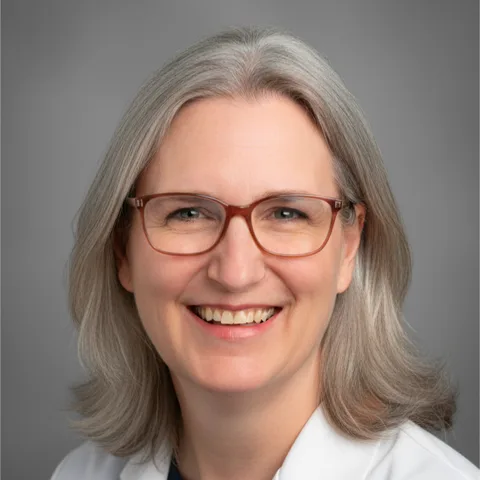
Gennev is an all-virtual menopause clinic owned by Unified Women's Healthcare, and care starts with a 30 minute video visit with a menopause-trained doctor. Dunsmoor-Su is Gennev's chief medical officer and she also carries her own patient list. The areas she names herself include premature ovarian insufficiency, breast cancer risk and survivorship, endometriosis, and weight management with medication. Her background is clinical epidemiology, and she still runs women's health drug trials as a medical director at a Seattle research centre and teaches OB-GYN residents. She says she treats each visit as a chance to explain the current evidence so the decision about treatment is a shared one. Doctors here prescribe FDA-approved hormone therapy when a patient is a candidate and non-hormonal medicines when she is not, and the clinic tells patients to steer clear of compounded weight drugs made outside FDA oversight.
Beyer is a Midi clinical leader and sits on the company advisory board, and she still sees patients by video. She trained in obstetrics and gynaecology, then dropped obstetrics to work on gynaecology and hormonal health only. Weight is her second focus and she holds a diplomate from the American Board of Obesity Medicine. She talks openly about gaining weight before her 50th birthday and losing 35 pounds over five months, and she uses that with patients who are struggling. Care runs through Midi only, so visits are by video and anything needing an exam or imaging goes to an outside clinician. Her page has no booking link of her own, so the Midi sign-up does not let a new patient choose her by name.
Laura Grant cofounded Women's Wellness Center in Columbia with her husband Mark Grant, also an OB-GYN, in 2007, after more than a decade of delivering babies. She stopped doing obstetrics and now sees women only for gynecology, hormone therapy and pelvic floor problems. The practice runs its hormone care almost entirely on compounded pellets inserted under the skin at the hip, and says plainly why it has moved away from pills, creams and injections. Patients on pellets come back every three or four months for a face to face review with their provider. Her other main interest is bladder and bowel control and pelvic pain, which she works up herself and then treats in the office with pelvic floor therapy rather than with surgery or long term drugs. She writes and signs her own patient handouts, including one arguing that hormone therapy is safe for women who have had breast cancer.
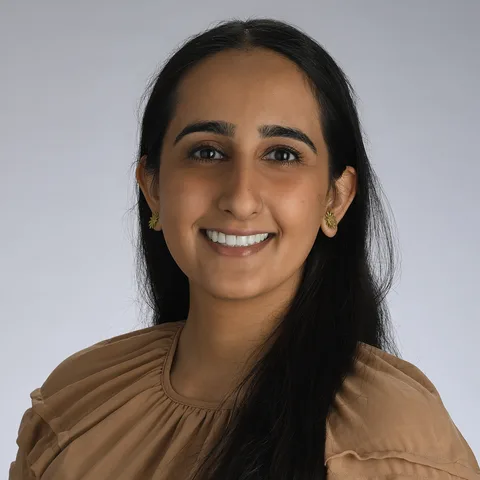
Kasianchuk is a registered dietitian at Gennev, a virtual menopause clinic, so her work is nutrition and lifestyle counseling rather than prescribing. Gennev's doctors handle medication and hormone therapy, and she works alongside them with shared notes in the patient record. Her own page names weight management, bone health and cardiovascular health as her areas, along with sports nutrition and exercise physiology. A first visit with her runs 50 to 55 minutes and follow-ups run 30 to 40 minutes, usually every two or three weeks for at least three months, with text support in between. She also runs Gennev's lifestyle care program as its senior director of lifestyle care. Gennev's weight management track starts with the dietitian rather than the doctor and you can self-refer into it, while nutrition care in the general menopause track comes as a referral from your first doctor visit.
Carrie Wieneke Broghammer is a general obstetrician gynecologist at The University of Kansas Health System, where she chairs the OB/GYN department. The department runs a midlife program called Menopause, Intimacy and Midlife Transition, and its menopause care includes hormone therapy. Her own profile describes the breadth of obstetrics and gynecology rather than a menopause-only practice. She came to KU in 2008 and started its minimally invasive gynecology program, so gynecologic surgery is a real part of her work. Her bio says she wants patients to understand their options and play a part in their own care, and she sees teens, adults and adults over 65. Visits are at two locations on the Kansas City campus, video visits are available, and a new patient starts by sending an appointment request and waiting for a scheduler to call back.