35 practitioners have an office in Montana, and 58 more can see patients here by telehealth. 65 of them are certified by the Menopause Society, and the most are in Bozeman, Missoula and Billings.
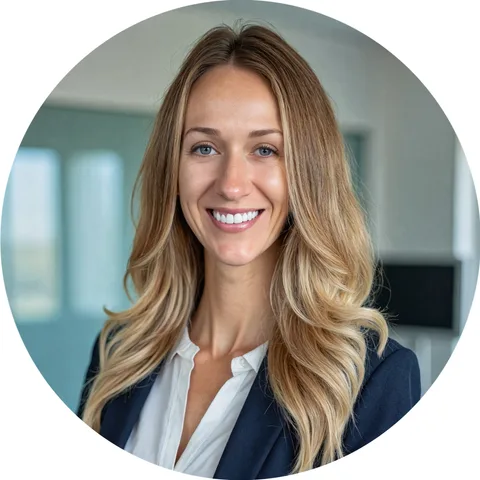
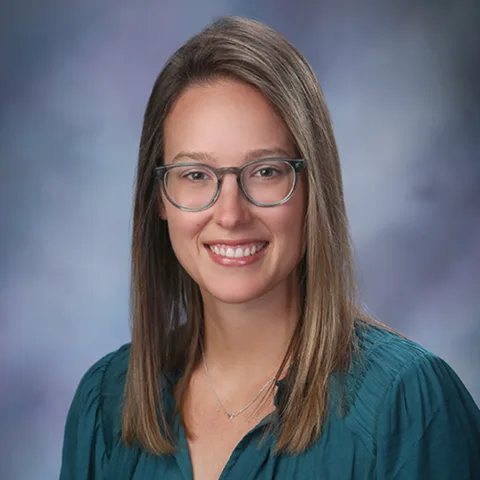
Ovella Health is a virtual practice Dr. Baxter co-founded with another family medicine physician after years in traditional primary care and urgent care. Every visit and every message is with the same doctor, first visits run a full hour, and follow-ups are usually half that. The practice sticks to FDA-approved bioidentical hormones and says plainly that it does not routinely prescribe pellets or compounded combinations. Care reaches past symptom relief into bone, heart and brain prevention, and the doctors order things like DEXA scans and coronary calcium scores for patients who want to go deeper. Dr. Baxter has a particular interest in caring for cancer survivors, and in women who cannot or would rather not use hormones. She grew up in Wyoming and moved to Bozeman in 2025.
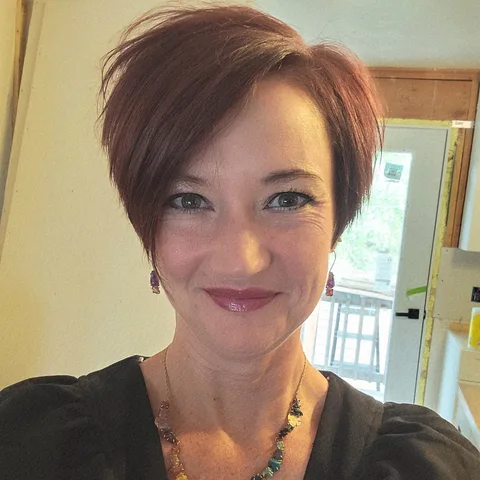
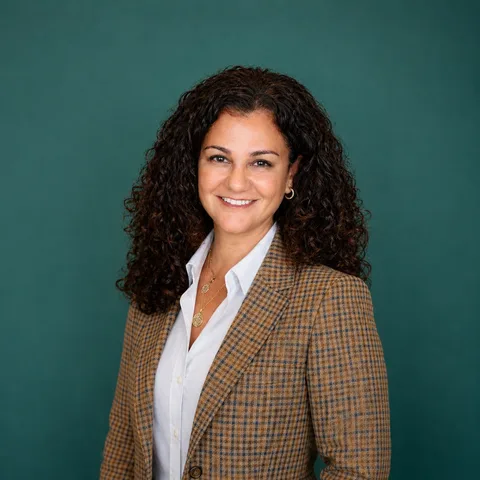
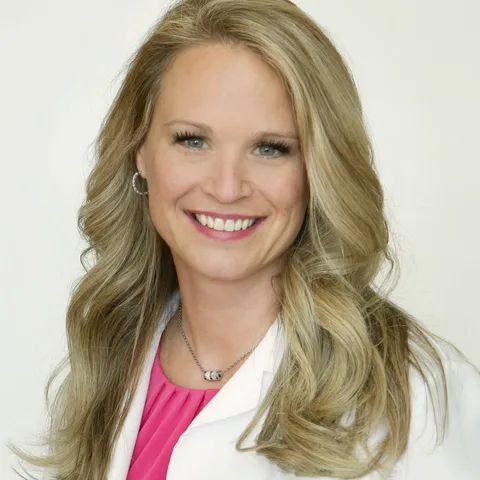
Elizabeth Buisker is a family medicine physician in Bozeman who has also worked as a health system executive. She built this practice after her own perimenopause took her nearly two years to work out, despite being a physician herself. The first visit is a long history review with no prescribing attached, and from there patients can move into a six month program that covers lab review, prescriptions and messaging between visits. After that people come back annually or as needed to adjust the plan and refill medication. She prescribes hormone therapy but writes that it works best alongside strength training, sleep and nutrition, calling hormones the floor and lifestyle the ceiling. She is blunt about the wellness industry and says it filled the gap with endless supplements and specialty labs that feel real but often lack the science.
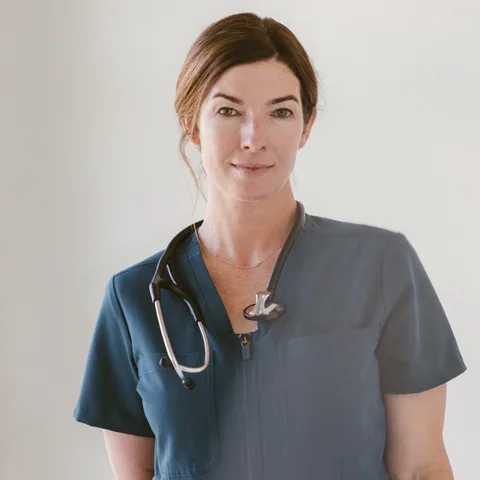
Dr. Allison runs a small telemedicine practice for women in perimenopause and menopause. She spent 14 years as an emergency physician before moving into midlife women's care. She prescribes FDA approved hormone therapy and testosterone, and offers non-hormonal medicines for women who can't or won't take hormones. New patients fill out long history forms first, then have a 75 minute first visit and a short check-in two weeks later. She also covers bone health, breast cancer risk and prevention planning. She does not replace your primary care doctor or gynecologist, and she expects you to keep them.
Diana Kumar is a board certified OB-GYN who co-founded Gliss Wellness, a virtual practice built around perimenopause and menopause. All care happens by video and secure messaging, so there is no office to visit. A menopause visit runs about 30 minutes and ends with a plan and prescriptions for an initial three month period, followed by a check-in visit before refills continue for the rest of the year. She prescribes hormone therapy when it fits, can order labs and scans, and sends prescriptions to the patient's own pharmacy. She also sees women for weight counseling and for urgent gynecology problems handled through a short written form. Her stated areas of interest are PCOS, sexual dysfunction, bone health and longevity medicine.
Dr. Connor is a gynecologic oncologist at the Intermountain Health West End Clinic in Billings, and most of her clinical work is preventing, diagnosing and treating ovarian, uterine, cervical, vaginal and vulvar cancers. Her Intermountain profile is the only one in her department that mentions menopause, and it says her Menopause Society certification recognises her knowledge of managing menopausal health with hormonal and non-hormonal options. She moved to Montana so women in the region would not have to leave the state for gynecologic oncology care. She travels to outreach clinics in Missoula, Butte, Helena, Sidney and Bozeman, and to Cody in Wyoming, so patients in small towns do not have to drive to Billings. New patients start by calling the clinic, because her profile offers no online booking and no video visit.
Hyman is a gynecologist who sees patients at Billings Clinic in Billings and at Barrett Hospital in Dillon. Her stated focus is chronic pelvic pain, painful periods and pain with intercourse, and she lists menopause and perimenopause care with hormone replacement therapy among the gynecologic services she provides. For pain she uses trigger point injections of the abdominal wall and pelvic floor, nerve blocks and medication, and she refers to pelvic floor physical therapy and pain clinics when that helps. She tells patients an exam can be useful but that how much of one happens is in their control. Before Montana she taught laparoscopic surgery to physicians in Guyana and then worked as a locums doctor in small towns, which is what turned her toward rural care. Her own website is still mostly a newsletter signup while she builds an independent practice.
Dr. Carol runs a small concierge practice for women in perimenopause and menopause, and she is going through midlife herself. She spent about 20 years as an emergency physician before turning to menopause care. Care starts with a free 30-minute video call, then a package of two long visits, each 60 to 90 minutes, with messaging between and after them. Visits can be at her Manhattan office, by video, or at your home or workplace. The visits look at symptom treatment along with bone, heart and breast cancer risk. She does not replace your own doctors, so you still need a primary care doctor and a gynecologist for exams and mammograms.
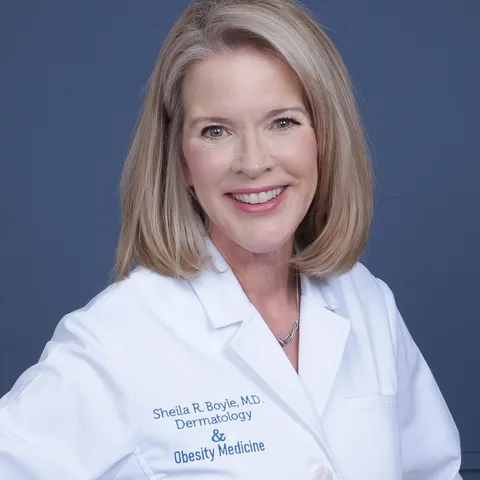
A solo direct-pay practice in Lone Tree whose stated scope is dermatology, cosmetic procedures and medically supervised weight management. The physician is board certified in dermatology and obesity medicine. Every initial visit is by video, with in-person follow-ups by appointment, and the practice does not bill insurance. Hormone replacement therapy is named only as one reason for a new-patient visit on the fee schedule, and no hormone or menopause care is described anywhere else on the site.
A physician-led longevity and performance practice based in Seattle, where the practitioner is medical director. Care begins with an in-person day in the Seattle area for baseline diagnostics, covering over a hundred biomarkers, body composition, cardiorespiratory fitness, continuous glucose monitoring, genomics and multi-cancer screening. It then moves to quarterly labs and structured medical reviews, with follow-ups virtual or in person. A women's track is described for perimenopause, menopause and after, with hormone and metabolic diagnostics and ongoing telehealth support, and physicians provide prescriptions and referrals as clinically appropriate.
Dr. Anyaoku founded Hibiscus Aesthetics and Wellness in Katy and is the only clinician there. Hormone care starts with a wide lab panel rather than a symptom questionnaire, and she orders markers like free T3, DHEA-S and fasting insulin that a standard physical skips. She prescribes bioidentical hormones as patches, creams, injections or pills, and no page on the site mentions pellets. She is also a diplomate of the American Board of Obesity Medicine, so weight and hormone questions get handled in the same visit. Aesthetic treatments happen in person at the Katy clinic, while hormone, weight and longevity care can be done by video in 23 states. You pay per visit and there is no membership or package.
Gliss Wellness is a virtual-only OB/GYN practice Dr. Walsh co-founded with a second board-certified OB/GYN, and menopause care is its main focus. Care starts with a 30-minute video consultation about your symptoms, and if hormone therapy suits you, you leave with prescriptions for the first three months. A follow-up at three months keeps refills going for the rest of the year, and refills in between happen by message through the patient portal. There is no membership, and you fill prescriptions at your own pharmacy. The doctors can't examine you in person but can order labs and other tests. Dr. Walsh's own interests include pelvic pain, endometriosis, fibroids and weight loss, and a free 15-minute call lets you meet the team before booking.
Beyer is a Midi clinical leader and sits on the company advisory board, and she still sees patients by video. She trained in obstetrics and gynaecology, then dropped obstetrics to work on gynaecology and hormonal health only. Weight is her second focus and she holds a diplomate from the American Board of Obesity Medicine. She talks openly about gaining weight before her 50th birthday and losing 35 pounds over five months, and she uses that with patients who are struggling. Care runs through Midi only, so visits are by video and anything needing an exam or imaging goes to an outside clinician. Her page has no booking link of her own, so the Midi sign-up does not let a new patient choose her by name.
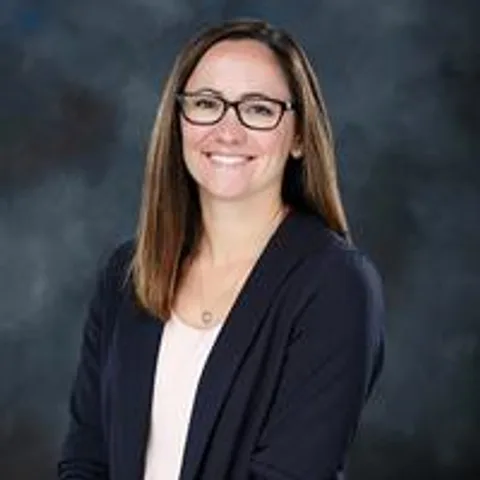
The Matriarch Clinic is a virtual practice that Dr. Consson founded to reach women across Montana and Wyoming, after years as a primary care internist in Billings, Bozeman and Big Timber. Care runs entirely by video. A new patient starts with a one hour initial consultation booked through the clinic portal, then moves to shorter follow ups. She sticks to FDA approved menopausal hormone therapy and FDA approved non-hormonal medication, and she has written publicly that hormone pellets are unproven and not approved for menopause. The clinic also brings in a registered dietitian and a licensed therapist for nutrition, body composition and mental health work. Patients sent over by another doctor are asked to keep their own primary care provider so routine care continues there.