41 practitioners have an office in Nebraska, and 46 more can see patients here by telehealth. 54 of them are certified by the Menopause Society, and the most are in Omaha, Lincoln and Norfolk.
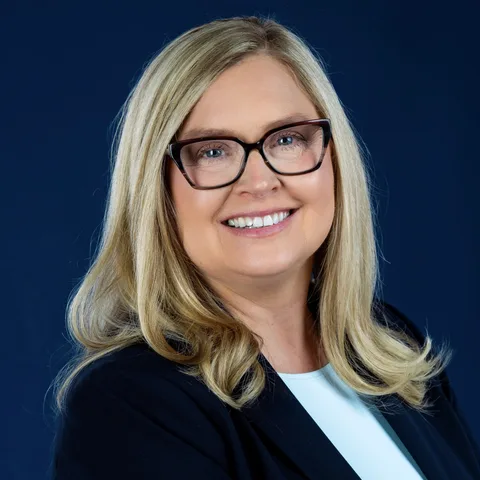
Gennev is a virtual menopause clinic and Brekke is one of the doctors on its prescriber roster. She is a board certified OB-GYN with more than 25 years in practice, and her own page names perimenopause, menopause, premature ovarian insufficiency and weight management medication. Her stated approach is for women who are good at supporting everyone around them and who struggle to put themselves first. She says she does not do meal plans or macros, and works instead through small habits that build on what a patient already does well. Visits are by video and run 30 minutes, and a referral to one of the clinic's dietitians can be made at the first appointment. The clinic prescribes GLP-1 medication on its weight track and says plainly that it will not use compounded versions.
Takes Aetna, Blue Cross Blue Shield +4 · first visit $150
MyMenopauseRx is a virtual menopause practice founded by a gynecologist, and Krantz is one of about a dozen clinicians a patient can pick from. Visits are video appointments of about thirty minutes, and most patients come back every eight to twelve weeks until their symptoms settle. She prescribes FDA-approved estradiol and progesterone rather than compounded hormones, and the practice is clear that it works alongside a patient's own primary care doctor rather than replacing it. Testosterone is written only for patients located in Illinois, and everyone else gets the prescription from their own doctor while the practice manages the dosing. Krantz has practiced for more than thirty years in university, HMO, community health and telehealth settings, and she completed the integrative medicine fellowship at the University of Arizona with training in medical acupuncture. She works from Oregon and says she has aged alongside her patients, which is how menopause care became her emphasis.
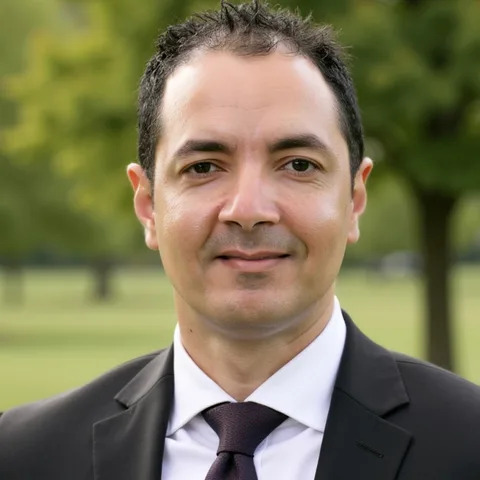
Diana Kumar is a board certified OB-GYN who co-founded Gliss Wellness, a virtual practice built around perimenopause and menopause. All care happens by video and secure messaging, so there is no office to visit. A menopause visit runs about 30 minutes and ends with a plan and prescriptions for an initial three month period, followed by a check-in visit before refills continue for the rest of the year. She prescribes hormone therapy when it fits, can order labs and scans, and sends prescriptions to the patient's own pharmacy. She also sees women for weight counseling and for urgent gynecology problems handled through a short written form. Her stated areas of interest are PCOS, sexual dysfunction, bone health and longevity medicine.
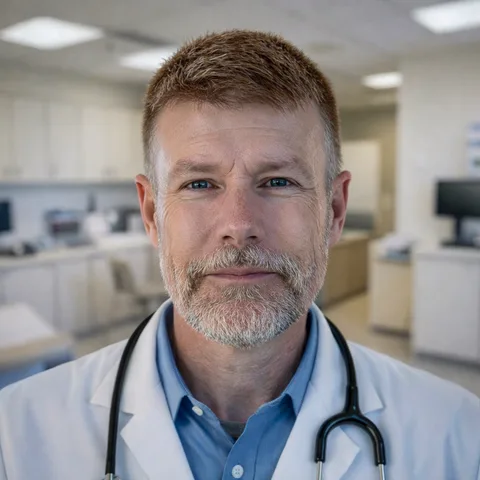
Dr. Patera is an internal medicine doctor who sees adults at a Methodist Physicians Clinic in Waterloo, just west of Omaha. Midlife women's health is one of her stated clinical interests, alongside metabolic health and obesity medicine. She is also board certified in obesity medicine, so she is a good fit for a woman who wants menopause care and weight or metabolic concerns handled by one doctor. She grew up in Venezuela and sees patients in Spanish as well as English. Her profile says she is accepting new patients, and appointments are booked by calling the clinic.
Dr. Sullivan is a board-certified gynecologist at Associates in Womens Health, a large OB-GYN group in west Omaha. She cares for women at every stage of life, from young women and childbirth through menopause and beyond. Menopause care is offered in person at the office, with both hormonal and non-hormonal prescription options depending on your symptoms and history. She also delivers babies and does minimally invasive gynecologic surgery, having performed over 200 robotic-assisted hysterectomies. The practice does bone density testing and osteoporosis treatment in house. Appointments are made by phone, and the patient portal is for established patients.
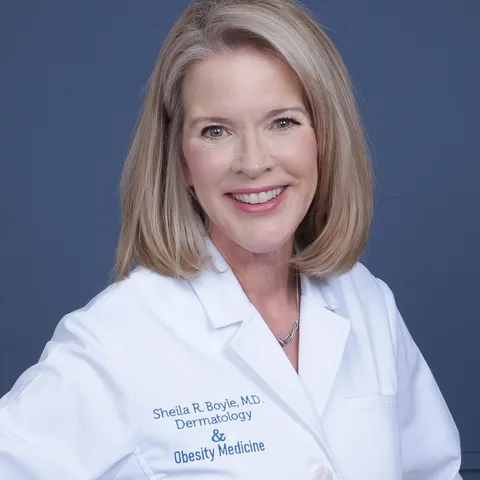
A solo direct-pay practice in Lone Tree whose stated scope is dermatology, cosmetic procedures and medically supervised weight management. The physician is board certified in dermatology and obesity medicine. Every initial visit is by video, with in-person follow-ups by appointment, and the practice does not bill insurance. Hormone replacement therapy is named only as one reason for a new-patient visit on the fee schedule, and no hormone or menopause care is described anywhere else on the site.
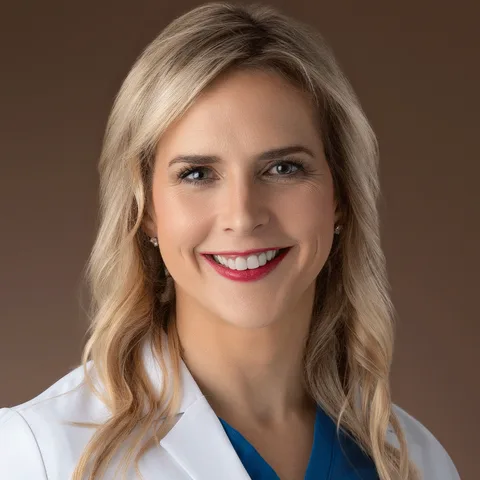
Gliss Wellness is a virtual-only OB/GYN practice Dr. Walsh co-founded with a second board-certified OB/GYN, and menopause care is its main focus. Care starts with a 30-minute video consultation about your symptoms, and if hormone therapy suits you, you leave with prescriptions for the first three months. A follow-up at three months keeps refills going for the rest of the year, and refills in between happen by message through the patient portal. There is no membership, and you fill prescriptions at your own pharmacy. The doctors can't examine you in person but can order labs and other tests. Dr. Walsh's own interests include pelvic pain, endometriosis, fibroids and weight loss, and a free 15-minute call lets you meet the team before booking.
Beyer is a Midi clinical leader and sits on the company advisory board, and she still sees patients by video. She trained in obstetrics and gynaecology, then dropped obstetrics to work on gynaecology and hormonal health only. Weight is her second focus and she holds a diplomate from the American Board of Obesity Medicine. She talks openly about gaining weight before her 50th birthday and losing 35 pounds over five months, and she uses that with patients who are struggling. Care runs through Midi only, so visits are by video and anything needing an exam or imaging goes to an outside clinician. Her page has no booking link of her own, so the Midi sign-up does not let a new patient choose her by name.
Omaha OB-GYN Associates is a small private practice with offices in east and west Omaha, and Dr. Leishman-Barb is one of six physicians there. Her own page says her scope covers treatment of perimenopause and menopause along with endometriosis, abnormal bleeding, contraception and hormone replacement. Menopause care runs as an ordinary clinic visit rather than a separate program, starting with hormone testing and then choosing between hormone therapy, non-hormonal medication and lifestyle changes. Hormone therapy comes as pills, patches, creams and vaginal preparations, and nothing on the site mentions pellets or compounded hormones. She is one of two Menopause Society certified practitioners in the group, she treats hypoactive sexual desire disorder, and she belongs to ISSWSH. She also has experience in pelvic floor dysfunction and refers patients on to pelvic floor physical therapy.
Winston is a board certified obstetrician gynaecologist at Boston Medical Center. She sees patients at two sites, the main Boston campus on Harrison Avenue and BMC Brighton. Her hospital listing places her in obstetrics and gynaecology along with labour, delivery and postpartum care, so her published work includes deliveries and not only office gynaecology. Boston Medical Center publishes nothing about menopause, perimenopause or hormone therapy for her, and her profile carries no specialties list at all, while a colleague at the same Harrison Avenue office does list menopause. Her menopause certification from The Menopause Society is current, but her employer's site gives no sign that she offers menopause care. She trained in obstetrics and gynaecology at Marshall University in West Virginia after earning her osteopathic degree in Tennessee.