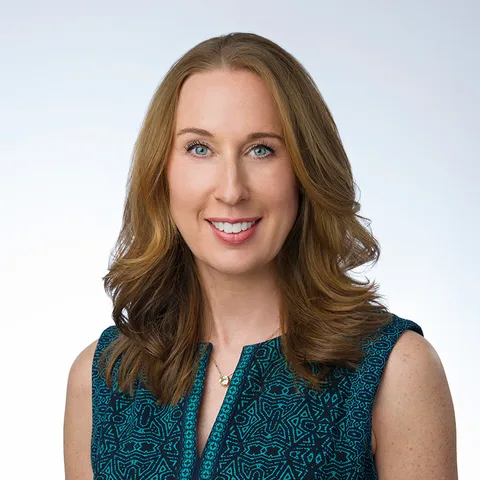
Kristen Semanision is a family medicine physician at One Medical's Upper East Side office in Manhattan. She writes on her own page that she is a Menopause Society Certified Practitioner and particularly enjoys working with people in midlife. The rest of her bio leans on prevention, nutrition, stress management and mental well being, and she says she cares for patients of all ages and loves working with new parents. The office runs its own lab for tests its providers order, and it coordinates specialty referrals through Montefiore Einstein. One Medical names menopause as part of what its primary care providers handle but never says which treatments it prescribes, so what she offers for hormones is not published anywhere on the site. Her page has no booking link of her own, so the One Medical sign up does not let a new patient choose her by name.
A virtual women's specialty care platform for complex hormonal, metabolic and gynecological conditions, where menopause and perimenopause sit alongside PCOS, endometriosis, thyroid disease, fibroids and primary ovarian insufficiency. Each patient is assigned one medical provider, either an obstetrician-gynecologist, an endocrinologist or a women's health nurse practitioner, plus a registered dietitian, and stays with both. Care starts with a 30-minute medical visit and a 45-minute nutrition visit, broad hormonal and metabolic labs, then check-ins every week or two. Prescribing is optional and patient-directed, covering transdermal and oral estradiol, micronized progesterone, a non-hormonal drug for hot flashes, weight medication and thyroid replacement, and a separate arm ships custom-compounded medication to patients.
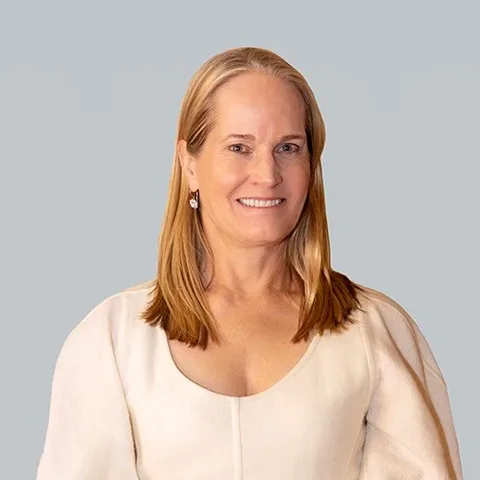
Dr. Nouriel runs one of the few solo OB-GYN private practices in New York City, on the Upper East Side, and sees every patient herself at each visit. She is a Menopause Society certified practitioner and prescribes hormone replacement therapy when it suits the patient, with non-hormonal options offered alongside it. Her menopause work reaches past symptom relief into muscle, bone and heart health, with exercise and nutrition built into the plan. She is also a minimally invasive gynecologic surgeon and performs many procedures in her own office instead of sending patients elsewhere, and she delivers at Lenox Hill Hospital. She worked as a biomedical engineer in medical device development before medicine, and she now teaches as an assistant professor at the Zucker School of Medicine. Visits are booked online and the office reviews a patient's insurance benefits before confirming the appointment.
Tiffani Hughson is a certified nurse midwife at Maiden Lane Medical, a large multi-specialty practice in lower Manhattan. Her practice profile lists her as a telemedicine provider, so visits with her are virtual for patients in New York. She trained in full-scope obstetrics and gynecology and now focuses on perimenopause, menopause and women's sexual health. She manages hormone therapy alongside routine gynecologic care. The practice offers oral and transdermal hormone therapy, vaginal estrogen and DHEA, and non-hormonal medicines. Visits are booked online through the practice's 24/7 telemedicine scheduler.
Takes 1199, Personify plans for Northwell employees
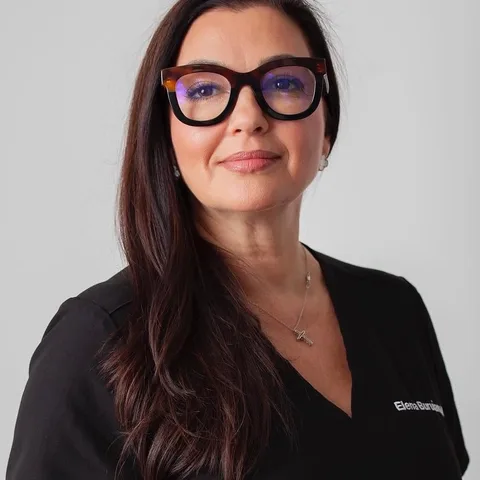
Dr. Buruiana has run her own solo practice in a midtown Manhattan medical building since 2001. She is board certified in both internal medicine and obstetrics and gynecology, and she uses that primary care training to look at a patient's whole health rather than one complaint. Her stated approach to menopause is to treat it as a moment to prevent later disease, so prevention of bone loss and heart disease sits alongside symptom care. The office is an accredited advanced sonography center and runs its own gynecologic ultrasound, saline infusion sonography and office hysteroscopy on site. New patients complete a long health questionnaire before the first visit and are asked to allow two hours for it. Her site describes her menopause care at length but never names a hormone or any other medicine she prescribes.
Mulberry OBGYN is a solo practice on Centre Street in Lower Manhattan, started by Dr. Nyein so that patients see the same physician at every visit. Perimenopause and menopause are the center of the practice, alongside sexual health, surgical gynecology and a concierge pregnancy program. He begins with a long history of cycles and symptoms rather than a single blood test, and uses labs and imaging only where they add something. For hormones he favors regulated FDA-approved preparations and advises against compounded protocols and pellets, and he will consider testosterone only for diagnosed low desire. Because he is also a minimally invasive and robotic surgeon, he can work up abnormal bleeding in his own office with ultrasound, endometrial sampling or hysteroscopy. He is an osteopathic physician who offers hands-on osteopathic manipulative treatment to some patients, and he is the next generation of a family that has cared for women in New York for more than fifty years.
1060 OBGYN is a private, physician owned practice with two Manhattan offices, one on the Upper East Side and one in Midtown. Dr. Elliston co-founded the practice and serves as its Medical Director, and the practice names menopausal hormone therapy, advanced family planning and hypnobirthing as the areas of specialization. All of the practice's physicians deliver at Lenox Hill Hospital, so a full obstetric service runs alongside the gynecology care. The office places IUDs on site and offers local anesthesia, nitrous oxide and intravenous sedation for the procedure. A separate electromagnetic chair treatment for pelvic floor weakness and urinary leakage is bookable at the Midtown office. Telemedicine visits with the practice's clinicians are arranged by calling the office.
Kostant is one of several gynecologists at Carnegie Women's Health, the gynecology office of a high risk pregnancy group called Maternal Fetal Medicine Associates on the Upper East Side. Her own page says she handles annual exams, pregnancy planning and perimenopausal and menopausal symptoms, and that she does office and outpatient surgery herself. The practice describes menopause care as starting with blood work to check hormone levels, then choosing between hormone therapy with estrogen and progesterone or a low dose antidepressant. Carnegie also does BioTE hormone pellets, but the site names two other doctors with that service rather than her. Visits are requested through a form on the site, and you pick either the office or a Zoom appointment when you fill it in. Because the group's main business is high risk obstetrics, midlife care sits in the same office as genetic cancer screening and a nutritionist.
Downtown Women is a long established SoHo practice staffed by women clinicians, and Dr. Buxbaum joined it in 1994 to rebuild the obstetrics side. She delivered babies there for years and now limits her practice to office gynecology. Her stated interests are premenstrual syndrome, perimenopause and menopause, along with abnormal uterine bleeding and the management of abnormal Pap smears. The practice answers the menopause question on its own FAQ, saying it has providers with a special interest in treating menopause and that the approach covers lifestyle strategies, bioidentical hormones and conventional hormone replacement therapy. One thing to know is that she is not on the practice's online scheduler, so her appointments go through the office appointment staff by phone. The practice also runs an in house reproductive mental health program whose therapists see patients through perimenopause and menopause.
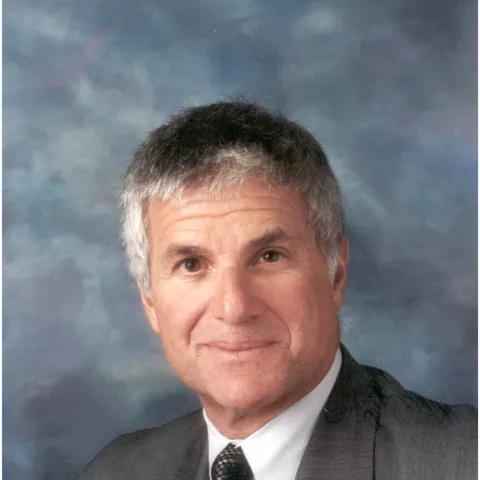
Upper East Side Gynecology is a two physician practice on the Upper East Side of Manhattan, and Dr. Wells built it at this address in 2005. The services page lists management of menopause among its office gynecology, but the site names no hormone treatment anywhere, so what is prescribed for menopause is not published. Most of the published detail is procedural. The office does LEEP, colposcopy, biopsies, diagnostic hysteroscopy and IUD insertion on site, and laparoscopic and vaginal surgery is done at Mount Sinai Medical Center. Dr. Wells and the other physician here trained together in residency at Mount Sinai in 2001, and both still teach residents and medical students. New patients register and sign their forms on the practice portal before the first visit, and that portal is also how patients message the doctors directly.