182 practitioners have an office in Ohio, and 83 more can see patients here by telehealth. 191 of them are certified by the Menopause Society, and the most are in Cincinnati, Columbus and Cleveland.
Jackie Stone, MD sees women entirely by telehealth, in a practice she runs alone. She is board certified in obstetrics and gynecology and in obesity medicine, and treats perimenopause, menopause and primary ovarian insufficiency alongside PCOS, genitourinary symptoms, sexual wellness, and skin and hair changes. First visits run a full hour and cover past records, labs and a treatment plan. Ongoing care is by monthly membership or visit by visit, with direct messaging for members.
Dr. Ward is a board-certified internist who sees adults at the Kenwood office of Concierge Medicine of Cincinnati, a membership practice with several menopause-certified clinicians. She spent about 20 years in Cincinnati primary care before joining, and she also holds a PhD in immunology and did cancer research early in her career. Her own bio puts weight on preventive care, cancer survivorship and long-term conditions like diabetes and high blood pressure, and she recently earned her menopause certification. As a member you have her as your primary care doctor, with longer visits, direct phone and email access, urgent visits within a day and video visits when they make sense. Her menopause care comes inside that membership, and she is not one of the clinicians who offer the practice's one-off menopause consults. New patients start with a free call with a membership consultant.
Dr. Fermann is a gynecologist with UC Health, the University of Cincinnati academic health system, and sees adults at its West Chester South medical office. Her own profile lists menopause, perimenopause and hot flashes among her clinical interests, alongside general gynecology. She also names primary ovarian insufficiency, pelvic pain and vulvar pain, which makes her a sensible choice for women with early menopause or painful sex. Care runs through a large hospital system that bills insurance, so this is regular office gynecology and not a stand-alone menopause program. New patients book by calling the office. She also teaches as volunteer faculty at the UC College of Medicine.
Therapy for Midlife is Dr. Rashkis's solo virtual practice, and every session runs over video. She works with women moving through perimenopause and menopause, and she also sees men in midlife and couples. Care is talk therapy only, and the FAQ says the practice does not prescribe medication, though she will discuss a referral to a prescribing physician and can speak with your own doctor if you give written permission. For menopause she uses cognitive behavioral therapy for the distress that comes with hot flashes and CBT for insomnia for sleep trouble, alongside acceptance and commitment therapy and emotionally focused therapy. Sessions are 50 minutes, usually weekly at first and then spaced further apart, and she says most clients need five to fifteen of them. She is a lifelong competitive athlete who says she went through her own midlife upheaval, which is what led her to start the practice.
Dana Johnson is a registered nurse who spent about 20 years in the ICU before founding Qavah Functional Wellness, a telehealth-only practice. She started it after her own Long COVID turned into autoimmune and gut problems and then a hard menopause transition. Hormone therapy is offered to Alabama residents only, while the lab and gut health services also reach a few other southern states. Each hormone plan starts with lab work and a consultation, and bioidentical hormones come as creams, gels, pills, troches or injections. Prescriptions are written by the practice's licensed providers rather than by Dana, who is a nurse. New patients start with an online consultation request, and the team calls back within one business day.
Dr. Hertel runs a virtual-only practice focused on perimenopause, menopause and midlife care, with every visit held inside a secure patient portal. She is a family physician going through the menopause transition herself, and says that experience is what drew her to this work. She prescribes FDA-approved hormone therapy sent to your local pharmacy and does not use estrogen or testosterone pellets. The practice also offers medication-supported weight care and help with low libido and painful sex. It does not do Pap smears, pelvic exams or primary care, so you keep your own doctor and gynecologist for screenings. New patients start with a free 15-minute discovery call, and people outside her licensed states can book an educational visit that ends with a written plan but no prescriptions.
Optiml is a new practice in Winter Park run by Amber Braithwaite, a nurse practitioner, and it opens in December 2026. It will offer hormone therapy, metabolic care and what it calls healthspan medicine, aimed at people who were told their labs were normal but still don't feel right. Until it opens, the only way in is a waitlist form on its website, and the practice says it will contact people as places open up. Its full website, including prices and details of how care works, is not live yet.
Orama Wellness is an online psychology practice that Linda Kondilis founded in Atlanta after years of work in reproductive mental health. Care here is talk therapy rather than medical care, and nobody on the team prescribes hormones or orders labs. The perimenopause service is about coping with sleep trouble, anxiety, brain fog, pain and changes in sex and relationships. Most of the practice is fertility and third party reproduction work, with cancer support and couples counseling alongside it. New clients request a first appointment through the practice's booking portal, and she offers a free phone consultation before starting.
Dr. Bernstein runs a small self-pay practice in Frisco devoted only to menopause, perimenopause and midlife sexual health. She spent more than 25 years as an OB/GYN in Summit and Eagle counties before opening it. Care starts with a free 15 minute phone call, then either a single one-hour visit or a six-month plan with monthly follow-ups and unlimited portal messaging, in person or by video. She often prescribes bioidentical hormones but will not use pellets because the dose cannot be adjusted, and she offers non-hormonal options for women who can't or won't take hormones. Sexual health is a real focus, with a separate consultation for painful sex, low libido and vaginal or urinary symptoms. She works alongside your regular gynecologist rather than replacing it, so Pap tests and mammograms stay with them.
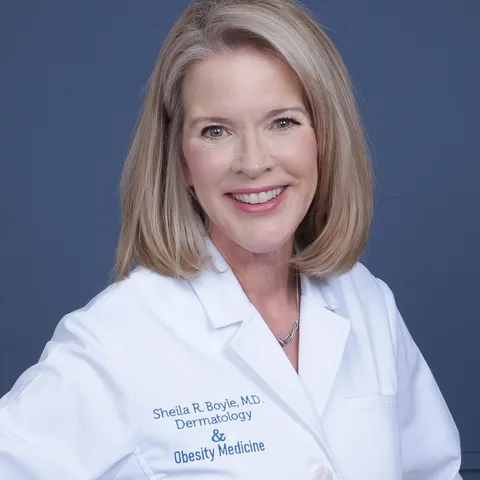
A solo direct-pay practice in Lone Tree whose stated scope is dermatology, cosmetic procedures and medically supervised weight management. The physician is board certified in dermatology and obesity medicine. Every initial visit is by video, with in-person follow-ups by appointment, and the practice does not bill insurance. Hormone replacement therapy is named only as one reason for a new-patient visit on the fee schedule, and no hormone or menopause care is described anywhere else on the site.
Nurture Gynecology and Wellness is a direct care practice in Wadsworth, and Dr. Holmes Mason is the only clinician the site names. She trained in restorative reproductive medicine, and her care starts with cycle charting, functional testing, nutrition and lifestyle measures before a plan adds prescriptions, supplements or mind-body therapies. The services she lists run from normalizing cycles and PMS through perimenopause and menopause, and also cover PCOS, infertility and pregnancy loss prevention. New patients book a short discovery call with her first and schedule a first appointment after that. Ongoing care runs on a monthly membership that covers follow up visits, portal messaging and text or phone access, with a pay by visit option for people who need only occasional follow up. Nothing on the site names a hormone medicine, so what she uses for menopause is not published.
Concierge Medicine of Westlake is Dr. Fiffick's own practice. She keeps the patient panel small and runs it on annual memberships rather than billing insurance. The women's health membership covers non-obstetric care through midlife, with perimenopause and menopause symptom management alongside bone health, cardiovascular risk and urogenital health, and it includes hormone prescription management when she judges it appropriate. Members get 30 or 60 minute visits, same or next day openings, and her direct phone, text and email, and virtual visits are offered as a supplement with prior approval when an exam is not needed. She came to women's health through family medicine after being told early on that the only route was OB-GYN, then spent two years in the Cleveland Clinic's Specialized Women's Health fellowship. As an osteopathic physician she also does hands-on manipulative treatment, which patients can buy as its own membership or one visit at a time.
Dr. Anyaoku founded Hibiscus Aesthetics and Wellness in Katy and is the only clinician there. Hormone care starts with a wide lab panel rather than a symptom questionnaire, and she orders markers like free T3, DHEA-S and fasting insulin that a standard physical skips. She prescribes bioidentical hormones as patches, creams, injections or pills, and no page on the site mentions pellets. She is also a diplomate of the American Board of Obesity Medicine, so weight and hormone questions get handled in the same visit. Aesthetic treatments happen in person at the Katy clinic, while hormone, weight and longevity care can be done by video in 23 states. You pay per visit and there is no membership or package.
IntimMedicine Specialists is a small Washington DC practice that Dr. Simon founded and still runs as medical director, with two physician assistants who have worked with him since the 1990s. He treats women across the whole reproductive span, and the midlife side of the practice covers menopause and perimenopause, low testosterone, bone loss, sexual pain and sexual function after cancer. His approach to hormones is to balance estrogen, progesterone and testosterone, and the practice says most women can use hormone therapy with few risks. For testosterone he will use gels, injections or pellets, and he says he does not treat on lab values alone. Visits happen in the M Street office or by video, and virtual appointments are offered on Saturday mornings as well as weekdays. New patients submit a form or call and the office rings back to finish booking, and because the practice runs its own clinical trials some patients are offered a place in a study.
Gliss Wellness is a virtual-only OB/GYN practice Dr. Walsh co-founded with a second board-certified OB/GYN, and menopause care is its main focus. Care starts with a 30-minute video consultation about your symptoms, and if hormone therapy suits you, you leave with prescriptions for the first three months. A follow-up at three months keeps refills going for the rest of the year, and refills in between happen by message through the patient portal. There is no membership, and you fill prescriptions at your own pharmacy. The doctors can't examine you in person but can order labs and other tests. Dr. Walsh's own interests include pelvic pain, endometriosis, fibroids and weight loss, and a free 15-minute call lets you meet the team before booking.
Dr. Gevas is an OB-GYN who is also board certified in obesity medicine, and she sees Gennev patients by video. Her bio says her focus is menopause and weight management, using lifestyle help alongside medical treatment. Gennev's weight programme starts with a dietitian visit and then a doctor visit, and its doctors can prescribe GLP-1 medicines where they fit. She holds a nursing master's degree as well as her medical training. Her page lists licences in North Carolina and Ohio. Away from work she does woodworking and gardening, and she cans her own food.
Kellie Greene is one of only two providers at One Medical's Dublin office in the Bridge Park loop, which One Medical runs in collaboration with the Ohio State University Wexner Medical Center. She spent more than 20 years in direct patient care before her nine years as a nurse practitioner in family practice, and she sees patients of all ages. Her own stated clinical interests are paediatrics, preventive care and women's health. One Medical names menopause among the women's health issues its primary care providers handle, but no page on the site says what it prescribes for it. The office keeps drop-in lab hours, takes bookings online without a membership, and lists her by name with her own appointment times.
Beyer is a Midi clinical leader and sits on the company advisory board, and she still sees patients by video. She trained in obstetrics and gynaecology, then dropped obstetrics to work on gynaecology and hormonal health only. Weight is her second focus and she holds a diplomate from the American Board of Obesity Medicine. She talks openly about gaining weight before her 50th birthday and losing 35 pounds over five months, and she uses that with patients who are struggling. Care runs through Midi only, so visits are by video and anything needing an exam or imaging goes to an outside clinician. Her page has no booking link of her own, so the Midi sign-up does not let a new patient choose her by name.
Takes Aetna, Blue Cross Blue Shield +2 · first visit $250
Jennifer Soper is a women's health nurse practitioner who sees patients by video through Midi Health, a national virtual menopause practice. She spent 25 years as a labor and delivery nurse before becoming a nurse practitioner. She says estrogen therapy changed her own life when hot flashes started at 50, and that is why she moved into menopause care. Visits are billed to insurance or paid per visit, with no subscription. You can ask for her by name through the Book a Visit with Me link on her Midi page, though that can mean fewer open times than booking with any clinician.
Stephanie Hawkins sees patients through Midi Health, a national virtual clinic for perimenopause and menopause. Every visit is by video, and Midi's site names her on its clinician list with her own bio. She has been a nurse since 1992 and a nurse practitioner since 1996, and she is certified in both family practice and women's health. She became a Certified Menopause Practitioner because she saw midlife as one of the hardest stretches in women's lives. Midi starts with a half-hour first visit and books short follow-ups as often as needed. Care plans can include hormone and non-hormone prescriptions, labs, and weight medication, and video visits have to happen while you are in your home state.
Far Hills OB/GYN is a seven-physician group with two offices on Far Hills Avenue in Washington Township, south of Dayton. The practice runs pregnancy care and general gynecology side by side, and its service list includes menopausal evaluation and treatment along with counseling on hormone options. Kennebeck joined the group in 2005, after medical school at the Uniformed Services University and a residency based at Travis Air Force Base in California. Care is in person, with the practice's own lab for blood draws and ultrasound done in the office, and new patients fill in registration and history forms before a first visit. For vaginal and urinary changes after menopause the office offers the MonaLisa Touch laser, done over three sessions with a yearly maintenance treatment. Patients quoted on the practice's own site mention seeing her for ten years or more.
Women's Integrative Medicine OB/GYN is a five clinician practice in Westerville that runs obstetrics and gynecology together and describes its own approach as integrative. Its menopause page says the team builds a treatment plan using hormone replacement therapy and integrative medicine options. Carey spent sixteen years in labor and delivery at Mount Carmel St. Ann's before she qualified as a nurse practitioner, and she still takes low risk pregnancy care alongside well woman visits and general gynecologic concerns. Her own page says she works closely with the practice physicians and names patient education and preventative wellness care as her interest. The About page also points patients to a branded supplement line it calls hormone therapy supplements. New patients sign up for the portal, download their forms there and arrive fifteen minutes early for the first visit.
Dr. Thacker directs Cleveland Clinic's Center for Specialized Women's Health on the main campus, and the department she heads there is named for menopause. The center works as one interdisciplinary clinic, so gynecology, endocrinology, psychiatry and breast specialists see women in the same place. Her own write-up says the focus is menopausal and hormone risk assessment and therapy, and the center's service list names menopausal hormone therapy, osteoporosis treatment including yearly infusions, and medical treatment of urine leakage. She writes at length about FDA approved pelvic floor stimulator devices that are custom fit and can be used at home in place of surgery or medication. The center also offers shared medical appointments, where up to fifteen women with similar problems spend about ninety minutes with a physician together instead of a short one on one visit. She wrote the Cleveland Clinic Guide to Menopause and runs the Speaking of Women's Health education program and podcast.
Online Benign Gyne is Dr. Todd's own telehealth practice, and every visit happens by video. She sees women for contraception, breast concerns, vaginal and vulva problems, menopause and facial skin care, and consultations and referrals are part of what she offers. Her site carries long plain-language explainers on hormone therapy, PCOS, urinary infections and breast exams. She is a New Orleans native and a military veteran who served during Operation Desert Storm and later at Walter Reed Medical Center. She says she especially enjoys caring for older women because she has faced the same changes herself. New patients can pick a video slot through the practice's own online scheduler.