182 practitioners have an office in Ohio, and 83 more can see patients here by telehealth. 191 of them are certified by the Menopause Society, and the most are in Cincinnati, Columbus and Cleveland.
IntimMedicine Specialists is a small Washington DC practice that Dr. Simon founded and still runs as medical director, with two physician assistants who have worked with him since the 1990s. He treats women across the whole reproductive span, and the midlife side of the practice covers menopause and perimenopause, low testosterone, bone loss, sexual pain and sexual function after cancer. His approach to hormones is to balance estrogen, progesterone and testosterone, and the practice says most women can use hormone therapy with few risks. For testosterone he will use gels, injections or pellets, and he says he does not treat on lab values alone. Visits happen in the M Street office or by video, and virtual appointments are offered on Saturday mornings as well as weekdays. New patients submit a form or call and the office rings back to finish booking, and because the practice runs its own clinical trials some patients are offered a place in a study.
Gliss Wellness is a virtual-only OB/GYN practice Dr. Walsh co-founded with a second board-certified OB/GYN, and menopause care is its main focus. Care starts with a 30-minute video consultation about your symptoms, and if hormone therapy suits you, you leave with prescriptions for the first three months. A follow-up at three months keeps refills going for the rest of the year, and refills in between happen by message through the patient portal. There is no membership, and you fill prescriptions at your own pharmacy. The doctors can't examine you in person but can order labs and other tests. Dr. Walsh's own interests include pelvic pain, endometriosis, fibroids and weight loss, and a free 15-minute call lets you meet the team before booking.
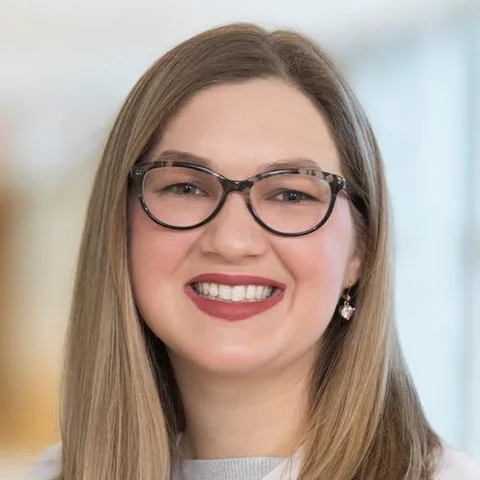
Dr. Gevas is an OB-GYN who is also board certified in obesity medicine, and she sees Gennev patients by video. Her bio says her focus is menopause and weight management, using lifestyle help alongside medical treatment. Gennev's weight programme starts with a dietitian visit and then a doctor visit, and its doctors can prescribe GLP-1 medicines where they fit. She holds a nursing master's degree as well as her medical training. Her page lists licences in North Carolina and Ohio. Away from work she does woodworking and gardening, and she cans her own food.
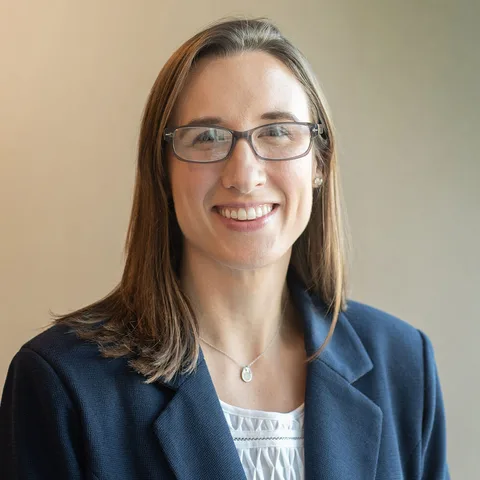
Beyer is a Midi clinical leader and sits on the company advisory board, and she still sees patients by video. She trained in obstetrics and gynaecology, then dropped obstetrics to work on gynaecology and hormonal health only. Weight is her second focus and she holds a diplomate from the American Board of Obesity Medicine. She talks openly about gaining weight before her 50th birthday and losing 35 pounds over five months, and she uses that with patients who are struggling. Care runs through Midi only, so visits are by video and anything needing an exam or imaging goes to an outside clinician. Her page has no booking link of her own, so the Midi sign-up does not let a new patient choose her by name.
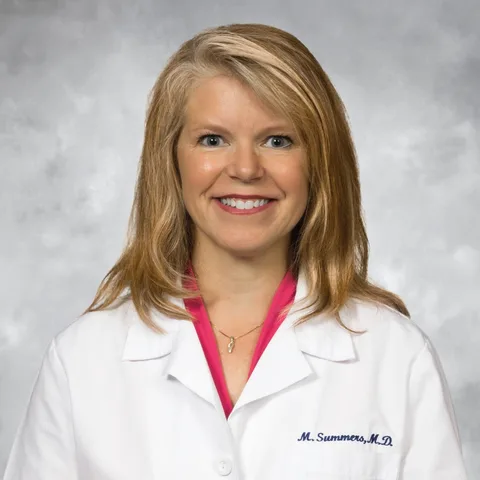
Far Hills OB/GYN is a seven-physician group with two offices on Far Hills Avenue in Washington Township, south of Dayton. The practice runs pregnancy care and general gynecology side by side, and its service list includes menopausal evaluation and treatment along with counseling on hormone options. Kennebeck joined the group in 2005, after medical school at the Uniformed Services University and a residency based at Travis Air Force Base in California. Care is in person, with the practice's own lab for blood draws and ultrasound done in the office, and new patients fill in registration and history forms before a first visit. For vaginal and urinary changes after menopause the office offers the MonaLisa Touch laser, done over three sessions with a yearly maintenance treatment. Patients quoted on the practice's own site mention seeing her for ten years or more.
Dr. Thacker directs Cleveland Clinic's Center for Specialized Women's Health on the main campus, and the department she heads there is named for menopause. The center works as one interdisciplinary clinic, so gynecology, endocrinology, psychiatry and breast specialists see women in the same place. Her own write-up says the focus is menopausal and hormone risk assessment and therapy, and the center's service list names menopausal hormone therapy, osteoporosis treatment including yearly infusions, and medical treatment of urine leakage. She writes at length about FDA approved pelvic floor stimulator devices that are custom fit and can be used at home in place of surgery or medication. The center also offers shared medical appointments, where up to fifteen women with similar problems spend about ninety minutes with a physician together instead of a short one on one visit. She wrote the Cleveland Clinic Guide to Menopause and runs the Speaking of Women's Health education program and podcast.
Online Benign Gyne is Dr. Todd's own telehealth practice, and every visit happens by video. She sees women for contraception, breast concerns, vaginal and vulva problems, menopause and facial skin care, and consultations and referrals are part of what she offers. Her site carries long plain-language explainers on hormone therapy, PCOS, urinary infections and breast exams. She is a New Orleans native and a military veteran who served during Operation Desert Storm and later at Walter Reed Medical Center. She says she especially enjoys caring for older women because she has faced the same changes herself. New patients can pick a video slot through the practice's own online scheduler.
Dr. Dombo is a board-certified OB-GYN who is going through the menopausal transition herself. She says starting hormone therapy and changing her nutrition and supplements took her from exhaustion and poor sleep back to enjoying life, and that is why she does this work. She trained in the early 2000s, when hormone therapy was widely feared, and now calls it the gold standard for symptom relief. The first visit runs 60 minutes and covers medical and gynecologic history, medications, nutrition and exercise, then a personal treatment plan. The visit also lists a nutritionist assessment, an exercise plan and mindset coaching, and follow-ups run 25 minutes. She writes publicly about why menopause hits Black women harder and how often they face barriers to care.
Winston is a board certified obstetrician gynaecologist at Boston Medical Center. She sees patients at two sites, the main Boston campus on Harrison Avenue and BMC Brighton. Her hospital listing places her in obstetrics and gynaecology along with labour, delivery and postpartum care, so her published work includes deliveries and not only office gynaecology. Boston Medical Center publishes nothing about menopause, perimenopause or hormone therapy for her, and her profile carries no specialties list at all, while a colleague at the same Harrison Avenue office does list menopause. Her menopause certification from The Menopause Society is current, but her employer's site gives no sign that she offers menopause care. She trained in obstetrics and gynaecology at Marshall University in West Virginia after earning her osteopathic degree in Tennessee.