Menopause Society Certified Practitioners in Pennsylvania
199 practitioners have an office in Pennsylvania, and 94 more can see patients here by telehealth. 209 of them are certified by the Menopause Society, and the most are in Philadelphia, Pittsburgh and Allentown.
Dr. Hertel runs a virtual-only practice focused on perimenopause, menopause and midlife care, with every visit held inside a secure patient portal. She is a family physician going through the menopause transition herself, and says that experience is what drew her to this work. She prescribes FDA-approved hormone therapy sent to your local pharmacy and does not use estrogen or testosterone pellets. The practice also offers medication-supported weight care and help with low libido and painful sex. It does not do Pap smears, pelvic exams or primary care, so you keep your own doctor and gynecologist for screenings. New patients start with a free 15-minute discovery call, and people outside her licensed states can book an educational visit that ends with a written plan but no prescriptions.
Therapy for Midlife is Dr. Rashkis's solo virtual practice, and every session runs over video. She works with women moving through perimenopause and menopause, and she also sees men in midlife and couples. Care is talk therapy only, and the FAQ says the practice does not prescribe medication, though she will discuss a referral to a prescribing physician and can speak with your own doctor if you give written permission. For menopause she uses cognitive behavioral therapy for the distress that comes with hot flashes and CBT for insomnia for sleep trouble, alongside acceptance and commitment therapy and emotionally focused therapy. Sessions are 50 minutes, usually weekly at first and then spaced further apart, and she says most clients need five to fifteen of them. She is a lifelong competitive athlete who says she went through her own midlife upheaval, which is what led her to start the practice.
She founded this functional medicine clinic in Largo and is also an emergency medicine physician with more than 18 years in clinical practice. Menopause and perimenopause care sits alongside men's hormone care, weight management and longevity services. New patients start with a short discovery call, then a full lab panel before the first visit with a provider. Women who still have periods are asked to time the blood draw to days 19 to 21 of their cycle. Hormone therapy here uses bioidentical hormones guided by lab work and genomic testing. The practice does not bill insurance, and visits happen in the office or by video.
Dana Johnson is a registered nurse who spent about 20 years in the ICU before founding Qavah Functional Wellness, a telehealth-only practice. She started it after her own Long COVID turned into autoimmune and gut problems and then a hard menopause transition. Hormone therapy is offered to Alabama residents only, while the lab and gut health services also reach a few other southern states. Each hormone plan starts with lab work and a consultation, and bioidentical hormones come as creams, gels, pills, troches or injections. Prescriptions are written by the practice's licensed providers rather than by Dana, who is a nurse. New patients start with an online consultation request, and the team calls back within one business day.
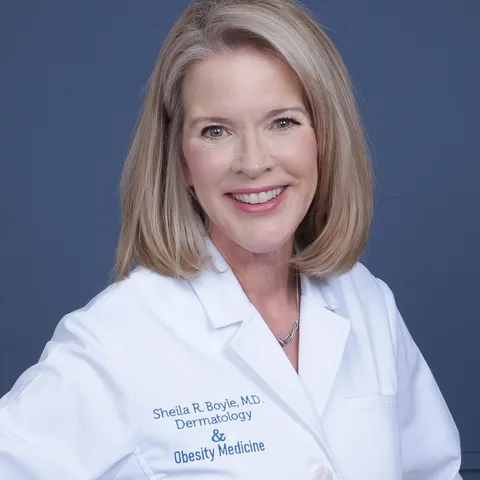
A solo direct-pay practice in Lone Tree whose stated scope is dermatology, cosmetic procedures and medically supervised weight management. The physician is board certified in dermatology and obesity medicine. Every initial visit is by video, with in-person follow-ups by appointment, and the practice does not bill insurance. Hormone replacement therapy is named only as one reason for a new-patient visit on the fee schedule, and no hormone or menopause care is described anywhere else on the site.
Jennifer King-Wilson founded King Health and runs it as a cash-pay practice for women in perimenopause and after. Care is built around metabolic health, and the first visit runs long, with an in-office body composition scan, lab work and a short memory test before any plan is written. Hormone therapy sits alongside medical weight loss, and GLP-1 medication is one of the options on the table. Patients over 40 have to supply a mammogram from within the past year before hormones will be prescribed, and they are expected to keep their own primary care provider for routine screening. Visits are in person only, so patients from other states have to travel to Harrisburg to be seen. The clinic sits on the second floor above an aesthetics medspa and has said it is moving to a larger Harrisburg location.
Dr Adegbola runs a one-office lifestyle medicine practice in King of Prussia and sees patients in person or by video. She says plainly that she does not do primary care or urgent care, so she works alongside whoever already handles that for you. Hormone care here is bioidentical estrogen, progesterone and testosterone, and she builds the plan from lab panels and body composition data. She also runs a medical weight loss track using GLP-1 medications and a gut health program built on stool and food sensitivity testing. She trained as a physician-scientist and says the metabolic shifts she noticed in her own mid-30s are what pushed her toward this work. New patients start with a consultation and can then pay per visit or join a monthly membership that adds short visits and messaging access in between, though women on Medicare can be seen but cannot join a membership.
Seashore MD is Dr. Smolinsky's solo gynecology office in Little Silver, set up around the perimenopausal and menopausal years. She looks for the root cause of symptoms first and builds a plan from there, and she uses non-hormonal treatment as well as hormones. Hormone therapy comes in several forms, including pills, patches, creams, gels and EvexiPEL bioidentical pellets inserted in the office. She also treats the physical changes that come with menopause, such as bone and muscle loss, painful sex and repeat bladder infections, and she uses an Emsella chair for pelvic floor weakness and leaks. Visits can be virtual or in person, and the office draws its own blood work through an on-site Quest technician and runs ultrasounds twice a month. Dr. Smolinsky was born and raised in Israel and sees patients in Hebrew as well as English.
Dr. Anyaoku founded Hibiscus Aesthetics and Wellness in Katy and is the only clinician there. Hormone care starts with a wide lab panel rather than a symptom questionnaire, and she orders markers like free T3, DHEA-S and fasting insulin that a standard physical skips. She prescribes bioidentical hormones as patches, creams, injections or pills, and no page on the site mentions pellets. She is also a diplomate of the American Board of Obesity Medicine, so weight and hormone questions get handled in the same visit. Aesthetic treatments happen in person at the Katy clinic, while hormone, weight and longevity care can be done by video in 23 states. You pay per visit and there is no membership or package.
Healthy You is a direct care practice Dr. Borensztein opened in Collingswood in 2024, and menopause care sits alongside her thyroid, diabetes and weight work. New patient visits run 60 to 90 minutes and have to be in person at the Collingswood office, after which follow-ups can be virtual. She uses FDA-approved bioidentical estrogen and progesterone, adds testosterone when it is indicated, and offers non-hormonal options for women who cannot or would rather not take hormones. Bone health and cardiovascular risk are handled inside the menopause plan rather than sent elsewhere, and she is also board certified in obesity medicine, so menopause weight change gets treated as a metabolic problem. Members get her direct line for texting and unlimited visits. She went to medical school in Buenos Aires, where her family is from, and speaks Spanish.
Gliss Wellness is a virtual-only OB/GYN practice Dr. Walsh co-founded with a second board-certified OB/GYN, and menopause care is its main focus. Care starts with a 30-minute video consultation about your symptoms, and if hormone therapy suits you, you leave with prescriptions for the first three months. A follow-up at three months keeps refills going for the rest of the year, and refills in between happen by message through the patient portal. There is no membership, and you fill prescriptions at your own pharmacy. The doctors can't examine you in person but can order labs and other tests. Dr. Walsh's own interests include pelvic pain, endometriosis, fibroids and weight loss, and a free 15-minute call lets you meet the team before booking.
Gennev is an all-virtual menopause clinic owned by Unified Women's Healthcare, and care starts with a 30 minute video visit with a menopause-trained doctor. Dunsmoor-Su is Gennev's chief medical officer and she also carries her own patient list. The areas she names herself include premature ovarian insufficiency, breast cancer risk and survivorship, endometriosis, and weight management with medication. Her background is clinical epidemiology, and she still runs women's health drug trials as a medical director at a Seattle research centre and teaches OB-GYN residents. She says she treats each visit as a chance to explain the current evidence so the decision about treatment is a shared one. Doctors here prescribe FDA-approved hormone therapy when a patient is a candidate and non-hormonal medicines when she is not, and the clinic tells patients to steer clear of compounded weight drugs made outside FDA oversight.
Beyer is a Midi clinical leader and sits on the company advisory board, and she still sees patients by video. She trained in obstetrics and gynaecology, then dropped obstetrics to work on gynaecology and hormonal health only. Weight is her second focus and she holds a diplomate from the American Board of Obesity Medicine. She talks openly about gaining weight before her 50th birthday and losing 35 pounds over five months, and she uses that with patients who are struggling. Care runs through Midi only, so visits are by video and anything needing an exam or imaging goes to an outside clinician. Her page has no booking link of her own, so the Midi sign-up does not let a new patient choose her by name.
Barbara Dougherty is a nurse practitioner at YoungerMeMD, a hormone and longevity practice in Conshohocken. The monthly membership is charged on top of the cost of treatment and does not include medication. The intake fee covers baseline lab work, which is drawn at Quest only and needs 8 to 12 hours of fasting. Beyond hormone care the practice also offers peptides, low dose naltrexone and rapamycin.
Dr. Groysman is an endocrinologist at Penn Medicine's Bucks County office in Yardley, and she sees patients 18 and up. Penn lists menopause hormone therapy among the treatments she provides, and her conditions run from osteoporosis and thyroid disease to weight and metabolic health. Her endocrine training shows in the workup, and she screens heart, bone and metabolic markers rather than treating symptoms alone. She is certified in clinical densitometry, so bone density is her own territory. Away from the clinic she writes a large patient education library, where she walks readers through the Women's Health Initiative data and says plainly why she discourages vaginal laser rejuvenation. She keeps that site separate from care and tells readers it is for general questions, not medical advice.
Winona is a virtual menopause practice that works entirely through secure messaging, with no video or phone appointments at all. Hormone therapy comes as body creams, vaginal creams, pills and patches, and most of it is compounded in two pharmacies Winona owns. The company says plainly that it does not prescribe testosterone and does not prescribe hormone pellets. Treatment is limited to women aged 35 to 59, so a woman older than that cannot be prescribed hormone therapy here. Brown is Winona's medical director and medical reviewer rather than one of its prescribing physicians, and she hosts the company podcast and monthly patient webinars. New patients join a queue and are matched with a doctor licensed in their state, so signing up does not let a patient choose her by name.
Dr. Sharma runs a small direct primary care practice in north Wilmington, seeing patients 13 and up on a monthly membership rather than billing insurance. Women's health is her stated focus, from menstrual problems and fertility through postpartum and menopause including hormone therapy, alongside ordinary primary care for thyroid disease, diabetes and blood pressure. The first visit runs about 90 minutes and ends with a care plan, and after that members reach her directly by text, phone, video or office visit, with same or next day openings. She trained in family medicine, then did an integrative medicine fellowship at the Andrew Weil Center, and she works on nutrition, sleep, movement and stress first, using prescriptions, herbs and supplements as needed. Her yoga and Ayurveda training shapes a lot of that, and the membership includes workshops and cooking classes for families. The patient panel is full right now, so new patients sign up to be told when appointments open.
Dr. Maher is a general OB-GYN at Carilion's Riverside women's clinic in Roanoke who also holds the Menopause Society certification. She sees women through perimenopause and menopause alongside routine gynaecology, and chronic pelvic pain is one of the conditions she lists. Before coming to Carilion she spent eight years in private practice in Philadelphia. She also teaches medical students at the Virginia Tech Carilion School of Medicine. Her profile says she is accepting new patients, and a new patient starts by calling the office rather than booking online, because Carilion's online scheduling covers existing patients only. Carilion's site lists the conditions she treats but does not say what she prescribes for menopause.
Glow Health is a solo virtual practice run by Andrea Martin, DNP, CRNP, WHNP, MSCP, for women in Pennsylvania, New Jersey, Maryland and Delaware. Care begins with a lab review built around each patient's results, then continues as a six-month menopause program or an ongoing membership, with direct messaging between visits. She also treats pelvic pain and pelvic floor problems, runs a metabolic program for weight, and prescribes vaginal estradiol through a short online intake for women who need only that.
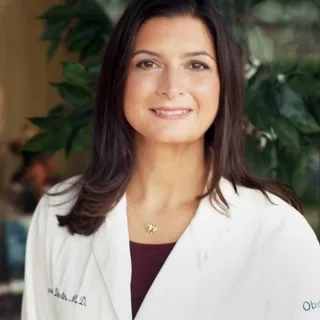
Jeanine Grillo Devlin, MD is an obstetrician-gynecologist at Kramer OB/GYN and Associates, a Redeemer Health practice, seeing patients on Bustleton Avenue in Philadelphia and in Huntingdon Valley. She is a Menopause Society Certified Practitioner with more than 24 years in practice, and offers hormonal, non-hormonal and lifestyle treatment for menopause. Menopause management is one service line in a practice that also provides obstetric and general gynecologic care.
Winston is a board certified obstetrician gynaecologist at Boston Medical Center. She sees patients at two sites, the main Boston campus on Harrison Avenue and BMC Brighton. Her hospital listing places her in obstetrics and gynaecology along with labour, delivery and postpartum care, so her published work includes deliveries and not only office gynaecology. Boston Medical Center publishes nothing about menopause, perimenopause or hormone therapy for her, and her profile carries no specialties list at all, while a colleague at the same Harrison Avenue office does list menopause. Her menopause certification from The Menopause Society is current, but her employer's site gives no sign that she offers menopause care. She trained in obstetrics and gynaecology at Marshall University in West Virginia after earning her osteopathic degree in Tennessee.
Stephanie Almeida, DO is a board-certified obstetrician-gynecologist at Jefferson OB/GYN Mayfair, a Jefferson Health practice on Frankford Avenue in Philadelphia, formerly Einstein OB/GYN Associates. Her provider page lists menopause, perimenopause and vaginal dryness among the conditions she treats and hormone replacement therapy among her treatments. She practices full-scope obstetrics and gynecology, with a stated interest in high-risk pregnancy and irregular cycles including PCOS, and also sees patients at the Lawndale and Paley offices.
Dr. Doherty is a family physician with Penn Medicine Lancaster General Health who sees patients of all ages at her Queen Street office in Lancaster. She is certified by the Menopause Society, so midlife hormone care sits inside her regular primary care practice rather than a separate clinic. She also holds certifications in lifestyle medicine and HIV medicine. Her stated approach is to learn each patient's values and priorities and make decisions together, since the right choice is rarely the same for everyone. New patients can book a first visit online through the health system's scheduling page.