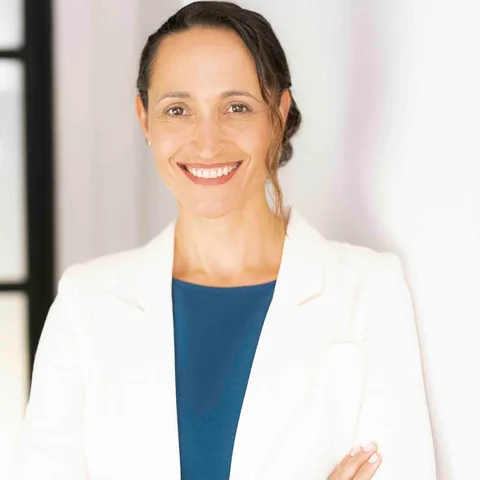
Rose Medical is Ruby Rose's solo integrative and functional medicine practice in north Austin, now housed inside the Breast and Body Center of Austin. She spent years as an emergency physician, including work as a flight physician during residency, before a serious car accident and her own misdiagnosed perimenopause sent her to train with Andrew Weil and the Institute for Functional Medicine. Care runs as programs rather than single visits. Most people start with a sixty minute virtual Focused Health Case Review that gives a working diagnosis and lab recommendations, and the six month program adds functional labs, a supplement plan, genomic testing and prescription management that includes hormone replacement therapy. Before starting hormones she screens for cardiometabolic disease and uses a DUTCH urine metabolite test, because she wants to know how a patient is converting estrogen first. She is not a primary care practice and expects every client to keep their own primary care provider.
Her office is an Ascension Seton women's health clinic on West 34th Street in Austin that was an independent group called Women Partners in Health before it joined Ascension. The group dates to 1985 and now has more than a dozen clinicians including midwives and nurse practitioners, so obstetrics and delivery are a large part of what it does. The clinic's own services page says a Menopause Society certified practitioner is on the care team, and she is one of two at that office. Her bio puts nutrition next to menopause care in what she focuses on, and she holds a master's degree in nutrition along with a certificate in plant based nutrition. The office does not offer video visits, so appointments happen in person.
Dr. Freeman runs her own concierge family medicine clinic in downtown Austin and puts hormone care for menopausal and peri-menopausal women at the front of it. She is a member of The Menopause Society and books 45 to 60 minute hormone consultations so there is time to go through a patient's questions. Hormone care is guided by symptoms as much as by blood or saliva levels, and the clinic also treats low testosterone in women with injections, gels or creams, and subdermal pellets. It is a membership clinic rather than one that bills insurance, and members get a yearly physical, a monthly B12 injection and lab draws in the office. Dr. Freeman is an osteopathic physician who does hands on manipulation, still makes house calls, and recommends a full body treatment four times a year. She grew up surfing the Texas coast and bikes to and from the clinic.
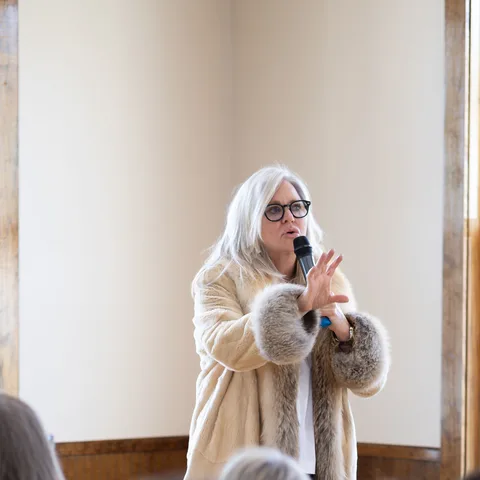
Dr. Chalasani is an Austin OB/GYN who has run a private practice for more than 25 years. The PausetiveMD website is for her in-person menopause seminars, not for her clinic. At a seminar a small group of women spends a morning with her going over hormone science, symptoms and hormonal and non-hormonal treatment options, and each woman leaves with a written list of options. She says she is 58 and has been through most menopause symptoms herself. The site does not say how to become her patient.
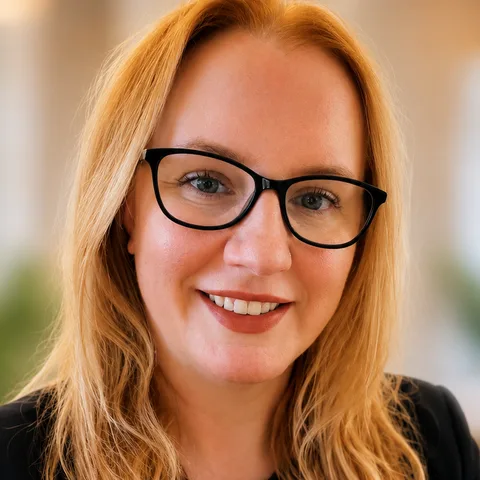
A psychiatry practice built around reproductive and women's mental health across the lifespan, from puberty through menopause, alongside general adult psychiatric care for anxiety, depression, ADHD, obsessive-compulsive disorder, bipolar disorder and trauma. Care is given in person in Austin or by video in Texas and California, on an insurance-based model with a small team of a psychiatrist, a physician assistant and two psychiatric nurse practitioners. Menopause work is framed psychiatrically. She judges where a patient is in her hormonal transition and weighing menopausal hormone therapy, antidepressants or both, with nutrition, supplement and sleep guidance alongside. The founder holds a perinatal mental health certification and further training in perimenopausal mental health.
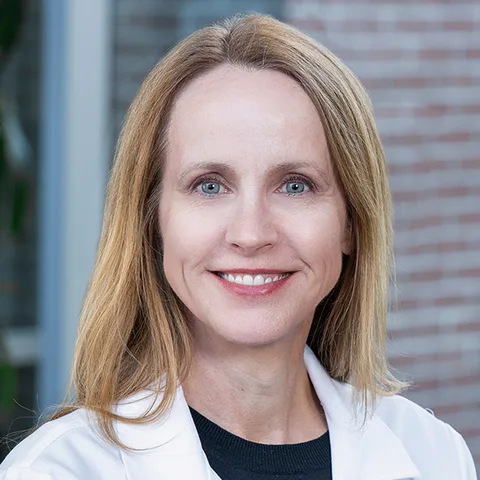
Laura Meritt is a gynecologist at Ascension Medical Group Seton Women's Health Northwest in Austin, a four provider office she shares with another gynecologist, a nurse practitioner and a physician assistant. Her Ascension bio says the practice provides treatments to help manage menopause symptoms and hormonal imbalance. Two gynecology colleagues at other Seton women's health offices have bios naming prenatal care and surgery instead, so that sentence is hers rather than template text. She practices gynecology rather than obstetrics, and her bio centers on breast, pap and thyroid screenings, irregular periods and uterine fibroids. Ascension Seton describes menopause management across its women's health service as hormone replacement therapy or non hormonal medication, with lifestyle guidance and screening alongside. Appointments at her office are made by phone, and her profile shows her as accepting new patients.