Menopause Specialists Who Accept Insurance in Utah
68 practitioners have an office in Utah, and 76 more can see patients here by telehealth. 102 of them are certified by the Menopause Society, and the most are in Salt Lake City, Draper and Layton.
Takes Blue Cross Blue Shield, Cigna +8 · first visit $275
Toun Sogbein is a women's health nurse practitioner with Visana Health, a women's health practice that works entirely by video out of Minneapolis. She handles menopause and perimenopause along with the gynecological and sexual health problems that often sit alongside them, and she came to this work from public health clinics and a community health degree. First visits run 45 minutes, and patients stay with the same provider and can message the care team through the patient portal between visits. Visana's menopause care follows protocols written by Dr. Barbara Levy, and a patient can go the hormone route or a non-hormonal one after talking it through. Labs and imaging get ordered near home when they are needed, and optional health coaching covers food and exercise for anyone who wants that support. Many patients reach Visana through an employer or health plan, and the site has a start page where you look up yours.
Danielle Pendergrass runs a small women's health clinic in Price, in the county where she grew up. Her services list includes hormonal consults, menopause management, hormone replacement therapy, and osteoporosis screening and management. The clinic also treats urinary incontinence and has a bladder program. It does general primary care as well and sees men too. The practice says it turns no one away for inability to pay and offers discounts based on income. There is an in-house mental health therapist, and new patients fill out intake forms through the patient portal.
Takes Aetna, Blue Cross Blue Shield +2 · from $58/mo
Kristen Santana is the women's health nurse practitioner at Functional Medicine of Idaho, a clinic with locations in Boise, Meridian and Eagle. She works out of the Boise clinic and lists menopause care as a main focus. The clinic combines functional medicine with conventional care. Patients can book women's health visits themselves online, and virtual visits are open to new patients in several western states.
Shook is a registered dietitian nutritionist at Gennev, a menopause clinic that works entirely by video. This is nutrition and exercise work rather than prescribing, and the clinic's doctors are the ones who handle medication. Gennev's dietitians cover food, movement, sleep and supplements, and they share notes with the gynaecologist seeing the same patient. His stated focus is weight management and body composition, with cardiometabolic health and resistance training to preserve muscle, and he has published research on resistance training and women's health. For general menopause care a doctor refers you to the dietitian, but the weight management track lets you self-refer and start with the dietitian intake. A typical course of care runs every two to three weeks for at least three months, with unlimited messaging between visits.
Andrea Driggs is a women's health nurse practitioner at Valley Women's Health, a large OB/GYN group with offices across Utah. She sees patients at the group's Provo Physician's Plaza office, and the practice offers both in-office and telehealth visits. Menopause care there is part of regular gynecology, and the practice lists hormone replacement therapy among its menopause services along with incontinence and prolapse care. She has worked as a labor and delivery nurse at Utah Valley Regional Medical Center since 1997 and as a nurse practitioner since 2012. She speaks English and Spanish.
Brenna Becker is a family nurse practitioner in the Midlife Women's Health and Menopause Program at University of Utah Health, and the recent patient comments on her profile place her at the Madsen Health Center. She came to midlife care from fertility medicine, after eight years at the Utah Center for Reproductive Medicine and before that the reproductive endocrine and infertility division at the University of Massachusetts Medical Center. She still holds a Reproductive Health and Infertility subspecialization alongside her menopause certification. The program is multidisciplinary, so hormone and non-hormone treatment sits alongside pelvic floor therapy, sex therapy, bone health and nutrition programs run by other members of the team. A first midlife visit runs 40 to 60 minutes, and the clinic asks you to keep a symptom diary for a few weeks beforehand and bring the dates of your last mammogram, Pap smear and bone density scan. Her bio says she builds care around active listening and honoring how women describe their own bodies.
Angela Jones handles menopause and hormone care at Phase II Center for Women's Health, a gynecology and pelvic health clinic in Millcreek run by an all-female team. The clinic does no obstetrics, so appointments are not bumped for deliveries. Before moving into women's health she worked in emergency medicine and critical care. She prescribes both bioidentical and conventional hormone therapy, offers non-hormonal options, and keeps an eye on bone and heart health after menopause. She also covers routine gynecology like annual exams and contraception, and a gynecologic surgeon in the same office sees bladder and prolapse problems. The clinic bills insurance, and visits are booked by phone.
Takes Aetna, Blue Cross Blue Shield +4 · first visit $150
Kelly Perisin is a nurse practitioner at MyMenopauseRx, a video-only practice that treats nothing but perimenopause and menopause. It was started by a Chicago-area gynecologist and bills insurance like a regular office. Visits take about 30 minutes on Zoom, and you can book the same clinician every time and message the care team between visits. Kelly came to menopause care from weight management and urgent care, and she draws on that when helping women with midlife weight gain. The practice prescribes FDA-approved estradiol and progesterone sent to your own pharmacy, and it prescribes testosterone directly only for patients in Illinois. It is meant to work alongside your own primary care doctor, who still handles anything that needs a physical exam.
Gennev is an all-virtual menopause clinic owned by Unified Women's Healthcare, and care starts with a 30 minute video visit with a menopause-trained doctor. Dunsmoor-Su is Gennev's chief medical officer and she also carries her own patient list. The areas she names herself include premature ovarian insufficiency, breast cancer risk and survivorship, endometriosis, and weight management with medication. Her background is clinical epidemiology, and she still runs women's health drug trials as a medical director at a Seattle research centre and teaches OB-GYN residents. She says she treats each visit as a chance to explain the current evidence so the decision about treatment is a shared one. Doctors here prescribe FDA-approved hormone therapy when a patient is a candidate and non-hormonal medicines when she is not, and the clinic tells patients to steer clear of compounded weight drugs made outside FDA oversight.
Beyer is a Midi clinical leader and sits on the company advisory board, and she still sees patients by video. She trained in obstetrics and gynaecology, then dropped obstetrics to work on gynaecology and hormonal health only. Weight is her second focus and she holds a diplomate from the American Board of Obesity Medicine. She talks openly about gaining weight before her 50th birthday and losing 35 pounds over five months, and she uses that with patients who are struggling. Care runs through Midi only, so visits are by video and anything needing an exam or imaging goes to an outside clinician. Her page has no booking link of her own, so the Midi sign-up does not let a new patient choose her by name.
Jennifer Tagatz sees patients through Midi Health, a national virtual clinic for perimenopause and menopause, and every visit is by video. She spent 20 years providing OB/GYN care at Kaiser Permanente before joining. She says she saw menopausal patients there who had no good source of education, and then went through her own hormone transition in her forties. Her mother was an OB/GYN nurse and her father a fertility specialist, so women's health was dinner table talk. Care at Midi can include hormone and non-hormone prescriptions, labs, supplements and weight medication. New patients book a half-hour first visit online, with short follow-ups after.
Melissa Boll is a certified nurse midwife with decades of experience who now sees midlife patients by video through Midi Health, where the site lists her as a clinical leader. She came to menopause care through her own perimenopause in her forties, when sex became painful, she felt very dry and her PMS turned into rage, and she ended up researching her own treatment. She says she treats the whole range of midlife hormone symptoms, with sexual health as a particular focus. Her stated aim is that women who want to stay sexually active can keep doing so for the rest of their lives. She is also open about what drives her, which is that women are overlooked by the medical system once they are done having children. Her page has no booking link of her own, so the Midi sign-up does not let a new patient choose her by name.
Wasatch Wellness is a small women's health clinic on Main Street in Heber City, staffed by nurse practitioners. Melissa Duke came to the team after more than 20 years working as a nurse, and she sees patients for primary care as well as hormone visits. Hormone care starts with a consultation about your history, symptoms and any screening you need, then labs, which can be drawn in the clinic or at an outside lab. The clinic prescribes standard FDA approved hormone therapy, custom compounded creams and suppositories, and pellets placed in the office, with follow ups every one to six months. It also runs The Pink Remodel, an in office program that uses radiofrequency and microneedling devices for urinary leaking, painful sex and lichen sclerosus. Care is mostly in person, and new patients book online or by calling.
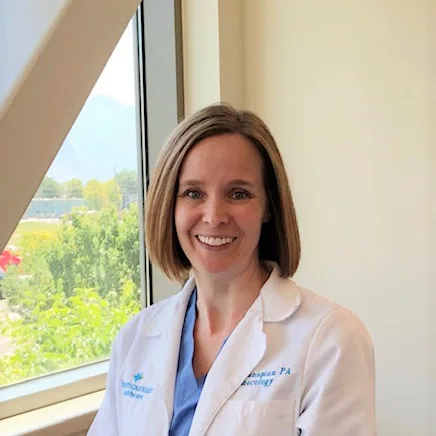
Kate Aronov is a physician associate and the founder of this Brooklyn practice, which treats both women and men. Her own account of her work says she spent more than twenty years in family practice, internal medicine and women's health before opening it. Care for midlife women runs through a program she calls Midlife Reboot, which starts with a full hormone panel and a symptom assessment covering estrogen, progesterone, testosterone, thyroid and adrenal function. Bioidentical hormone therapy is prescribed from those results when she judges it appropriate, and the plan is revised as labs and symptoms change. She writes openly that being a mother of three who went through fatigue, hormonal change and weight struggles herself is what made her impatient with being told symptoms are just part of aging. The practice also runs a large aesthetic and weight loss side, so a woman coming for hormone care is choosing one route among many.
Kasianchuk is a registered dietitian at Gennev, a virtual menopause clinic, so her work is nutrition and lifestyle counseling rather than prescribing. Gennev's doctors handle medication and hormone therapy, and she works alongside them with shared notes in the patient record. Her own page names weight management, bone health and cardiovascular health as her areas, along with sports nutrition and exercise physiology. A first visit with her runs 50 to 55 minutes and follow-ups run 30 to 40 minutes, usually every two or three weeks for at least three months, with text support in between. She also runs Gennev's lifestyle care program as its senior director of lifestyle care. Gennev's weight management track starts with the dietitian rather than the doctor and you can self-refer into it, while nutrition care in the general menopause track comes as a referral from your first doctor visit.