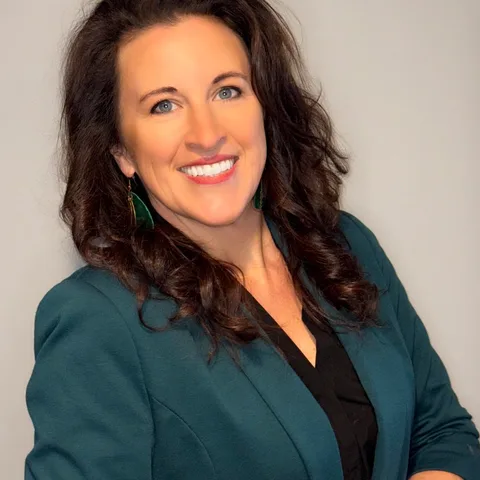
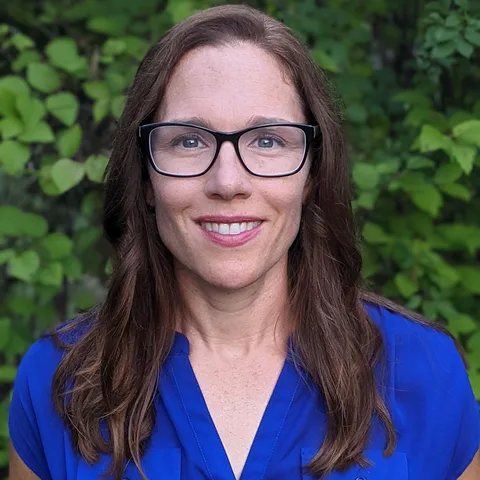
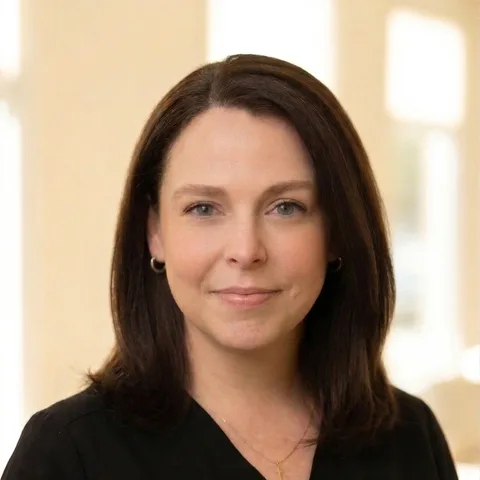
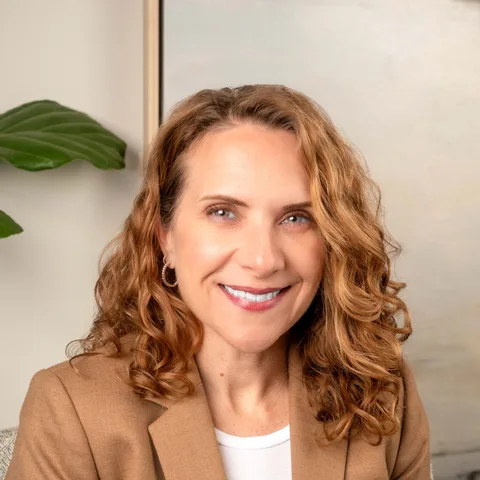
92 practitioners have an office in Wisconsin, and 78 more can see patients here by telehealth. 113 of them are certified by the Menopause Society, and the most are in Milwaukee, Madison and Menomonee Falls.
A solo nurse-practitioner telehealth practice serving women and men across Wisconsin for perimenopause, menopause and low testosterone, with no physical office described. Care starts with a one-hour video visit covering health history, symptoms and hormone goals, then follow-ups at about three months and annually, with secure messaging in between. Labs are ordered directly without a separate visit and drawn at a lab of the patient's choice or from a mailed kit, and appointments run evenings and Sundays.
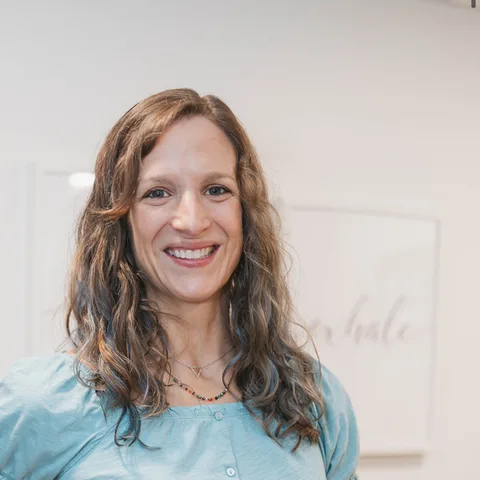
Therapy for Midlife is Dr. Rashkis's solo virtual practice, and every session runs over video. She works with women moving through perimenopause and menopause, and she also sees men in midlife and couples. Care is talk therapy only, and the FAQ says the practice does not prescribe medication, though she will discuss a referral to a prescribing physician and can speak with your own doctor if you give written permission. For menopause she uses cognitive behavioral therapy for the distress that comes with hot flashes and CBT for insomnia for sleep trouble, alongside acceptance and commitment therapy and emotionally focused therapy. Sessions are 50 minutes, usually weekly at first and then spaced further apart, and she says most clients need five to fifteen of them. She is a lifelong competitive athlete who says she went through her own midlife upheaval, which is what led her to start the practice.
Dana Johnson is a registered nurse who spent about 20 years in the ICU before founding Qavah Functional Wellness, a telehealth-only practice. She started it after her own Long COVID turned into autoimmune and gut problems and then a hard menopause transition. Hormone therapy is offered to Alabama residents only, while the lab and gut health services also reach a few other southern states. Each hormone plan starts with lab work and a consultation, and bioidentical hormones come as creams, gels, pills, troches or injections. Prescriptions are written by the practice's licensed providers rather than by Dana, who is a nurse. New patients start with an online consultation request, and the team calls back within one business day.
Orama Wellness is an online psychology practice that Linda Kondilis founded in Atlanta after years of work in reproductive mental health. Care here is talk therapy rather than medical care, and nobody on the team prescribes hormones or orders labs. The perimenopause service is about coping with sleep trouble, anxiety, brain fog, pain and changes in sex and relationships. Most of the practice is fertility and third party reproduction work, with cancer support and couples counseling alongside it. New clients request a first appointment through the practice's booking portal, and she offers a free phone consultation before starting.
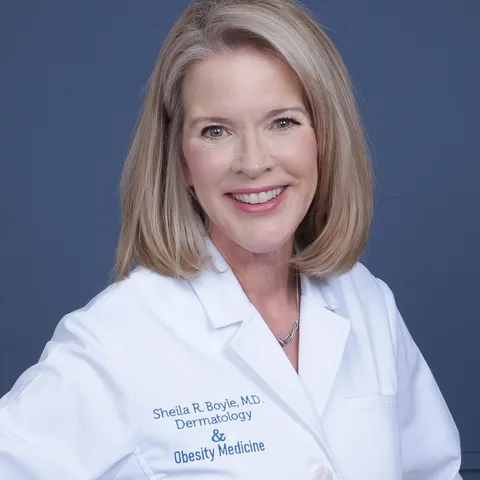
A solo direct-pay practice in Lone Tree whose stated scope is dermatology, cosmetic procedures and medically supervised weight management. The physician is board certified in dermatology and obesity medicine. Every initial visit is by video, with in-person follow-ups by appointment, and the practice does not bill insurance. Hormone replacement therapy is named only as one reason for a new-patient visit on the fee schedule, and no hormone or menopause care is described anywhere else on the site.
Dr. Yehl founded Coastal Women's Medical after 24 years in hospital medicine, having worked first as a nurse and then as a certified nurse midwife before medical school. The practice is built around long visits, with 90 minutes for a new patient and a care plan written once labs come back. Ongoing hormone care runs on a monthly membership with quarterly visits, and patients who become clinically stable can step down to a cheaper program with fewer visits. Weight change in midlife is treated as a hormonal problem, so GLP-1 medication is managed alongside hormone therapy rather than in a separate track. Primary care is reserved for concierge members, and everyone else is seen for hormone, menopause or weight care. The office also runs medical grade red light therapy and a paid audio course for women who want to arrive at an appointment prepared.
Dr. Anyaoku founded Hibiscus Aesthetics and Wellness in Katy and is the only clinician there. Hormone care starts with a wide lab panel rather than a symptom questionnaire, and she orders markers like free T3, DHEA-S and fasting insulin that a standard physical skips. She prescribes bioidentical hormones as patches, creams, injections or pills, and no page on the site mentions pellets. She is also a diplomate of the American Board of Obesity Medicine, so weight and hormone questions get handled in the same visit. Aesthetic treatments happen in person at the Katy clinic, while hormone, weight and longevity care can be done by video in 23 states. You pay per visit and there is no membership or package.
Gliss Wellness is a virtual-only OB/GYN practice Dr. Walsh co-founded with a second board-certified OB/GYN, and menopause care is its main focus. Care starts with a 30-minute video consultation about your symptoms, and if hormone therapy suits you, you leave with prescriptions for the first three months. A follow-up at three months keeps refills going for the rest of the year, and refills in between happen by message through the patient portal. There is no membership, and you fill prescriptions at your own pharmacy. The doctors can't examine you in person but can order labs and other tests. Dr. Walsh's own interests include pelvic pain, endometriosis, fibroids and weight loss, and a free 15-minute call lets you meet the team before booking.
Gennev is an all-virtual menopause clinic owned by Unified Women's Healthcare, and care starts with a 30 minute video visit with a menopause-trained doctor. Dunsmoor-Su is Gennev's chief medical officer and she also carries her own patient list. The areas she names herself include premature ovarian insufficiency, breast cancer risk and survivorship, endometriosis, and weight management with medication. Her background is clinical epidemiology, and she still runs women's health drug trials as a medical director at a Seattle research centre and teaches OB-GYN residents. She says she treats each visit as a chance to explain the current evidence so the decision about treatment is a shared one. Doctors here prescribe FDA-approved hormone therapy when a patient is a candidate and non-hormonal medicines when she is not, and the clinic tells patients to steer clear of compounded weight drugs made outside FDA oversight.
Beyer is a Midi clinical leader and sits on the company advisory board, and she still sees patients by video. She trained in obstetrics and gynaecology, then dropped obstetrics to work on gynaecology and hormonal health only. Weight is her second focus and she holds a diplomate from the American Board of Obesity Medicine. She talks openly about gaining weight before her 50th birthday and losing 35 pounds over five months, and she uses that with patients who are struggling. Care runs through Midi only, so visits are by video and anything needing an exam or imaging goes to an outside clinician. Her page has no booking link of her own, so the Midi sign-up does not let a new patient choose her by name.
Jennifer Tagatz sees patients through Midi Health, a national virtual clinic for perimenopause and menopause, and every visit is by video. She spent 20 years providing OB/GYN care at Kaiser Permanente before joining. She says she saw menopausal patients there who had no good source of education, and then went through her own hormone transition in her forties. Her mother was an OB/GYN nurse and her father a fertility specialist, so women's health was dinner table talk. Care at Midi can include hormone and non-hormone prescriptions, labs, supplements and weight medication. New patients book a half-hour first visit online, with short follow-ups after.
Online Benign Gyne is Dr. Todd's own telehealth practice, and every visit happens by video. She sees women for contraception, breast concerns, vaginal and vulva problems, menopause and facial skin care, and consultations and referrals are part of what she offers. Her site carries long plain-language explainers on hormone therapy, PCOS, urinary infections and breast exams. She is a New Orleans native and a military veteran who served during Operation Desert Storm and later at Walter Reed Medical Center. She says she especially enjoys caring for older women because she has faced the same changes herself. New patients can pick a video slot through the practice's own online scheduler.
Dr. Siegel is a board certified emergency physician who spent more than 30 years in busy emergency rooms and now runs a consultative menopause practice inside the Forward Focus Concierge Medicine office in Lake Forest. She writes that she saw what happens when women lose estrogen, including hip fractures, recurrent urinary infections, heart attacks and strokes, and she started this practice to prevent those rather than treat them. First visits run 60 to 90 minutes and patients fill out detailed questionnaires beforehand so the time together goes to history, symptoms and planning instead of paperwork. She prescribes hormone therapy and offers non hormonal options for women who cannot or do not want to take it, and once a plan settles a patient can usually get a full year of refills. She does not order broad hormone panels, since she says symptoms guide menopause care better than levels that swing week to week, and she sticks to screenings such as thyroid, lipid and metabolic panels, vitamin D and a baseline DEXA. She is not a replacement for a primary care doctor or gynecologist and offers to work alongside them, and visits can be in person or by video for patients located in Illinois or Wisconsin.
Total Women's Care of North Texas is an obstetrics and gynecology office in Frisco Square with six doctors. Dr. Lays is board certified in obstetrics and gynecology, and her own list of care names hormone replacement therapy and menopause conditions. She practiced in Minnesota and North Dakota before moving to Texas, and she was co-chair of obstetrics and gynecology at Essentia Health. A lot of her work is surgical, including robotic and minimally invasive procedures, and she is a certified DaVinci robotic surgeon. She still delivers babies and takes high risk pregnancies, so this is a full obstetrics practice rather than a menopause clinic. The office keeps weekday hours only and asks new patients to arrive half an hour early to finish paperwork.
Miranda Zuhlke runs Midlife Rising, an independent menopause and sexual health practice based in Madison. Care starts with an hour-long virtual consultation that reviews your labs, bone and breast health, and heart risk and ends with a written plan, though no prescriptions come from that visit alone. Ongoing care is a six or twelve month program with messaging, lab reviews, and hormone therapy or GLP-1 medication when it fits, then a yearly visit to review and refill. She is also a certified sex counselor and treats libido and sexual health as part of menopause care rather than an extra. Her doctoral research looked at the myths around hormone therapy, and she is an Army veteran who served in Iraq. New patients start by emailing her.
Winston is a board certified obstetrician gynaecologist at Boston Medical Center. She sees patients at two sites, the main Boston campus on Harrison Avenue and BMC Brighton. Her hospital listing places her in obstetrics and gynaecology along with labour, delivery and postpartum care, so her published work includes deliveries and not only office gynaecology. Boston Medical Center publishes nothing about menopause, perimenopause or hormone therapy for her, and her profile carries no specialties list at all, while a colleague at the same Harrison Avenue office does list menopause. Her menopause certification from The Menopause Society is current, but her employer's site gives no sign that she offers menopause care. She trained in obstetrics and gynaecology at Marshall University in West Virginia after earning her osteopathic degree in Tennessee.