92 practitioners have an office in Wisconsin, and 78 more can see patients here by telehealth. 113 of them are certified by the Menopause Society, and the most are in Milwaukee, Madison and Menomonee Falls.
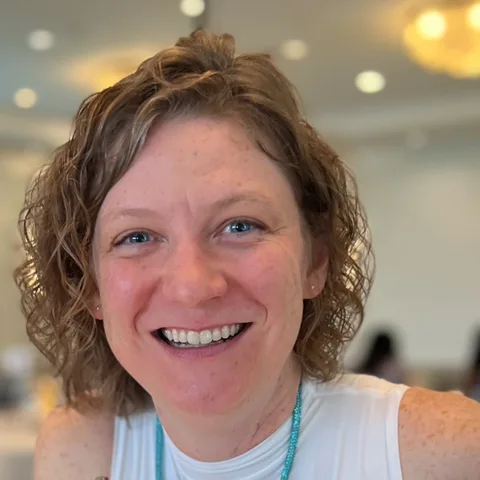
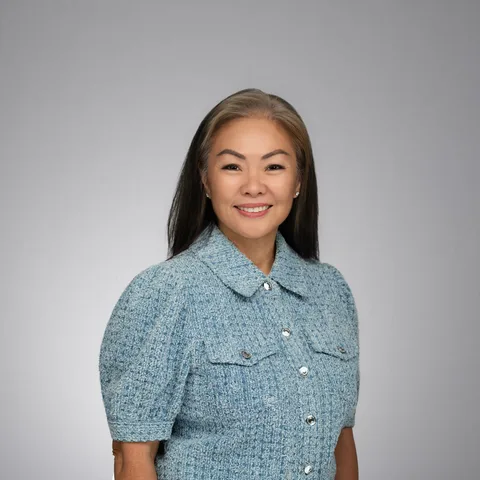
Beyer is a Midi clinical leader and sits on the company advisory board, and she still sees patients by video. She trained in obstetrics and gynaecology, then dropped obstetrics to work on gynaecology and hormonal health only. Weight is her second focus and she holds a diplomate from the American Board of Obesity Medicine. She talks openly about gaining weight before her 50th birthday and losing 35 pounds over five months, and she uses that with patients who are struggling. Care runs through Midi only, so visits are by video and anything needing an exam or imaging goes to an outside clinician. Her page has no booking link of her own, so the Midi sign-up does not let a new patient choose her by name.
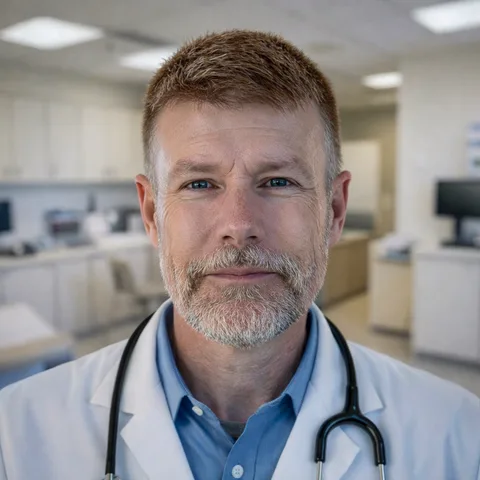
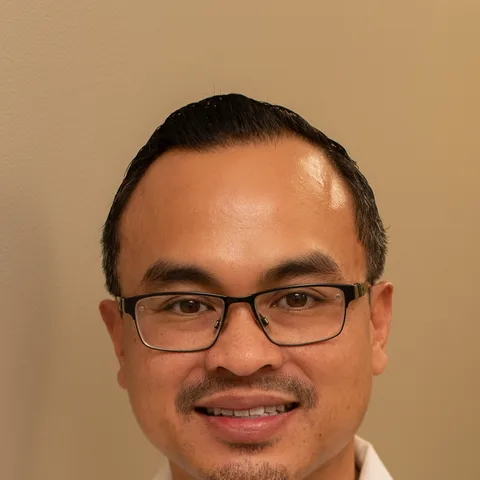
Dr. Powell is a family doctor at Prevea's Luxemburg health center, a small clinic east of Green Bay that shares space with cardiology, orthopedics and physical therapy. She looks after several generations of the same families, and menopause care sits inside that ongoing primary care rather than in a separate clinic. Prevea says she is one of only two clinicians in the whole system with menopause certification, and she is the one covering it on the family medicine side. Prevea's page for her lists her key services as routine adult and pediatric care, preventive medicine, women's care and minor office procedures, and nothing the system publishes says which treatments she uses for menopause. Her own line about how she practices is that listening and taking time with patients is what makes the medical advice worth anything. New patients can book by phone or through the MyPrevea portal, which is also where Prevea runs its virtual visits.
Online Benign Gyne is Dr. Todd's own telehealth practice, and every visit happens by video. She sees women for contraception, breast concerns, vaginal and vulva problems, menopause and facial skin care, and consultations and referrals are part of what she offers. Her site carries long plain-language explainers on hormone therapy, PCOS, urinary infections and breast exams. She is a New Orleans native and a military veteran who served during Operation Desert Storm and later at Walter Reed Medical Center. She says she especially enjoys caring for older women because she has faced the same changes herself. New patients can pick a video slot through the practice's own online scheduler.
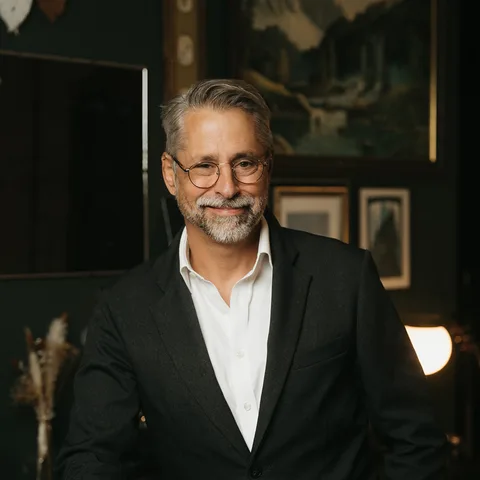
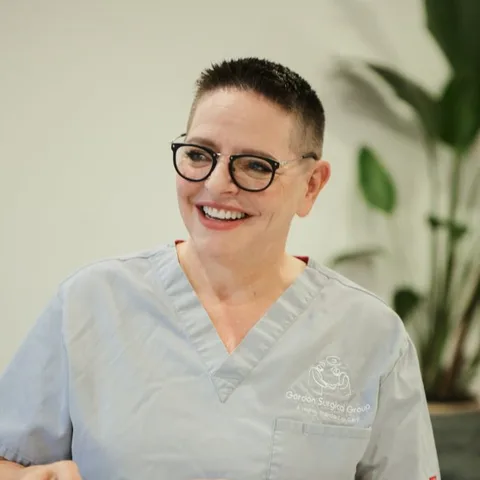
Dr. Siegel is a board certified emergency physician who spent more than 30 years in busy emergency rooms and now runs a consultative menopause practice inside the Forward Focus Concierge Medicine office in Lake Forest. She writes that she saw what happens when women lose estrogen, including hip fractures, recurrent urinary infections, heart attacks and strokes, and she started this practice to prevent those rather than treat them. First visits run 60 to 90 minutes and patients fill out detailed questionnaires beforehand so the time together goes to history, symptoms and planning instead of paperwork. She prescribes hormone therapy and offers non hormonal options for women who cannot or do not want to take it, and once a plan settles a patient can usually get a full year of refills. She does not order broad hormone panels, since she says symptoms guide menopause care better than levels that swing week to week, and she sticks to screenings such as thyroid, lipid and metabolic panels, vitamin D and a baseline DEXA. She is not a replacement for a primary care doctor or gynecologist and offers to work alongside them, and visits can be in person or by video for patients located in Illinois or Wisconsin.
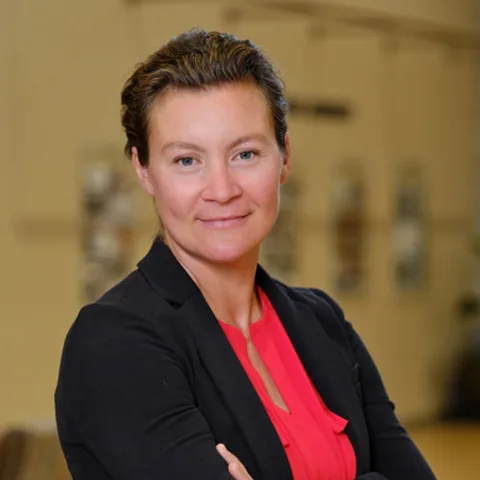
Total Women's Care of North Texas is an obstetrics and gynecology office in Frisco Square with six doctors. Dr. Lays is board certified in obstetrics and gynecology, and her own list of care names hormone replacement therapy and menopause conditions. She practiced in Minnesota and North Dakota before moving to Texas, and she was co-chair of obstetrics and gynecology at Essentia Health. A lot of her work is surgical, including robotic and minimally invasive procedures, and she is a certified DaVinci robotic surgeon. She still delivers babies and takes high risk pregnancies, so this is a full obstetrics practice rather than a menopause clinic. The office keeps weekday hours only and asks new patients to arrive half an hour early to finish paperwork.
Winston is a board certified obstetrician gynaecologist at Boston Medical Center. She sees patients at two sites, the main Boston campus on Harrison Avenue and BMC Brighton. Her hospital listing places her in obstetrics and gynaecology along with labour, delivery and postpartum care, so her published work includes deliveries and not only office gynaecology. Boston Medical Center publishes nothing about menopause, perimenopause or hormone therapy for her, and her profile carries no specialties list at all, while a colleague at the same Harrison Avenue office does list menopause. Her menopause certification from The Menopause Society is current, but her employer's site gives no sign that she offers menopause care. She trained in obstetrics and gynaecology at Marshall University in West Virginia after earning her osteopathic degree in Tennessee.