93 practitioners have an office in Arizona, and 112 more can see patients here by telehealth. 126 of them are certified by the Menopause Society, and the most are in Scottsdale, Tucson and Phoenix.
Midlife Wellness is a small virtual practice that only treats women in perimenopause and menopause, plus those with premature ovarian insufficiency. Stacy is one of its two nurse practitioners and spent more than ten years in intensive care before moving into internal medicine and then reproductive health. Care starts with an hour-long new patient visit, and shorter follow-ups are used to adjust treatment over time. The practice prescribes FDA-approved hormones only, testosterone gel among them, and follows Menopause Society guidelines. It also treats midlife hair loss and offers non-hormonal prescriptions for women who can't or don't want to take hormones. The founders started it after feeling rushed and brushed off at their own doctors' offices.
Jackie Stone, MD sees women entirely by telehealth, in a practice she runs alone. She is board certified in obstetrics and gynecology and in obesity medicine, and treats perimenopause, menopause and primary ovarian insufficiency alongside PCOS, genitourinary symptoms, sexual wellness, and skin and hair changes. First visits run a full hour and cover past records, labs and a treatment plan. Ongoing care is by monthly membership or visit by visit, with direct messaging for members.
Dr. Harris is a gynecologist who runs a small concierge-style practice in Newport Beach centered on bioidentical hormones. She is a strong believer in hormone pellets and has used them for more than twenty years, though she also offers other bioidentical options. Care starts with a one-on-one consultation and hormone testing. The practice also runs a weight program built around GLP-1 medication alongside hormone balance. It treats men as well as women and offers aesthetic and PRP procedures, so hormones are one part of a wider anti-aging menu.
Kristen Loose is the menopause specialist at Dr. Gina Mantor's medical spa and weight clinic in Westerville, where the rest of the practice focuses on aesthetics and weight loss. She treats perimenopause and menopause with standard hormone therapy, and offers non-hormonal prescriptions and lifestyle advice to women who can't or would rather not take hormones. The first consultation is free and happens by video. After that she sees patients in the office on Wednesdays and Saturdays or by appointment. She follows Menopause Society guidance closely and writes on the clinic's site that soy and black cohosh don't hold up for hot flashes.
Ann Boss sees women in perimenopause and menopause at an office in Torrance and by video. Care comes as three yearly programs that differ mainly in how often you see her, from four visits a year with ongoing messaging to two visits with limited messaging. She prescribes hormone therapy and testosterone, and she also manages GLP-1 medication for weight. She specifically helps women move off hormone pellets onto FDA-approved hormone therapy. Her video visits run through the Heather Hirsch Collaborative, and she teaches seasonal Menopause 101 classes through Torrance Memorial. New patients start with the booking form on her site, and a scheduler follows up.
Mia Elder is a certified nutritionist whose practice works only with women in perimenopause, menopause and postmenopause, including women with premature ovarian insufficiency, surgical menopause, and women who are on hormone therapy or cannot take it. She prescribes nothing and does not manage hormone therapy, so the care here is nutrition counseling alongside whatever a woman's own prescriber is doing. Care runs either as a single ninety minute midlife check-up or as a six session program that opens with a full intake and then meets every few weeks, with message access and research done between sessions. She was diagnosed with premature ovarian insufficiency at 39 after five years of being told nothing was wrong, and she built the practice around what she wishes she had been given. She spent seven years in metabolic health at Dexcom and reads continuous glucose monitor data, and she says plainly that she will not hand anyone a list of forbidden foods. California patients need a physician referral before she can see them.
Shook is a registered dietitian nutritionist at Gennev, a menopause clinic that works entirely by video. This is nutrition and exercise work rather than prescribing, and the clinic's doctors are the ones who handle medication. Gennev's dietitians cover food, movement, sleep and supplements, and they share notes with the gynaecologist seeing the same patient. His stated focus is weight management and body composition, with cardiometabolic health and resistance training to preserve muscle, and he has published research on resistance training and women's health. For general menopause care a doctor refers you to the dietitian, but the weight management track lets you self-refer and start with the dietitian intake. A typical course of care runs every two to three weeks for at least three months, with unlimited messaging between visits.
Dr. Heavens is a family physician who runs a primary care practice in Tempe through the MDVIP membership model. Members get same or next day appointments and can reach him around the clock. His menopause care centers on Biote hormone pellets, and the practice also does routine gynecology, weight loss medication and cosmetic injectables. New insurance patients are asked to name him as their primary care doctor with their insurer before the first visit.
John Robinson is a naturopathic doctor who co-founded The Hormone Zone in Scottsdale, and the practice treats women through perimenopause and menopause alongside men's hormone care. Hormones are given as pellets, creams, patches, pills or injections, and the pellets are compounded so the dose and mix can be set for each patient. Getting started means a short phone call with a member of the medical team first, who answers questions and books the office visit. The first visit adds in house testing such as body composition, resting metabolic rate, a thyroid reflex reading and an EKG, and you leave with a written plan that gets revised at follow ups. Robinson came into medicine through massage therapy and Chinese medicine, co-founded a herbal medicine and acupuncture school in Phoenix, and wrote a book about thyroid care. For bone loss after menopause the practice uses a radiation free ultrasound bone scan through a partner rather than a standard DEXA, along with blood markers of bone turnover.
Dr. Malcolm runs a telehealth-only menopause practice and sees women in perimenopause and menopause by video. Care starts with a free 15-minute discovery call, then a full consultation and a membership that runs for six or twelve months. She prescribes hormone therapy when it fits and will also prescribe GLP-1 medication for weight as one part of a wider plan. Besides being an OB-GYN, she is a certified fitness and nutrition coach, and strength training to keep muscle is a big part of how she works. She often starts treatment based on symptoms and health history rather than hormone blood tests.
Therapy for Midlife is Dr. Rashkis's solo virtual practice, and every session runs over video. She works with women moving through perimenopause and menopause, and she also sees men in midlife and couples. Care is talk therapy only, and the FAQ says the practice does not prescribe medication, though she will discuss a referral to a prescribing physician and can speak with your own doctor if you give written permission. For menopause she uses cognitive behavioral therapy for the distress that comes with hot flashes and CBT for insomnia for sleep trouble, alongside acceptance and commitment therapy and emotionally focused therapy. Sessions are 50 minutes, usually weekly at first and then spaced further apart, and she says most clients need five to fifteen of them. She is a lifelong competitive athlete who says she went through her own midlife upheaval, which is what led her to start the practice.
Dr. Fermann is a gynecologist with UC Health, the University of Cincinnati academic health system, and sees adults at its West Chester South medical office. Her own profile lists menopause, perimenopause and hot flashes among her clinical interests, alongside general gynecology. She also names primary ovarian insufficiency, pelvic pain and vulvar pain, which makes her a sensible choice for women with early menopause or painful sex. Care runs through a large hospital system that bills insurance, so this is regular office gynecology and not a stand-alone menopause program. New patients book by calling the office. She also teaches as volunteer faculty at the UC College of Medicine.
Dana Johnson is a registered nurse who spent about 20 years in the ICU before founding Qavah Functional Wellness, a telehealth-only practice. She started it after her own Long COVID turned into autoimmune and gut problems and then a hard menopause transition. Hormone therapy is offered to Alabama residents only, while the lab and gut health services also reach a few other southern states. Each hormone plan starts with lab work and a consultation, and bioidentical hormones come as creams, gels, pills, troches or injections. Prescriptions are written by the practice's licensed providers rather than by Dana, who is a nurse. New patients start with an online consultation request, and the team calls back within one business day.
A physician-founded med spa and wellness practice in Steamboat Springs treating women and men, where hormone care means bioidentical pellet therapy alongside aesthetics, intravenous therapy, medical weight loss and regenerative treatments. Hormone care runs as an in-office pathway. It starts with an evaluation and history, then a blood panel and a plan, then pellet insertion, and ends with repeat labs and a symptom review. Estrogen and testosterone pellets are both named, and candidates are described as women in perimenopause or menopause and men with low testosterone. Intimate health symptoms are addressed with in-office devices and platelet-rich plasma rather than prescription vaginal therapy.
A two-doctor naturopathic concierge practice with a Beverly Hills office, working virtually or in person and treating perimenopausal and menopausal women alongside gastrointestinal, longevity and body composition patients. Care is an ongoing membership. It starts with an hour-long intake and custom lab work, then a follow-up where the plan is built, and you can message her directly between visits. The menopausal hormone therapy program is ongoing care bundling prescriptions, follow-ups and repeat hormone labs. The founder is also a certified trainer and nutrition graduate who writes patients' strength, cardio and diet programming as part of the membership.
Orama Wellness is an online psychology practice that Linda Kondilis founded in Atlanta after years of work in reproductive mental health. Care here is talk therapy rather than medical care, and nobody on the team prescribes hormones or orders labs. The perimenopause service is about coping with sleep trouble, anxiety, brain fog, pain and changes in sex and relationships. Most of the practice is fertility and third party reproduction work, with cancer support and couples counseling alongside it. New clients request a first appointment through the practice's booking portal, and she offers a free phone consultation before starting.
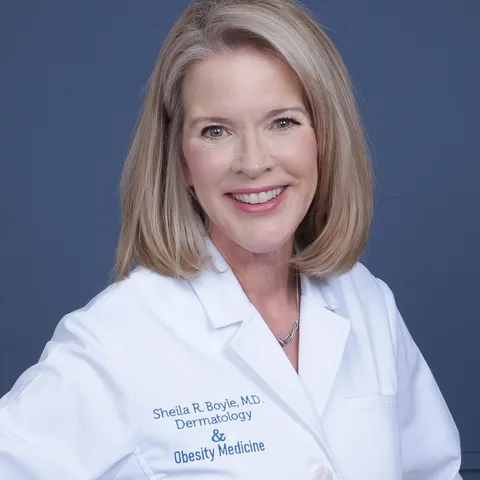
A solo direct-pay practice in Lone Tree whose stated scope is dermatology, cosmetic procedures and medically supervised weight management. The physician is board certified in dermatology and obesity medicine. Every initial visit is by video, with in-person follow-ups by appointment, and the practice does not bill insurance. Hormone replacement therapy is named only as one reason for a new-patient visit on the fee schedule, and no hormone or menopause care is described anywhere else on the site.
My Menopause Doctor is a solo telemedicine practice and takes Arizona residents only, because Dr. Miller is licensed in Arizona. A first visit runs 45 to 60 minutes, covers an intake form and medical history, and ends with prescribed hormone replacement and supporting supplements. Care then continues as single follow up visits or through a monthly membership that adds portal messaging and patient discounts. A three month package bundles monthly visits, labs including functional medicine testing, and supplements, which the practice sources through FullScript rather than a third party seller. Seeing Dr. Miller in person means going to a separate Tucson clinic that runs on its own pricing. Dr. Miller qualified as a naturopathic doctor in 2006 and writes the practice blog, including a summary of recent research on estradiol patches and bone density.
Takes Aetna, Blue Cross Blue Shield +7 · first visit $324
Ashley DeYoung is a physician assistant at Arizona Gynecology Consultants, a gynecology group with offices around Phoenix and in Mesa. She joined the practice in 2022 after a year and a half in a general OB/GYN office, and she became a certified menopause practitioner the same year. Her listed interests are sexual health, menopause, contraception management and vulvar complaints. The group divides its work so that the advanced practice providers cover wellness, hormones and screenings while the surgeons operate, and she sees patients at the Biltmore, McDowell and Mesa offices. Menopause care here runs from perimenopause through postmenopause and mixes hormone therapy with nonhormonal prescriptions, supplements and screening for bone and heart health. She also carries the practice's weight loss visits, which pair prescription weight medication with diet and exercise.
Dr. Oberg is a naturopathic doctor who runs a concierge practice from an ocean-view office in La Jolla. She has practiced since 2003 and was the founding medical director of Bastyr University's California campus. Hormone care starts with a symptom and history review and a hormone test, then moves to bioidentical hormones when they fit. She says hormones are not required and may begin with botanical or non-hormone support first. Care runs through fixed-length programs or a year-long membership, with a health coach on the team and a covering doctor when she is away. She also sees patients by video and keeps small offices in Arizona and Washington.
Gliss Wellness is a virtual-only OB/GYN practice Dr. Walsh co-founded with a second board-certified OB/GYN, and menopause care is its main focus. Care starts with a 30-minute video consultation about your symptoms, and if hormone therapy suits you, you leave with prescriptions for the first three months. A follow-up at three months keeps refills going for the rest of the year, and refills in between happen by message through the patient portal. There is no membership, and you fill prescriptions at your own pharmacy. The doctors can't examine you in person but can order labs and other tests. Dr. Walsh's own interests include pelvic pain, endometriosis, fibroids and weight loss, and a free 15-minute call lets you meet the team before booking.
Takes Aetna, Blue Cross Blue Shield +4 · first visit $150
Kelly Perisin is a nurse practitioner at MyMenopauseRx, a video-only practice that treats nothing but perimenopause and menopause. It was started by a Chicago-area gynecologist and bills insurance like a regular office. Visits take about 30 minutes on Zoom, and you can book the same clinician every time and message the care team between visits. Kelly came to menopause care from weight management and urgent care, and she draws on that when helping women with midlife weight gain. The practice prescribes FDA-approved estradiol and progesterone sent to your own pharmacy, and it prescribes testosterone directly only for patients in Illinois. It is meant to work alongside your own primary care doctor, who still handles anything that needs a physical exam.
Beyer is a Midi clinical leader and sits on the company advisory board, and she still sees patients by video. She trained in obstetrics and gynaecology, then dropped obstetrics to work on gynaecology and hormonal health only. Weight is her second focus and she holds a diplomate from the American Board of Obesity Medicine. She talks openly about gaining weight before her 50th birthday and losing 35 pounds over five months, and she uses that with patients who are struggling. Care runs through Midi only, so visits are by video and anything needing an exam or imaging goes to an outside clinician. Her page has no booking link of her own, so the Midi sign-up does not let a new patient choose her by name.
Jennifer Tagatz sees patients through Midi Health, a national virtual clinic for perimenopause and menopause, and every visit is by video. She spent 20 years providing OB/GYN care at Kaiser Permanente before joining. She says she saw menopausal patients there who had no good source of education, and then went through her own hormone transition in her forties. Her mother was an OB/GYN nurse and her father a fertility specialist, so women's health was dinner table talk. Care at Midi can include hormone and non-hormone prescriptions, labs, supplements and weight medication. New patients book a half-hour first visit online, with short follow-ups after.