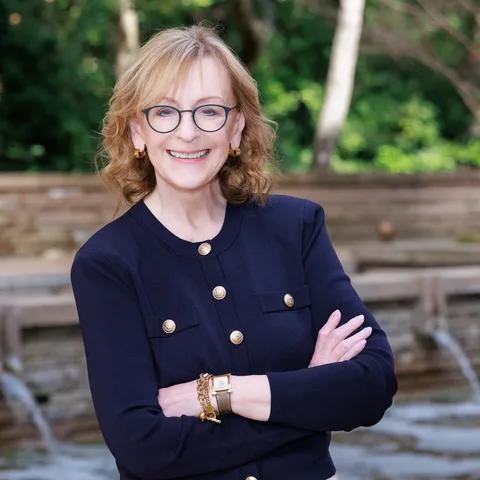
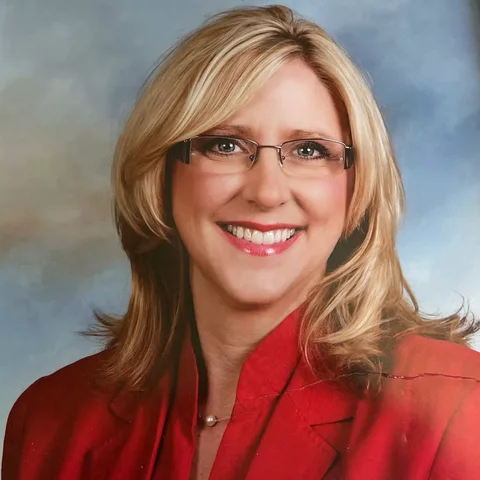
Adams directs Stanford's menopause program and sees patients at the gynecology clinic in Palo Alto. The program offers in person consults, video consults, and video group visits. She is board certified in both obstetrics and gynecology and in lifestyle medicine, so diet, exercise and sleep come up alongside hormone therapy. Before Stanford she spent 14 years as residency program director at OHSU in Oregon, where she also ran the menopause and sexual medicine program. She hosts the program's podcast and gave a TEDx talk called Sleep, Sex, and Menopausal Zest. The program writes to its patients about practical problems like the estradiol patch shortage.
Dr. Kemnec is a naturopathic doctor at a group integrative practice in Palo Alto, and she splits her week between in person visits on Mondays and video visits on Tuesdays and Wednesdays. She took a science degree at the US Naval Academy before her naturopathic doctorate at Bastyr, and she now works across integrative pediatrics and women's health, so some families see her for the children and the mother both. For midlife women she covers perimenopause, menopause, menstrual changes and bioidentical hormone therapy when it fits, usually alongside nutrition, botanical medicine and targeted supplements. A new patient visit runs 60 minutes, and she spends a further hour beforehand reading records, questionnaires and recent labs that the patient uploads in advance. Intake forms must be finished four business days ahead or the appointment is rescheduled. The practice publishes a page matching hormone patients to one of six providers, and she is named on it for perimenopause and menopause.
This is a small concierge practice built around long, unhurried visits and a low number of patients. Dr. Greenwald focuses on perimenopause and menopause, hormone therapy and sexual health. She trained at UCSF, built her practice with Stanford Health Care, still teaches there and works on the obstetrics side at Santa Clara Valley Medical Center several days a month. Care runs through a membership, and visits can be in person or by video. She is not taking new patients right now. Two colleagues in the same practice, Dr. Nazaneen Homaifar and Dr. Sarah Isquick, are certified menopause providers and are taking new members.
Dr. Sanserino is a Stanford gynecologist who directs its gynecology survivorship and high-risk program. Much of her work is with women who have had cancer or carry a BRCA gene, including menopause brought on early by chemotherapy or surgery. She is used to managing menopause symptoms in women with hormone-sensitive breast cancer, where estrogen may not be safe, and to treating vaginal and bladder symptoms caused by tamoxifen or aromatase inhibitors. She also sees women for ordinary perimenopause and menopause through Stanford's Menopause and Healthy Aging Program, along with sexual health concerns. She speaks fluent Spanish. Visits are at the Stanford gynecology clinic in Palo Alto and are booked through Stanford Health Care.
Dr. Johansen runs a small concierge internal medicine practice in Palo Alto and limits how many members she takes. Members pay a recurring fee and can reach her directly by cell, email or text at any hour. Same-day visits happen in the office, virtually or at home. Menopause care sits inside her general primary care and preventive work, and the site describes preventive care for women through the menopausal transition and beyond. She spent more than twelve years on the Stanford medicine faculty. The site does not say which hormone treatments she prescribes.