519 practitioners have an office in California, and 126 more can see patients here by telehealth. 386 of them are certified by the Menopause Society, and the most are in San Francisco, Newport Beach and San Diego.
Ashley Winter is a urologist and sexual medicine specialist at Dr. Rachel Rubin's practice, seeing patients in Pasadena inside a pelvic physical therapy center. She treats perimenopause and menopause with hormone therapy and prescribes testosterone for women as well as men. She speaks out often for vaginal estrogen to protect the urinary tract, so she is a strong fit when recurrent UTIs, dryness or painful sex are part of the picture. New patient visits run an hour and a half to two hours, and follow-ups can be done by video. New patients join an interest list first, and the wait for her Los Angeles area schedule is shorter than for the practice's Maryland office. The practice prescribes FDA-approved treatments unless no approved option exists.
Dr. Gutierrez is a board-certified OB-GYN who also trained as a minimally invasive gynecologic surgeon. Menopause and hormone therapy sit alongside her general gynecology care, so one office can handle both. Hormone treatment is built around each woman's symptoms and health history and can include bioidentical options. An optional yearly membership adds same-week visits, longer appointments, secure messaging with her and in-house hormone testing. Telemedicine is offered for eligible patients. She speaks English and Spanish, and she is not taking new pregnant patients.
Dr. Mahdai runs the menopause side of Timely Health, a small cash-pay preventive clinic in Rancho Bernardo that she shares with a second internist focused on women's heart health. Care starts with an hour-long visit covering symptoms, hormones and metabolic health, and most patients then move onto a monthly membership with secure texting and a few follow-up visits a year. She prescribes FDA-approved and bioidentical hormone therapy and uses compounded hormones only when needed. She is also board certified in obesity medicine, so weight, bone and thyroid concerns are handled in the same plan. The clinic has its own DEXA scanner, and the membership includes an initial bone and body composition scan. Visits can be in person or by video anywhere in California.
Bloom and Build is a solo women's psychiatry practice run by Dr. Alecia Greenlee in Campbell, with most ongoing care done by video anywhere in California. She trained as a reproductive psychiatrist, so her menopause work is about the mood, anxiety, sleep and thinking changes of the perimenopause years rather than hormone therapy. When hormonal treatment is part of the plan she coordinates with the patient's own OB/GYN or primary care doctor instead of prescribing it herself. First visits are a 60 to 90 minute evaluation that looks at hormonal and lifestyle factors alongside psychiatric history, and medication follow-ups happen monthly. Many of her patients arrive with ADHD that got harder during perimenopause, and she treats that as one tangled picture rather than two separate problems. Anyone can start with a free 15 minute phone screening call booked online.
Dr. Mandigo is an OB-GYN who runs a small cash-pay video practice alongside her main job at a community health centre in Southern California. Perimenopause and menopause are among the concerns she sees, along with contraception, abnormal smear results and pregnancy questions. You start by filling out a short request form, and she replies by email within a day to set up a video visit. New patient consultations run 60 minutes, with shorter follow-ups after that, so there is time to talk things through. Her intake form points women who want to use insurance for menopause care to another telehealth company instead. She says she started the practice because appointments elsewhere were too short and too hard to get.
Dr. Joyce spent more than 30 years as an OB-GYN in the Bay Area, delivering thousands of babies, before turning her practice to midlife and menopause care. She now sees women in California entirely by video. Care starts with a free discovery call and a long first visit, followed by shorter follow-ups where she adjusts treatment and reviews labs. She prescribes FDA-approved estradiol, progesterone and testosterone, will not prescribe pellets, and uses compounded hormones only rarely, mainly for allergies. Nutrition, exercise and weight management are a big part of her approach, and she will prescribe GLP-1 medication when it fits. She asks patients to keep a local gynecologist for exams, bleeding problems and routine screening.
Dr. Goodwin runs a video-only practice for women in California. She treats perimenopause and menopause, and also PMDD, postpartum hormone changes and midlife weight and metabolic health. Care starts with a one-hour consultation that does not commit you to anything. Ongoing care is a one-year membership with visits every 4 to 6 weeks and direct messaging with her between them. She prescribes estrogen, progesterone and testosterone, and weight medication such as GLP-1s when it fits. She says her own hormone and weight journey is why she built the practice, and she works alongside your primary care doctor and gynecologist instead of replacing them.
Women's Wellness Psychiatry is a small California group of reproductive psychiatrists and psychotherapists that Dr. Glezer founded in 2017 and still leads. Care is almost entirely by video across California, with offices in Walnut Creek and West Los Angeles kept for the visits that need to happen in person. Every prospective patient starts with a free fifteen minute phone call with Dr. Glezer, then a seventy five minute intake covering symptoms, history, hormonal context and lifestyle that ends with a written plan. She treats the mental health side of perimenopause and midlife rather than the physical symptoms, and the practice says it coordinates with your OB/GYN or primary doctor. Her integrative sessions review hormone, thyroid and nutrient labs, and she uses botanicals and nutraceuticals alongside prescription medication. The practice says your care stays with a board certified psychiatrist rather than a nurse practitioner or PA, and new patients currently join a waitlist.
Dr. Binno is an OB-GYN who is also board certified in obesity medicine. That means weight change in perimenopause is something she treats herself, including with GLP-1 medication when a patient qualifies. Most care is by video, with in-person visits one day a week in Carlsbad. First visits run up to an hour and start from the patient's history, symptoms and recent labs. She supports compounded hormones for reasons like an allergy, but says her experience with them is limited, and she does not prescribe pellets. She will see women who already have an OB-GYN, and she leaves exams and mammograms to their local doctors.
Dr. Vityuk runs a small direct primary care practice in Walnut Creek that is built mainly for women in midlife, though she sees all adults. Members pay a monthly fee instead of per-visit bills and can message her directly. Menopause care is part of her everyday primary care, along with medical weight management and routine gynecologic care like Pap smears. She prefers FDA-approved hormones to compounded ones and says plainly that she doesn't offer pellets because they push hormone levels too high. She grew up in Ukraine and finished medical school there before training in family medicine in Chicago. Patients are told to keep their own insurance for specialists, imaging and hospital care.
Dr. Douglas is an emergency medicine physician who also practices at a San Diego hospital serving some of the county's sickest and most underserved patients. Her clinic is a functional medicine practice, so menopause care sits alongside gut health, sleep, mood and inflammation. A new patient can start with a free 15 minute phone call. There is also a single perimenopause and menopause consultation for women who want a treatment and testing plan without joining a longer program. The longer programs run six months, with monthly contact from her and sessions with a health coach and nutritionist. Visits can be in the office or by video, and her approach leans on lab testing before treatment.
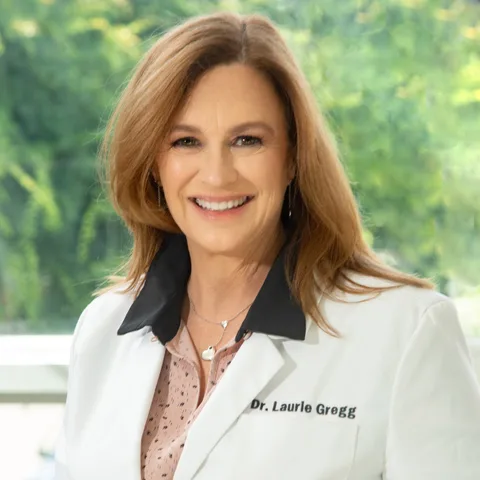
Dr. Gregg practiced OB/GYN in Sacramento for 26 years and now runs a video-only practice focused on hormones, lifestyle and weight. You see her at every visit, and her medical assistant helps with prescriptions, referrals and follow-up in between. She follows Menopause Society guidelines and mostly prescribes FDA-approved bioidentical hormones, with non-hormonal options for women who can't or don't want to take them. She rarely prescribes compounded hormones and doesn't do routine saliva or blood hormone level checks. She also offers libido consults and is board certified in obesity medicine, so weight medication is an option. Because she doesn't see patients in person, you should keep your own gynecologist or primary care doctor for exams.
Dr. Kolomey is an internist who runs a small primary care practice and treats menopause as one of her main areas. She keeps a smaller patient panel so visits are longer and patients message her directly through the portal. Menopause care is organised as a six-month plan that covers symptoms, hormone therapy and non-hormonal options, sexual and urinary health, and bone and heart prevention, and a body composition scan is part of it. She is also board certified in obesity medicine, so weight and metabolic changes at midlife are handled in the same practice. Visits can be in person or by video. The Antioch office closes at the end of 2026, after which she sees patients in Walnut Creek.
Dr. George runs a solo membership practice with no staff, so every message and visit is handled by her directly. Most care is by video for patients who live anywhere in California, and she keeps a private office in Napa for occasional in-person visits once you have joined. Hormone balancing for perimenopause, menopause and thyroid is one of her main focuses, alongside stress and lifestyle medicine. She is also trained in integrative and lifestyle medicine and uses both prescription treatment and lifestyle changes. New patients start with a free video call and then a long first visit that reviews their full medical and life history. She does not prescribe controlled substances, and she asks members to keep a local doctor or urgent care for urgent needs.
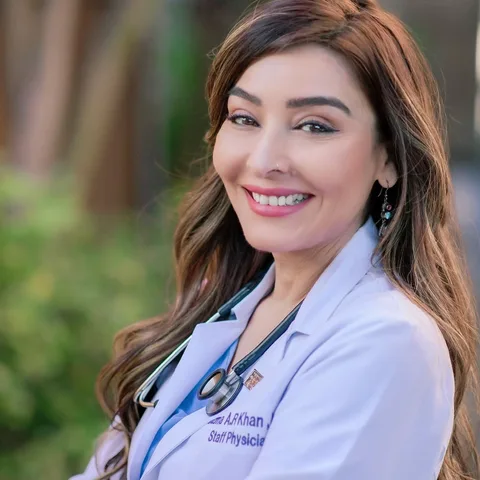
Prime Health MD is Uzma Khan's own practice and she is a psychiatrist first. Her menopause work sits where mood, sleep, cognition and weight meet the hormonal shift, which grew out of her own published research on depression and obesity in perimenopausal women. She does not prescribe hormone replacement therapy herself, and her FAQ says the clinic will work with your own OB/GYN or help you find one when hormone therapy is the right answer. What she handles is the part inside her scope, using FDA-approved medication along with coaching on nutrition, sleep and stress. She says plainly that she will not use compounded weight loss drugs and that she reviews labs before anyone starts medication. Care begins with a virtual visit from anywhere in California, and lab work or scans happen at the Walnut Creek or Turlock office.
Dr. Evans is a gynecologist who left insurance-based practice because she felt she could not give women enough time. First visits run 60 to 90 minutes and she looks at hormones, metabolism, sleep, gut health and stress together. Members see her every time and can reach her directly by phone, email and text. Hormone care includes bioidentical hormone therapy where she thinks it fits, and she also does gynecologic surgery and office procedures. Visits are in person on the Los Angeles Westside and South Bay, with video visits across California. The practice is kept small on purpose, so new memberships may go to a waitlist when the panel is full.
Dr. Ayoub is an endocrinologist with her own small practice in Redondo Beach, and she also sees patients by telehealth anywhere in California. For hormone therapy she prescribes estrogen and progesterone, adds testosterone when it fits, and uses FDA-approved bioidentical products. She also offers non-hormonal options for women who would rather not take hormones. First visits take a full hour and follow-ups take half an hour, and you can message her directly between visits. Because she is an endocrinologist, she treats thyroid disease, bone loss and weight alongside menopause, including GLP-1 medication. She says she works especially with patients who were told their labs were normal while their symptoms went on.
Marea MD is a solo, membership-based family medicine practice in central and east San Diego run by Dr. Joyce Ildesa, who pairs primary care with menopause and perimenopause care. Members get thirty to sixty minute visits, direct text, call and email access to the physician, same or next-day response for urgent concerns, and discounted cash-pay labs, with the panel deliberately kept small. Menopause care sticks to evidence-based and FDA-approved treatment. She prescribes hormone therapy when appropriate plus non-hormonal options, and explicitly does not routinely use compounded bioidentical formulations. Menopause care is integrated with bone, cardiovascular and metabolic screening, and new patients start with a free fifteen-minute introductory video call.
Misra Wellness is a virtual-first membership practice led by Dr. Misra, with an office in Los Angeles and visits for patients in California and New York. There is no online calendar, so a new patient starts with a free 15-minute call to see if it is a good fit, then a first consult. Menopause and hormone care sits inside the main primary care membership, so the same visits and direct messaging also cover thyroid, weight and other midlife concerns. She offers hormone therapy when it is clinically appropriate after an evaluation. She writes about perimenopause mood swings and a wired, on-edge feeling as hormonal changes and not simply stress, and she offers a 90-minute visit for symptoms that overlap. Current members get priority, so a new patient may wait for an opening.
Dr. DiGirolamo is a reproductive endocrinologist who spent a decade as a fertility specialist at Boston IVF before opening this virtual practice. She sees women from their first periods through menopause, with a focus on active women and athletes, and she manages perimenopause, menopause and hormone therapy. Care starts with a 50-minute Zoom consultation after an intake questionnaire, followed by shorter video follow-ups. Visits are video only, and a medical visit is only possible if you are calling in from a state where she is licensed. She is also a CrossFit trainer and nutrition coach, and she builds care on exercise and nutrition first, adding medication as needed. She does not provide primary care and recommends you keep your own primary care doctor.
Dr. Ashaye founded InTouch Primary Care in Sugar Land and is the only physician there. She is board certified in family medicine and in lifestyle medicine, and her site says she has specialized menopause training. Her menopause page works through non-hormonal options before it reaches hormone therapy, and it names the actual drugs and delivery routes she uses. Women can keep their own primary care doctor and buy menopause care on its own, or put both under one plan. Care runs on an annual membership that covers follow-up visits, prescription management and direct messaging with her. She also records a weekly health video on her own YouTube channel and holds free community talks on metabolism and menopause.
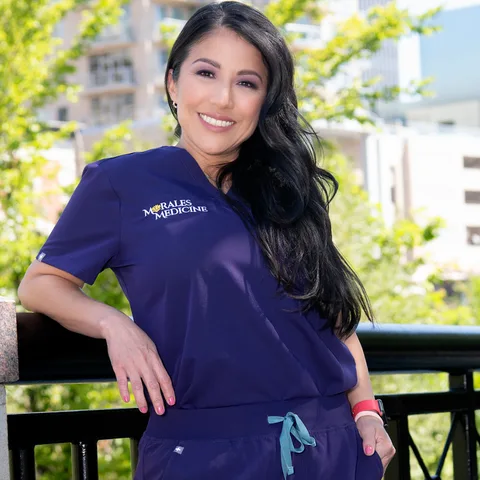
Dr. Morales runs a video-only practice for women in Nevada and California, with a special focus on hormone care for breast and gynecologic cancer survivors. New patients book a one-hour hormone consultation online, and cancer survivors get a longer first visit. Every visit is with Dr. Morales herself, and prescriptions go to the pharmacy you choose. She prefers FDA-approved hormones and also prescribes compounded therapies for certain conditions. Consultations include a review of labs, mammograms and bone scans, and she helps arrange an in-person exam when one is needed. She grew up in Northern Nevada, raised a child as a teenage single mother, and served twelve years in the military.
Dr. Patil-Sisodia runs a direct care practice in Redmond built around a single physician, for women moving through perimenopause and menopause. She trained in internal medicine and endocrinology and is also board certified in obesity medicine, so hormones, metabolism and weight sit with one doctor instead of three. New patients start with a 60 minute consultation that reviews their history, outside records and labs, and that fee covers 30 days of portal follow up for results and treatment changes. She prescribes hormone therapy where it fits and pairs it with nutrition and movement plans, keeping an eye on bone and heart health over the long run. She also offers a standalone second opinion visit that ends in a written report for the patient and their referring doctor, with no prescriptions or lab orders attached. Visits are in the Redmond office or by video for patients physically located in Washington or California, and the practice does not bill insurance.
Taylored Wellness is Dr. Taylor's own practice and she is the only physician in it. Care starts with a long physician evaluation that pulls prior records, labs, family history and genetics into one picture, then sets an order for what to address first. She treats hormone change as one system among several, so the same plan may also take in metabolism, sleep, cardiovascular risk and cognition. Treatment can include prescription medication, hormone therapy, supplements, exercise prescription and intravenous or injectable therapies. She trained and boarded in emergency medicine before moving into integrative and functional medicine, and says the crises she treated there were never sudden. Two six-month precision health programs are described on the site but are still in development, so for now the way in is one private consultation.