Menopause Society Certified Practitioners in Colorado
160 practitioners have an office in Colorado, and 121 more can see patients here by telehealth. 185 of them are certified by the Menopause Society, and the most are in Denver, Aurora and Boulder.
A physician-founded med spa and wellness practice in Steamboat Springs treating women and men, where hormone care means bioidentical pellet therapy alongside aesthetics, intravenous therapy, medical weight loss and regenerative treatments. Hormone care runs as an in-office pathway. It starts with an evaluation and history, then a blood panel and a plan, then pellet insertion, and ends with repeat labs and a symptom review. Estrogen and testosterone pellets are both named, and candidates are described as women in perimenopause or menopause and men with low testosterone. Intimate health symptoms are addressed with in-office devices and platelet-rich plasma rather than prescription vaginal therapy.
Colleen Grady is a nurse practitioner and chief of operations at Rocky Mountain Regenerative Medicine, a Boulder longevity and regenerative-medicine clinic, where she works clinically with women in perimenopause and menopause and is one of two providers running Thrive, the practice's women's hormone program. Thrive is deliberately narrow. The practice states it focuses only on female hormone health and is not primary care or a whole-body health-optimization plan, and it runs pay-as-you-go rather than on the clinic's annual memberships. Care begins with a full lab panel and a 90-minute lab-review visit that produces a written therapy plan, with follow-ups in person or by telemedicine and a free online education series. Hormone protocols are lab-guided and use bioidentical estrogen, progesterone and testosterone in both FDA-approved and compounded formulations.
Dr. Bernstein runs a small self-pay practice in Frisco devoted only to menopause, perimenopause and midlife sexual health. She spent more than 25 years as an OB/GYN in Summit and Eagle counties before opening it. Care starts with a free 15 minute phone call, then either a single one-hour visit or a six-month plan with monthly follow-ups and unlimited portal messaging, in person or by video. She often prescribes bioidentical hormones but will not use pellets because the dose cannot be adjusted, and she offers non-hormonal options for women who can't or won't take hormones. Sexual health is a real focus, with a separate consultation for painful sex, low libido and vaginal or urinary symptoms. She works alongside your regular gynecologist rather than replacing it, so Pap tests and mammograms stay with them.
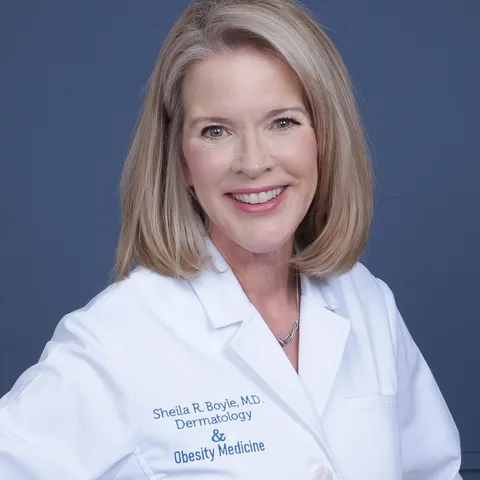
A solo direct-pay practice in Lone Tree whose stated scope is dermatology, cosmetic procedures and medically supervised weight management. The physician is board certified in dermatology and obesity medicine. Every initial visit is by video, with in-person follow-ups by appointment, and the practice does not bill insurance. Hormone replacement therapy is named only as one reason for a new-patient visit on the fee schedule, and no hormone or menopause care is described anywhere else on the site.
Therapy for Midlife is Dr. Rashkis's solo virtual practice, and every session runs over video. She works with women moving through perimenopause and menopause, and she also sees men in midlife and couples. Care is talk therapy only, and the FAQ says the practice does not prescribe medication, though she will discuss a referral to a prescribing physician and can speak with your own doctor if you give written permission. For menopause she uses cognitive behavioral therapy for the distress that comes with hot flashes and CBT for insomnia for sleep trouble, alongside acceptance and commitment therapy and emotionally focused therapy. Sessions are 50 minutes, usually weekly at first and then spaced further apart, and she says most clients need five to fifteen of them. She is a lifelong competitive athlete who says she went through her own midlife upheaval, which is what led her to start the practice.
Dana Johnson is a registered nurse who spent about 20 years in the ICU before founding Qavah Functional Wellness, a telehealth-only practice. She started it after her own Long COVID turned into autoimmune and gut problems and then a hard menopause transition. Hormone therapy is offered to Alabama residents only, while the lab and gut health services also reach a few other southern states. Each hormone plan starts with lab work and a consultation, and bioidentical hormones come as creams, gels, pills, troches or injections. Prescriptions are written by the practice's licensed providers rather than by Dana, who is a nurse. New patients start with an online consultation request, and the team calls back within one business day.
Angela Jones handles menopause and hormone care at Phase II Center for Women's Health, a gynecology and pelvic health clinic in Millcreek run by an all-female team. The clinic does no obstetrics, so appointments are not bumped for deliveries. Before moving into women's health she worked in emergency medicine and critical care. She prescribes both bioidentical and conventional hormone therapy, offers non-hormonal options, and keeps an eye on bone and heart health after menopause. She also covers routine gynecology like annual exams and contraception, and a gynecologic surgeon in the same office sees bladder and prolapse problems. The clinic bills insurance, and visits are booked by phone.
Dr. Malcolm runs a telehealth-only menopause practice and sees women in perimenopause and menopause by video. Care starts with a free 15-minute discovery call, then a full consultation and a membership that runs for six or twelve months. She prescribes hormone therapy when it fits and will also prescribe GLP-1 medication for weight as one part of a wider plan. Besides being an OB-GYN, she is a certified fitness and nutrition coach, and strength training to keep muscle is a big part of how she works. She often starts treatment based on symptoms and health history rather than hormone blood tests.
Lacey Howard runs Evolve Women's Health as a solo telemedicine practice for perimenopause and menopause, and she is the only clinician on the booking calendar. Care happens by video with patients in Colorado and Oklahoma, and there is no office for patients to visit. The first visit is a full hour spent on a patient's history and symptoms before any plan is written, and follow-ups are half that length. Her own answers on the site name hormone replacement therapy, non-hormonal medication and lifestyle change as the routes she works with. She says she started the practice so appointments would not be rushed or cut short. She lives in Longmont with her husband and their two daughters, and spends her time off gardening, hiking and fishing.
Amy Burgess is a certified nurse midwife at Lone Tree OB/GYN and Midwives, an obstetrics and gynecology practice with offices in Lone Tree and Castle Rock. Her own bio places her at the Castle Rock office, and she is one of only three providers the practice names as performing hormone pellet therapy, which it does only at the Lone Tree office. The practice uses Biote pellets and no other brand, and it starts hormone care with a consultation and a full hormone panel before deciding whether someone is a candidate. She came to midwifery after more than a decade as a labor and delivery nurse, and her bio describes a holistic, evidence based approach built on informed consent. She also encourages balanced nutrition, regular exercise and stress management as part of her care. The practice runs a separate aesthetics department offering radiofrequency treatments for vaginal dryness and painful sex, but it does not say which providers perform them.
Alina Love runs Love Wellness as a direct primary care practice where members pay a flat monthly fee for unlimited visits, which run from 30 minutes to two hours, with texting and calls in between. She sees men, women and children, and hormone therapy sits inside her general primary care rather than being sold on its own. She used to run a hormone-only plan and dropped it, because she found most patients needed more than hormones, and she now checks labs before prescribing. Lab draws happen in the office and members can book a short appointment just for a blood draw, and generic medications from a members-only formulary are free up to six times a year. She writes plainly about what she will not prescribe, including the peptide BPC-157. The practice works from three Colorado offices, in Steamboat Springs, Hayden and Elizabeth, and the Elizabeth office is by appointment only.
Boulder Women's Clinic is an independent gynecology practice in Boulder that stopped delivering babies in 2000 so it could concentrate on gynecologic care. Jennifer Stanzel has been a physician assistant for more than 30 years and joined the clinic in 2006, after starting out in family practice and internal medicine. Her stated interests include menopausal hormone therapy, adolescent gynecology, contraception counseling and management of abnormal Pap smears, and she has about 20 years of experience placing IUDs and Nexplanon implants. The practice treats perimenopausal and postmenopausal symptoms with hormone replacement therapy as well as non-hormonal options, and it also works on bone loss, breast health and cardiovascular health through the transition. It says it is the only gynecology practice in Boulder offering the MonaLisa Touch fractional CO2 laser, which it uses for vaginal dryness, painful sex, repeat infections and urinary incontinence in women who cannot or would rather not use hormones. New patients fill out a paper form before the first visit, and the clinic says its providers can often fit people in the same day or the same week.
Evermore Women's Health is Kristen Wolfe's own clinic and she is the only clinician named on the site. Care runs as a membership with a capped panel of about 200 patients, and most members are seen every four to eight weeks. Before founding Evermore she was clinical director for a national women's health telehealth company, and she says she is most useful to women who have been told elsewhere that their case is too complicated for hormone therapy. She prescribes systemic and vaginal estrogen, progesterone and testosterone, and uses non-hormonal drugs such as Addyi and Vyleesi for low desire. Nothing is sold in the office, so there is no supplement line and no proprietary lab panel. She does not do surgery or pregnancy care and refers those out, and she does not manage hormone therapy for gender transition.
Abbey Seufer runs Wildflower Hormones in Fort Collins and sees women through perimenopause and menopause. She spent 20 years as a PA in OBGYN before opening a clinic built around hormone replacement, metabolic health and functional nutrition. Hormone therapy is bioidentical and comes in oral, transdermal, vaginal and injectable forms, and she tests heavily before prescribing, using DUTCH urine panels, GI Map stool tests and micronutrient work. She also prescribes GLP-1 medication through a monthly weight loss club she runs herself. The clinic says plainly that it does not replace a primary care doctor or an OBGYN, so patients keep their existing providers. Abbey sees patients both by video and in the office, and because she is licensed only in Colorado, women from out of state can be seen only at the Fort Collins office.
Dr. Long runs a newly opened direct primary care practice in Laguna Niguel. He is a board-certified family doctor with a fellowship in integrative medicine, so menopause care is one part of what he does for adults rather than the whole practice. Hormone therapy evaluation and ongoing dose changes come with the monthly membership, with no separate charge for those visits. He keeps his patient list small and says visits run 45 to 60 minutes, and members call or text him directly instead of going through a front desk. He is fluent in English and Spanish and has training in addiction medicine.
Dr. Yehl founded Coastal Women's Medical after 24 years in hospital medicine, having worked first as a nurse and then as a certified nurse midwife before medical school. The practice is built around long visits, with 90 minutes for a new patient and a care plan written once labs come back. Ongoing hormone care runs on a monthly membership with quarterly visits, and patients who become clinically stable can step down to a cheaper program with fewer visits. Weight change in midlife is treated as a hormonal problem, so GLP-1 medication is managed alongside hormone therapy rather than in a separate track. Primary care is reserved for concierge members, and everyone else is seen for hormone, menopause or weight care. The office also runs medical grade red light therapy and a paid audio course for women who want to arrive at an appointment prepared.
A physician-led longevity and performance practice based in Seattle, where the practitioner is medical director. Care begins with an in-person day in the Seattle area for baseline diagnostics, covering over a hundred biomarkers, body composition, cardiorespiratory fitness, continuous glucose monitoring, genomics and multi-cancer screening. It then moves to quarterly labs and structured medical reviews, with follow-ups virtual or in person. A women's track is described for perimenopause, menopause and after, with hormone and metabolic diagnostics and ongoing telehealth support, and physicians provide prescriptions and referrals as clinically appropriate.
Dr. Anyaoku founded Hibiscus Aesthetics and Wellness in Katy and is the only clinician there. Hormone care starts with a wide lab panel rather than a symptom questionnaire, and she orders markers like free T3, DHEA-S and fasting insulin that a standard physical skips. She prescribes bioidentical hormones as patches, creams, injections or pills, and no page on the site mentions pellets. She is also a diplomate of the American Board of Obesity Medicine, so weight and hormone questions get handled in the same visit. Aesthetic treatments happen in person at the Katy clinic, while hormone, weight and longevity care can be done by video in 23 states. You pay per visit and there is no membership or package.
Dr. Oberg is a naturopathic doctor who runs a concierge practice from an ocean-view office in La Jolla. She has practiced since 2003 and was the founding medical director of Bastyr University's California campus. Hormone care starts with a symptom and history review and a hormone test, then moves to bioidentical hormones when they fit. She says hormones are not required and may begin with botanical or non-hormone support first. Care runs through fixed-length programs or a year-long membership, with a health coach on the team and a covering doctor when she is away. She also sees patients by video and keeps small offices in Arizona and Washington.
IntimMedicine Specialists is a small Washington DC practice that Dr. Simon founded and still runs as medical director, with two physician assistants who have worked with him since the 1990s. He treats women across the whole reproductive span, and the midlife side of the practice covers menopause and perimenopause, low testosterone, bone loss, sexual pain and sexual function after cancer. His approach to hormones is to balance estrogen, progesterone and testosterone, and the practice says most women can use hormone therapy with few risks. For testosterone he will use gels, injections or pellets, and he says he does not treat on lab values alone. Visits happen in the M Street office or by video, and virtual appointments are offered on Saturday mornings as well as weekdays. New patients submit a form or call and the office rings back to finish booking, and because the practice runs its own clinical trials some patients are offered a place in a study.
Gliss Wellness is a virtual-only OB/GYN practice Dr. Walsh co-founded with a second board-certified OB/GYN, and menopause care is its main focus. Care starts with a 30-minute video consultation about your symptoms, and if hormone therapy suits you, you leave with prescriptions for the first three months. A follow-up at three months keeps refills going for the rest of the year, and refills in between happen by message through the patient portal. There is no membership, and you fill prescriptions at your own pharmacy. The doctors can't examine you in person but can order labs and other tests. Dr. Walsh's own interests include pelvic pain, endometriosis, fibroids and weight loss, and a free 15-minute call lets you meet the team before booking.
Takes Aetna, Blue Cross Blue Shield +4 · first visit $150
Kelly Perisin is a nurse practitioner at MyMenopauseRx, a video-only practice that treats nothing but perimenopause and menopause. It was started by a Chicago-area gynecologist and bills insurance like a regular office. Visits take about 30 minutes on Zoom, and you can book the same clinician every time and message the care team between visits. Kelly came to menopause care from weight management and urgent care, and she draws on that when helping women with midlife weight gain. The practice prescribes FDA-approved estradiol and progesterone sent to your own pharmacy, and it prescribes testosterone directly only for patients in Illinois. It is meant to work alongside your own primary care doctor, who still handles anything that needs a physical exam.
Beyer is a Midi clinical leader and sits on the company advisory board, and she still sees patients by video. She trained in obstetrics and gynaecology, then dropped obstetrics to work on gynaecology and hormonal health only. Weight is her second focus and she holds a diplomate from the American Board of Obesity Medicine. She talks openly about gaining weight before her 50th birthday and losing 35 pounds over five months, and she uses that with patients who are struggling. Care runs through Midi only, so visits are by video and anything needing an exam or imaging goes to an outside clinician. Her page has no booking link of her own, so the Midi sign-up does not let a new patient choose her by name.
Dr. Onstad is a board certified OB/GYN and certified menopause practitioner who has worked at this Denver practice for about twenty years. She is one of eleven OB/GYNs at HCA HealthONE Midtown OB/GYN, and her own provider page lists hormone replacement therapy among the care she provides. The practice service list names menopause and perimenopause assessment and treatment alongside ordinary gynecology, obstetrics and in office procedures such as uterine ablation and IUD placement. She led the OB/GYN department at HCA HealthONE Rose and served as chief of staff there, and she has volunteered on medical missions in Thailand, Senegal and Peru. The office sits in the Wolf Building on the Rose hospital campus and has free valet parking at the front entrance. She speaks English and Spanish, and a new patient can book with her by name through the practice online scheduling page.