86 practitioners have an office in Connecticut, and 85 more can see patients here by telehealth. 117 of them are certified by the Menopause Society, and the most are in Greenwich, New Haven and Stamford.
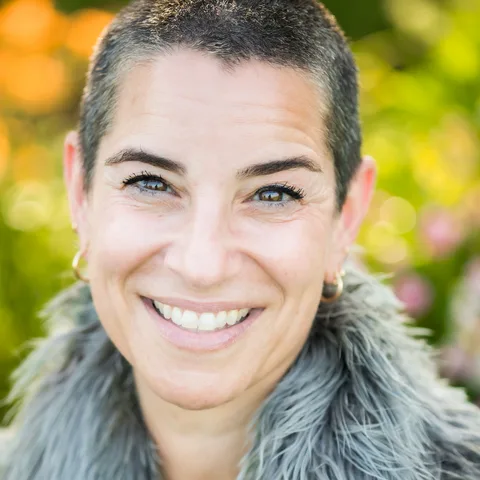
Dr. Ghofrany is a longtime OB/GYN who runs a video-only menopause practice for women in Connecticut and Florida. Care comes as a six-month or one-year membership with an hour-long first visit, shorter follow-ups and unlimited portal messages, or as a single one-hour consult. She requires every patient to keep her own primary care doctor and gynecologist for exams and screening, and asks for recent screening results when you join. She prescribes hormone therapy often, mostly FDA-approved bioidentical products from regular pharmacies, and uses compounding only when a patient needs a formula that isn't sold commercially. She is not the place for a quick hormone refill, because visits center on talking through options like nutrition, exercise and mindset alongside medication. She speaks openly about her own ovarian cancer and surgical menopause, and also sees women dealing with cancer survivorship, endometriosis and PCOS.
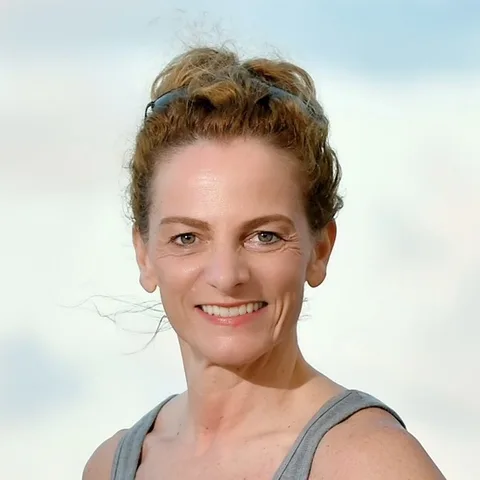
Dr. DiGirolamo is a reproductive endocrinologist who spent a decade as a fertility specialist at Boston IVF before opening this virtual practice. She sees women from their first periods through menopause, with a focus on active women and athletes, and she manages perimenopause, menopause and hormone therapy. Care starts with a 50-minute Zoom consultation after an intake questionnaire, followed by shorter video follow-ups. Visits are video only, and a medical visit is only possible if you are calling in from a state where she is licensed. She is also a CrossFit trainer and nutrition coach, and she builds care on exercise and nutrition first, adding medication as needed. She does not provide primary care and recommends you keep your own primary care doctor.
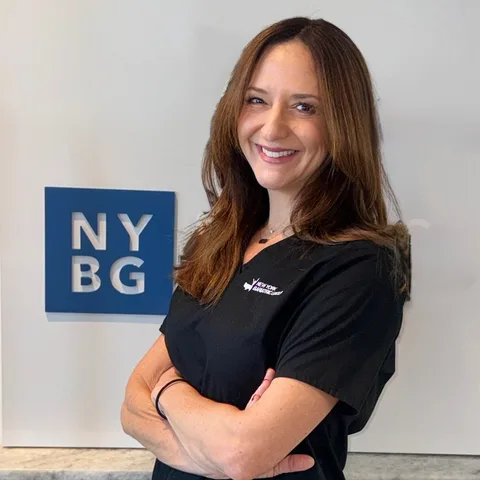
Angela Glasnapp leads Prime Women's Health and Wellness, a menopause program housed inside the New York Bariatric Group. She is a board certified bariatric surgeon and obesity medicine specialist who went on to become a certified menopause practitioner, so one doctor handles both the hormone side and the weight side of midlife. Care runs as a yearly concierge membership with extended visits, priority scheduling, and direct access to her by portal, text or email between appointments. She prescribes systemic and vaginal hormone therapy as well as non hormonal options, and will add a GLP-1 medication to a midlife plan when it fits. Visits happen in person at a few New York and New Jersey offices or by video for patients in New York, New Jersey and Connecticut.
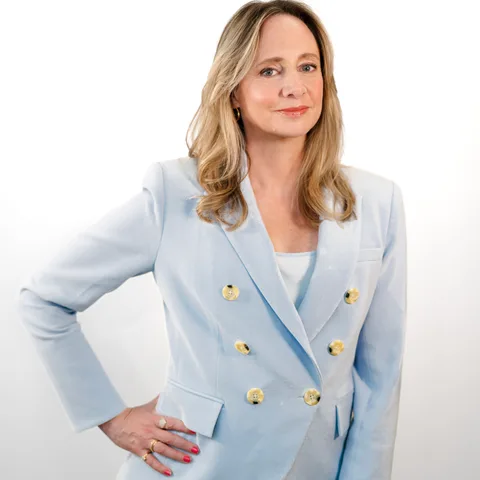
Dr. Menn is an OB/GYN who sees menopause patients only by video, and only women living in New York, Connecticut, Vermont or Florida. She survived breast cancer more than 20 years ago, went through premature menopause herself and carries a BRCA mutation. A lot of her practice is breast cancer survivors and BRCA carriers who want help with menopause symptoms and hormone questions. The first visit is an hour long, covering your history and a risk check for heart, breast and bone health, and it ends with a written plan that may include hormone therapy, vaginal hormones or non-hormonal medicine. New patients email the office first and are then told which visit to book. She works alongside your own gynecologist or oncologist rather than replacing them.
Diana Kumar is a board certified OB-GYN who co-founded Gliss Wellness, a virtual practice built around perimenopause and menopause. All care happens by video and secure messaging, so there is no office to visit. A menopause visit runs about 30 minutes and ends with a plan and prescriptions for an initial three month period, followed by a check-in visit before refills continue for the rest of the year. She prescribes hormone therapy when it fits, can order labs and scans, and sends prescriptions to the patient's own pharmacy. She also sees women for weight counseling and for urgent gynecology problems handled through a short written form. Her stated areas of interest are PCOS, sexual dysfunction, bone health and longevity medicine.
Dr. Fleischman runs a small hormone practice in Stamford that treats both women and men. Care starts with a free 15 minute phone call, then a detailed health questionnaire filled in through the patient portal and an hour long first visit. A phlebotomist comes to your home or office to draw blood and collect urine or saliva samples, and those results shape a written plan given at a second visit. She leans hard on bioidentical hormones and offers pellets, injections, creams, capsules and vaginal treatment, with prescriptions filled at either a compounding pharmacy or a regular one. Her training is in anti-aging and functional medicine rather than gynecology, so plans come with food, sleep and stress advice alongside the hormones. Follow up is about six weeks in and then two to four times a year.
Dr. Weisenfeld is a board-certified internist with rheumatology training who runs a small private-pay practice only for perimenopause and menopause. She sees patients in person in Westport and by video across Connecticut and New York. The first visit is a 50-minute consultation, and she pays particular attention to bone health. She also sees women with a history of breast cancer, and a free discovery call is offered before booking.
A menopause and perimenopause practice run out of a direct primary care office in Orange, with visits in person or by video. Care is a multi-year membership whose check-ins thin out as symptoms settle, every two months in the first year and every six months from the third, with extra visits in between at no added cost. The practice is deliberately a specialized addition rather than a replacement, and asks patients to keep their own primary care doctor and gynecologist. A separate one-off consultation is available for women who want an assessment and a written summary to take to their own physician, and it excludes prescribing.
Dr. Carol runs a small concierge practice for women in perimenopause and menopause, and she is going through midlife herself. She spent about 20 years as an emergency physician before turning to menopause care. Care starts with a free 30-minute video call, then a package of two long visits, each 60 to 90 minutes, with messaging between and after them. Visits can be at her Manhattan office, by video, or at your home or workplace. The visits look at symptom treatment along with bone, heart and breast cancer risk. She does not replace your own doctors, so you still need a primary care doctor and a gynecologist for exams and mammograms.
A concierge integrative and functional internal medicine practice in Manhattan for adults with chronic conditions and midlife health, led by a board-certified internist who is also a Menopause Society Certified Practitioner. Care is sold as twelve-month packages pairing physician visits with an integrative health advisor. The first assessment is a 90-minute consultation plus an advisor visit, and New York patients are encouraged to come in for a brief exam. Consultations are by video, with unlimited portal messaging and calls answered within one to two business days.
Dr. Bernard is a family doctor in New Milford with extra fellowship training in reproductive health. Menopause care and hormone therapy are a named part of her practice, alongside sexual health and caring for patients with complicated medical histories. Before medical school she worked in contraceptive research. She sees patients at the Northwell primary care office and at the Women's Wellness Center at New Milford Hospital, both on Elm Street. She grew up in the town and speaks Spanish as well as English. Appointments are made by calling the office.
Dr. Dweck is a gynecologist who sees menopause patients at Well by Messer, a multi-specialty metabolic and wellness practice on the Upper East Side of Manhattan. She moved there after 29 years in practice in Westchester County. At the practice she focuses on gynecology, menopause and sexual health, including hormone therapy, painful sex, low libido and vaginal changes after menopause. She also has training in medical sex therapy, which is unusual for a menopause doctor. New patients request an appointment through an online form, and the office calls back within a day to confirm it. Outside the clinic she is chief medical officer of Bonafide, a company that makes non-drug menopause products.
A solo direct-pay practice in Lone Tree whose stated scope is dermatology, cosmetic procedures and medically supervised weight management. The physician is board certified in dermatology and obesity medicine. Every initial visit is by video, with in-person follow-ups by appointment, and the practice does not bill insurance. Hormone replacement therapy is named only as one reason for a new-patient visit on the fee schedule, and no hormone or menopause care is described anywhere else on the site.
Dr Adegbola runs a one-office lifestyle medicine practice in King of Prussia and sees patients in person or by video. She says plainly that she does not do primary care or urgent care, so she works alongside whoever already handles that for you. Hormone care here is bioidentical estrogen, progesterone and testosterone, and she builds the plan from lab panels and body composition data. She also runs a medical weight loss track using GLP-1 medications and a gut health program built on stool and food sensitivity testing. She trained as a physician-scientist and says the metabolic shifts she noticed in her own mid-30s are what pushed her toward this work. New patients start with a consultation and can then pay per visit or join a monthly membership that adds short visits and messaging access in between, though women on Medicare can be seen but cannot join a membership.
Dr. Anyaoku founded Hibiscus Aesthetics and Wellness in Katy and is the only clinician there. Hormone care starts with a wide lab panel rather than a symptom questionnaire, and she orders markers like free T3, DHEA-S and fasting insulin that a standard physical skips. She prescribes bioidentical hormones as patches, creams, injections or pills, and no page on the site mentions pellets. She is also a diplomate of the American Board of Obesity Medicine, so weight and hormone questions get handled in the same visit. Aesthetic treatments happen in person at the Katy clinic, while hormone, weight and longevity care can be done by video in 23 states. You pay per visit and there is no membership or package.
Elektra Health is a virtual menopause practice where every visit happens by video, and each patient is paired with a Menopause Society certified clinician plus a coach for nutrition, exercise and emotional support. Elektra clinicians prescribe FDA-approved hormone therapy and non-hormonal options, and the company says plainly that it does not prescribe compounded or non-FDA-approved medications and does not make money from selling supplements or products. It is also not doing medical weight loss at the moment. Visits are billed to insurance where Elektra is in network, and there is a published cash rate for people who are not. DeLasho has belonged to The Menopause Society since 1994, and she says she moved into telehealth because a routine annual gynecology visit never left enough time to talk about menopause. She is named on Elektra's clinician pages, but the sign-up flow pairs each patient with a clinician rather than letting a new patient choose her.
Gliss Wellness is a virtual-only OB/GYN practice Dr. Walsh co-founded with a second board-certified OB/GYN, and menopause care is its main focus. Care starts with a 30-minute video consultation about your symptoms, and if hormone therapy suits you, you leave with prescriptions for the first three months. A follow-up at three months keeps refills going for the rest of the year, and refills in between happen by message through the patient portal. There is no membership, and you fill prescriptions at your own pharmacy. The doctors can't examine you in person but can order labs and other tests. Dr. Walsh's own interests include pelvic pain, endometriosis, fibroids and weight loss, and a free 15-minute call lets you meet the team before booking.
Beyer is a Midi clinical leader and sits on the company advisory board, and she still sees patients by video. She trained in obstetrics and gynaecology, then dropped obstetrics to work on gynaecology and hormonal health only. Weight is her second focus and she holds a diplomate from the American Board of Obesity Medicine. She talks openly about gaining weight before her 50th birthday and losing 35 pounds over five months, and she uses that with patients who are struggling. Care runs through Midi only, so visits are by video and anything needing an exam or imaging goes to an outside clinician. Her page has no booking link of her own, so the Midi sign-up does not let a new patient choose her by name.
Dr. Fitz founded this very small consultation practice in December 2017 and works as a consultant rather than as a regular doctor. Patients are asked to keep their own primary care and full scope women's health provider, because the practice does not cover urgent care, obstetrics or surgery. The integrative and functional medicine first visit runs two hours, and patients submit a long health history and a three day food log beforehand. The stated preference is FDA approved estradiol patches and oral progesterone, with compounded formulas used only when a patient cannot tolerate a product or needs a dose or delivery method that is not made. Low dose topical testosterone gel or cream is prescribed for libido, and the practice says plainly that it will not use testosterone pellets because they push levels higher than is safe for women. Training was in integrative medicine under Andrew Weil in Arizona, and herbs and supplements are used alongside medicines, with an online dispensary for registered patients.
Dr. La Perla is an OB-GYN with Women's Health Group, part of the large Women's Health Connecticut network, and sees patients in Enfield and Wethersfield. She joined the group in 2022 after residency at St. Francis, where she won an award for excellence in female pelvic medicine and reconstructive surgery. Her bio links to her Menopause Society certification. The group's menopause care uses standard hormone therapy with estrogen and progestin, and it also offers non-hormonal medicines for hot flashes. She works within a full-scope gynecology practice rather than a menopause-only clinic, and her bio says she is taking new patients.
Dr. Lormand is a board certified obstetrician gynecologist at OBGYN and Midwifery of Connecticut, a group of physicians and nurse midwives with offices in Manchester, Colchester and Mansfield Center. She says she cares for women through every stage of life, from puberty and the reproductive years through menopause, and she is a Menopause Society Certified Practitioner. The practice lists menopausal management and hormone replacement therapy among the services it provides, and her own provider profile lists menopausal care and vulvovaginal treatment among the services she offers. For genitourinary symptoms the group describes creams, ointments and low dose topical estrogen, and for hot flashes it describes hormone therapy or certain antidepressants. She also performs office gynecology procedures, endometrial ablation and laparoscopy, while robotic surgery and pelvic floor care are listed for other physicians in the group rather than for her. A mother of three, she says what she likes most about women's health is making patients feel comfortable in a setting that can often feel vulnerable.
Erica Kesselman has been on the medical staff at Day Kimball Hospital in Putnam since 2002 and practises with the Day Kimball Medical Group OB/GYN office on that campus. The group's service list runs from annual exams and maternity care through menopause management, minimally invasive gynecologic surgery and in-office procedures, and the same practice has a second office in Plainfield. Day Kimball lists Dr. Kesselman's own professional interests as pediatric and adolescent gynecology and sexual dysfunction. The hospital's provider directory badges the OB/GYN colleagues at that office as accepting new patients and carries no such badge for Dr. Kesselman, so a new patient may be routed to a colleague. Most of what Dr. Kesselman publishes personally is health education rather than practice information, including two monthly video libraries, one on sex and one on menopause, which the site says are not medical advice. Dr. Kesselman also teaches sex education in local middle and high schools and was a regular voice on a Putnam radio morning show for more than ten years.
Brookside Gynecology is a four physician practice in Greenwich that no longer provides obstetrical care beyond the first trimester and now works entirely in gynecology, with a particular eye on the years after family building. Dr. Francis joined in 1995 after completing both her medical degree and her obstetrics and gynecology residency at Yale-New Haven, and she is one of two certified menopause practitioners on the team. The practice describes itself as a team of experienced menopause practitioners and frames hormone therapy as one option among several to weigh against a woman's own risks and quality of life. Her own listed interests are perimenopause and menopause care, diet and exercise for women's health, operative hysteroscopy including polypectomy and myomectomy, and the workup of abnormal Pap tests with colposcopy and biopsy. She also holds a gynecologic ultrasound certification from the American Institute of Ultrasound in Medicine, and the office runs its own pelvic ultrasound and an on-site blood draw so testing can often happen during the same visit. Visits are by appointment only with no walk-in hours, and the office tries to fit in same-day problems.
Online Benign Gyne is Dr. Todd's own telehealth practice, and every visit happens by video. She sees women for contraception, breast concerns, vaginal and vulva problems, menopause and facial skin care, and consultations and referrals are part of what she offers. Her site carries long plain-language explainers on hormone therapy, PCOS, urinary infections and breast exams. She is a New Orleans native and a military veteran who served during Operation Desert Storm and later at Walter Reed Medical Center. She says she especially enjoys caring for older women because she has faced the same changes herself. New patients can pick a video slot through the practice's own online scheduler.