Menopause Society Certified Practitioners in Florida
291 practitioners have an office in Florida, and 197 more can see patients here by telehealth. 306 of them are certified by the Menopause Society, and the most are in Miami, Orlando and Jacksonville.
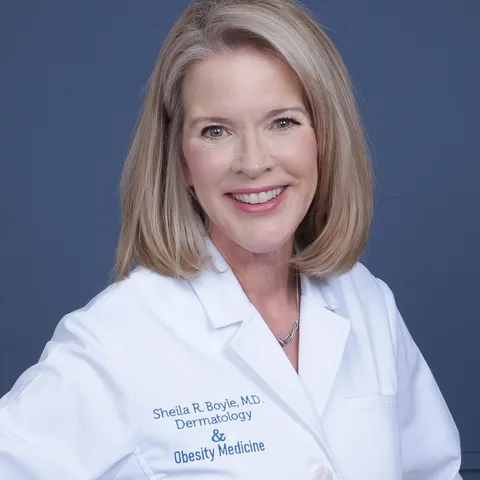
A solo direct-pay practice in Lone Tree whose stated scope is dermatology, cosmetic procedures and medically supervised weight management. The physician is board certified in dermatology and obesity medicine. Every initial visit is by video, with in-person follow-ups by appointment, and the practice does not bill insurance. Hormone replacement therapy is named only as one reason for a new-patient visit on the fee schedule, and no hormone or menopause care is described anywhere else on the site.
RegenCen is a hormone and regenerative medicine group with more than twenty offices across Michigan and Florida, and Amanda is its chief clinical operations officer as well as a treating PA. Care starts with a consultation and a full history, then a lab order, and you come back to go over the results before hormones are started. They use bioidentical estrogen and testosterone in pellet, gel, cream, oral and vaginal forms, and they recheck labs every three to four months. The practice is openly in favor of pellets and describes the insertion as a quick office procedure that lasts about three months for women. Amanda also trains and certifies the group's other clinicians in hormone care, so her name sits behind the protocols as well as the exam room. Alongside hormones the offices do medical weight loss with GLP-1 medicines, hair restoration injections, and device treatments for bladder leakage and vaginal comfort.
This is a virtual-only practice run by one nurse practitioner, with no office to visit. She spent much of her career at a cancer center caring for women with breast cancer. She saw how treatment can start or worsen menopause symptoms, and that is what pulled her toward menopause care. Patients do video visits, then get lab or imaging orders to complete locally and prescriptions sent to their own pharmacy. She asks that every patient has a gynecologist for routine exams. Follow-up visits and secure messaging run through a patient portal.
Dr. Ward runs a small independent gynecology practice in Fort Myers. She stepped away from obstetrics in 2023 to open it. Menopause care and weight management are two of its main focuses. She is separately board certified in obesity medicine and can manage a weight loss medication alongside hormone therapy. New patients get an hour for a first visit, and there is no membership. Some visits can be done by video when no exam is needed, and a nurse practitioner also sees hormone therapy patients.
Renea Clowdsley is the only clinician at this small primary care office in Gulf Breeze. Menopause care sits in the same chart as her blood pressure, diabetes, thyroid and weight work. New patients can book a perimenopause evaluation that runs 45 to 60 minutes and includes hormone and vitamin labs, or start with a short free tele-visit. Her hormone page says she picks the patch, gel, injection or other route after a history and labs, and that pellets are not her default. She also says bioidentical is a chemistry term and not a safety guarantee, and that compounding needs a reason. Cancer care is referred and she says she will not override a high-risk history to keep prescribing.
Dr. Evans runs a small direct pay primary care clinic in Pensacola with evening and weekend hours. Menopause hormone therapy is one of her main services, alongside disease prevention, sexual health and weight loss. She also sees men, and she does not treat chronic pain. A new patient starts with a longer in-depth visit, either in the clinic or by video if you live in Florida or Iowa. After that, follow-ups can be in the clinic or by video. Insurance is not billed for her visits, though you can use your coverage for lab work or some prescriptions.
Somæntis is a small longevity and metabolic health clinic in Boca Raton that Dr. D'Aleman opened in 2024 with her husband, who manages it. Care runs on an annual membership that covers a set number of physician visits, email and text access, and a block of testing including a DEXA scan, resting metabolic rate and a wide blood panel. She treats hormones as part of the metabolic picture rather than a separate track, and prescribes hormone therapy, testosterone and GLP-1 medication where they fit a plan. Before this she spent years as a pediatrician, including frontline primary care in rural Oregon during the pandemic, then retrained in lifestyle and obesity medicine. Visits can be in the office or by video, and new patients start with a free 20 minute meet and greet with the physician. The clinic says plainly that it is not a primary care practice and does not cover urgent or emergency needs.
FemGevity is a virtual women's health service that works alongside a patient's own doctor, and Dr. Abrahams is its menopause medical advisor. He sees patients himself by video, starting with a 45 minute consult about symptoms and hormone levels. Care starts with testing, usually a hormone panel of more than 100 biomarkers, with gut, micronutrient or genomic panels added when they are useful. Treatment can run from standard prescriptions to custom bioidentical compounds, and he describes his approach as conventional medicine combined with complementary care. He is a Harvard-trained gynecologist who also treats endometriosis, PMS and fibroids, and he still works part time for the Department of Veterans Affairs in New York and at Hackensack University Hospital in New Jersey. FemGevity's main menopause program runs through partner doctors' offices, where the blood draw is done, so it helps to have a doctor of your own.
Dr. Yehl founded Coastal Women's Medical after 24 years in hospital medicine, having worked first as a nurse and then as a certified nurse midwife before medical school. The practice is built around long visits, with 90 minutes for a new patient and a care plan written once labs come back. Ongoing hormone care runs on a monthly membership with quarterly visits, and patients who become clinically stable can step down to a cheaper program with fewer visits. Weight change in midlife is treated as a hormonal problem, so GLP-1 medication is managed alongside hormone therapy rather than in a separate track. Primary care is reserved for concierge members, and everyone else is seen for hormone, menopause or weight care. The office also runs medical grade red light therapy and a paid audio course for women who want to arrive at an appointment prepared.
A physician-led longevity and performance practice based in Seattle, where the practitioner is medical director. Care begins with an in-person day in the Seattle area for baseline diagnostics, covering over a hundred biomarkers, body composition, cardiorespiratory fitness, continuous glucose monitoring, genomics and multi-cancer screening. It then moves to quarterly labs and structured medical reviews, with follow-ups virtual or in person. A women's track is described for perimenopause, menopause and after, with hormone and metabolic diagnostics and ongoing telehealth support, and physicians provide prescriptions and referrals as clinically appropriate.
Dr. Anyaoku founded Hibiscus Aesthetics and Wellness in Katy and is the only clinician there. Hormone care starts with a wide lab panel rather than a symptom questionnaire, and she orders markers like free T3, DHEA-S and fasting insulin that a standard physical skips. She prescribes bioidentical hormones as patches, creams, injections or pills, and no page on the site mentions pellets. She is also a diplomate of the American Board of Obesity Medicine, so weight and hormone questions get handled in the same visit. Aesthetic treatments happen in person at the Katy clinic, while hormone, weight and longevity care can be done by video in 23 states. You pay per visit and there is no membership or package.
Caitlin Givens is one of two providers at Takoma Park Gynecology, a small woman-owned gynecology practice run by nurse-midwives. The practice covers care from adolescence through menopause and beyond, and it does no pregnancy care. A new patient can book with her online, either as a full new patient visit with an exam or as a menopause consultation that is a conversation only. She prescribes FDA-approved hormone therapy, including estrogen, progesterone and testosterone, and uses compounded hormones only when a manufactured product is unavailable or a poor fit. Beyond menopause she works in sexual medicine and chronic vulvar conditions, and the practice also handles bone health and prescription weight management. Her interest in women's health began as a Peace Corps volunteer in northern Senegal, and she teaches nurse-midwifery and women's health students at Georgetown.
Elektra Health is a virtual menopause practice where every visit happens by video, and each patient is paired with a Menopause Society certified clinician plus a coach for nutrition, exercise and emotional support. Elektra clinicians prescribe FDA-approved hormone therapy and non-hormonal options, and the company says plainly that it does not prescribe compounded or non-FDA-approved medications and does not make money from selling supplements or products. It is also not doing medical weight loss at the moment. Visits are billed to insurance where Elektra is in network, and there is a published cash rate for people who are not. DeLasho has belonged to The Menopause Society since 1994, and she says she moved into telehealth because a routine annual gynecology visit never left enough time to talk about menopause. She is named on Elektra's clinician pages, but the sign-up flow pairs each patient with a clinician rather than letting a new patient choose her.
Magnolia Gynecology is a small Tampa gynecology office founded by Dr. Alexandria Reyes, and Dr. Moorhead sees patients there in person. Her own bookable visits are all in-clinic, covering annual wellness and gynecologic problem visits, with a longer version when a pelvic ultrasound is needed. She is board-certified in Obesity Medicine on top of obstetrics and gynecology, so weight management sits inside her gynecologic care rather than alongside it. Her visits take in heavy bleeding, pelvic pain and hormone concerns through the menopause transition, and she pairs medical treatment with guidance on nutrition, sleep and activity. The office asks for the full fee at the time you book online. The virtual hormone consults advertised on the site are run by her partner through a separate company, so a video visit here is not with her.
Gliss Wellness is a virtual-only OB/GYN practice Dr. Walsh co-founded with a second board-certified OB/GYN, and menopause care is its main focus. Care starts with a 30-minute video consultation about your symptoms, and if hormone therapy suits you, you leave with prescriptions for the first three months. A follow-up at three months keeps refills going for the rest of the year, and refills in between happen by message through the patient portal. There is no membership, and you fill prescriptions at your own pharmacy. The doctors can't examine you in person but can order labs and other tests. Dr. Walsh's own interests include pelvic pain, endometriosis, fibroids and weight loss, and a free 15-minute call lets you meet the team before booking.
Takes Aetna, Blue Cross Blue Shield +4 · first visit $150
Kelly Perisin is a nurse practitioner at MyMenopauseRx, a video-only practice that treats nothing but perimenopause and menopause. It was started by a Chicago-area gynecologist and bills insurance like a regular office. Visits take about 30 minutes on Zoom, and you can book the same clinician every time and message the care team between visits. Kelly came to menopause care from weight management and urgent care, and she draws on that when helping women with midlife weight gain. The practice prescribes FDA-approved estradiol and progesterone sent to your own pharmacy, and it prescribes testosterone directly only for patients in Illinois. It is meant to work alongside your own primary care doctor, who still handles anything that needs a physical exam.
Catherine Scaletta sees patients by video through Midi Health, which lists her as a clinical leader. She is a women's health nurse practitioner who spent most of her career in outpatient OB-GYN offices, with a focus on sexual and reproductive health and breast care. She says she has cared for women in perimenopause, menopause and after menopause for fourteen years. A close family member went through triple-negative breast cancer in her early thirties, and helping her through a mastectomy, reconstruction and chemotherapy shaped how she thinks about individual care. She says the part she cares about most is building trust over time and meeting each woman where she is. Her page has no booking link of her own, so the Midi sign-up does not let a new patient choose her by name.
Beyer is a Midi clinical leader and sits on the company advisory board, and she still sees patients by video. She trained in obstetrics and gynaecology, then dropped obstetrics to work on gynaecology and hormonal health only. Weight is her second focus and she holds a diplomate from the American Board of Obesity Medicine. She talks openly about gaining weight before her 50th birthday and losing 35 pounds over five months, and she uses that with patients who are struggling. Care runs through Midi only, so visits are by video and anything needing an exam or imaging goes to an outside clinician. Her page has no booking link of her own, so the Midi sign-up does not let a new patient choose her by name.
Takes Aetna, Blue Cross Blue Shield +2 · first visit $250
Jennifer Soper is a women's health nurse practitioner who sees patients by video through Midi Health, a national virtual menopause practice. She spent 25 years as a labor and delivery nurse before becoming a nurse practitioner. She says estrogen therapy changed her own life when hot flashes started at 50, and that is why she moved into menopause care. Visits are billed to insurance or paid per visit, with no subscription. You can ask for her by name through the Book a Visit with Me link on her Midi page, though that can mean fewer open times than booking with any clinician.
Stephanie Hawkins sees patients through Midi Health, a national virtual clinic for perimenopause and menopause. Every visit is by video, and Midi's site names her on its clinician list with her own bio. She has been a nurse since 1992 and a nurse practitioner since 1996, and she is certified in both family practice and women's health. She became a Certified Menopause Practitioner because she saw midlife as one of the hardest stretches in women's lives. Midi starts with a half-hour first visit and books short follow-ups as often as needed. Care plans can include hormone and non-hormone prescriptions, labs, and weight medication, and video visits have to happen while you are in your home state.
Live Hearty is a small cash-style wellness clinic in Stuart that Dr. Libman started with a business partner who is a lawyer. Hormone therapy for menopause sits alongside IV therapy, medical weight loss and cosmetic injections. She is board certified in both internal medicine and emergency medicine and worked in local emergency rooms before opening the clinic. The site says she weighs each woman's risks first and aims for the safest form and dose, with regular monitoring after that. She suggests listing your symptoms, with the worst first, and bringing your history and medication list to the first visit. Visits are in person and by appointment only, and new patients start by sending a request through the site's form.
Mercedes Deal founded Rêver Wellness, a private-pay clinic in Coral Gables that blends hormone care with skin treatments and weight care. Hormone therapy there is only available through a paid membership, and the tiers that include it also cover follow-up visits and lab work. Care starts with baseline labs and a first visit of about two hours, then labs are repeated every three months while the plan is adjusted. She prescribes bioidentical estradiol, progesterone and testosterone for women in perimenopause and menopause. She is a family nurse practitioner with extra training in functional medicine and peptide therapy, and the clinic also runs a thyroid and adrenal workup. New patients start with an intake questionnaire and a member of the team replies within a day or two.
Reflections OB/GYN is a small women's health practice in the Viera area of Melbourne, and Badders is one of two nurse practitioners there who take the hormone cases. The practice says the two of them are the only menopause-certified nurse practitioners in Brevard County. Their appointments are booked longer than the usual slot, partly because they also treat men for low hormones. Care starts with in-office blood work to check hormone levels, then bioidentical hormone therapy if your history allows it, taken as a pill or a cream and made up for you at a compounding pharmacy. If you cannot take hormones, they will go through other options with you instead. She also sees women for bladder leaks, and she worked locally as a registered nurse before going back for her nurse practitioner degree.
Jessica Long is a nurse practitioner at a small wellness and aesthetics clinic in Ocala. Her bio says her work centers on women's health with a focus on perimenopause and menopause, and she has extra training in hormone replacement for men. She spent more than nine years as an intensive care nurse and also worked in nephrology and cardiology before moving into primary care. New patients book online through the practice's scheduler, starting with an initial hormone replacement consultation. Follow-ups can be done in the office or by telehealth. The practice runs weight management, vitamin injections and aesthetic services alongside hormone care.