291 practitioners have an office in Florida, and 197 more can see patients here by telehealth. 306 of them are certified by the Menopause Society, and the most are in Miami, Orlando and Jacksonville.
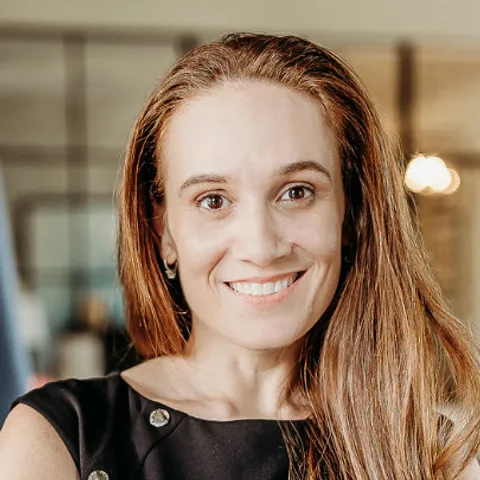
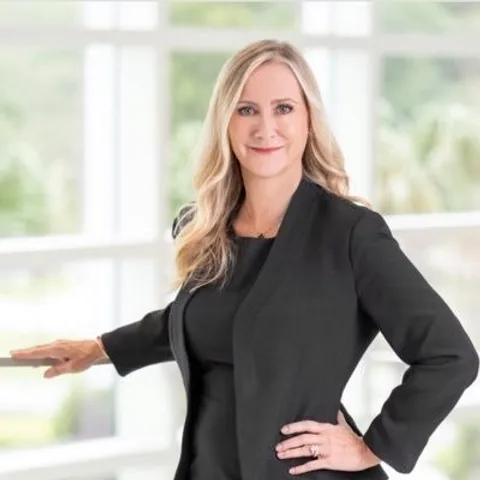
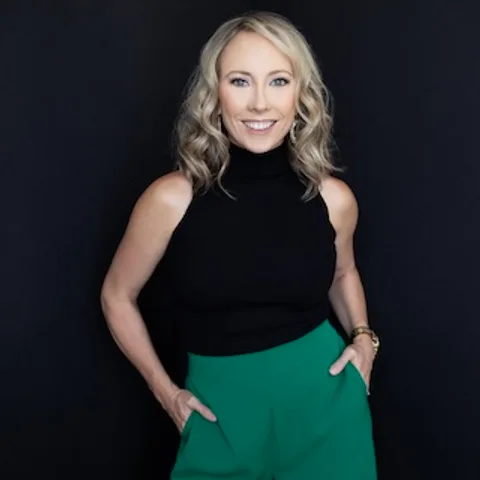
Kasianchuk is a registered dietitian at Gennev, a virtual menopause clinic, so her work is nutrition and lifestyle counseling rather than prescribing. Gennev's doctors handle medication and hormone therapy, and she works alongside them with shared notes in the patient record. Her own page names weight management, bone health and cardiovascular health as her areas, along with sports nutrition and exercise physiology. A first visit with her runs 50 to 55 minutes and follow-ups run 30 to 40 minutes, usually every two or three weeks for at least three months, with text support in between. She also runs Gennev's lifestyle care program as its senior director of lifestyle care. Gennev's weight management track starts with the dietitian rather than the doctor and you can self-refer into it, while nutrition care in the general menopause track comes as a referral from your first doctor visit.
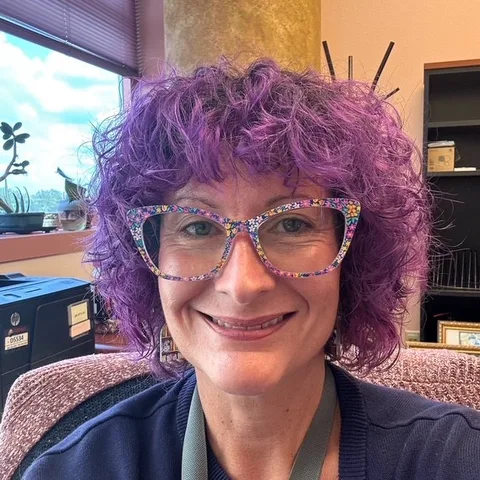
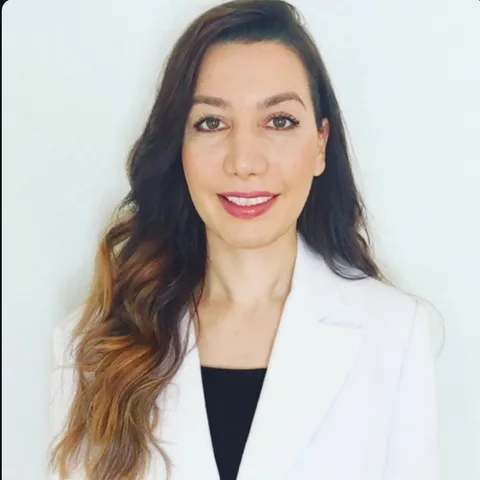
Jennifer Kramer is a health and wellness coach, not a clinician, so she does not prescribe, order tests or diagnose. Her work is one-to-one coaching on exercise, nutrition, sleep and mindset for women in the menopause transition. The main programme runs three months with an intake session, five shorter follow-ups and a personal exercise and nutrition plan. She also sells single coaching sessions and online personal training, and she trains other health coaches in menopause. She holds an advanced degree in behavior change and also works as a yoga teacher and personal trainer, and she says she is going through menopause herself. Her site is mostly about fat loss, strength and energy, so a woman who wants hormone therapy or a diagnosis will need a separate physician or nurse practitioner.
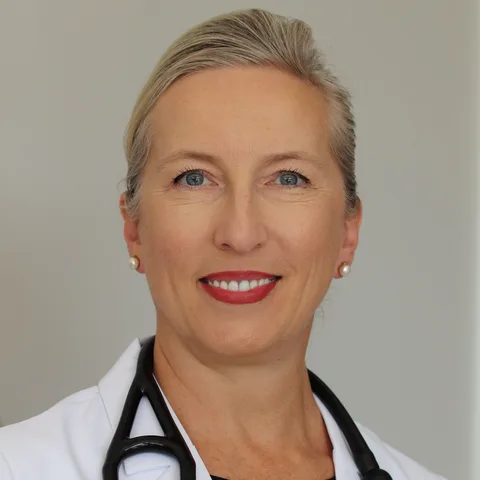
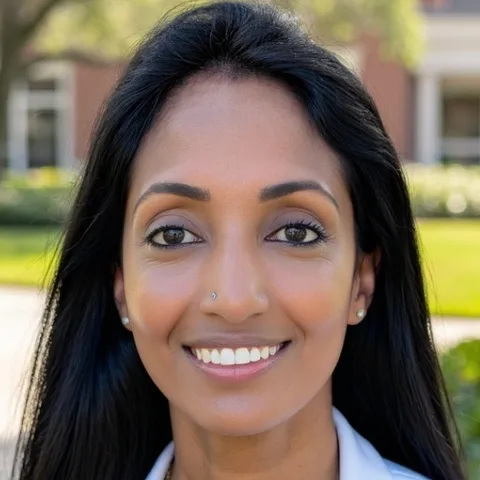
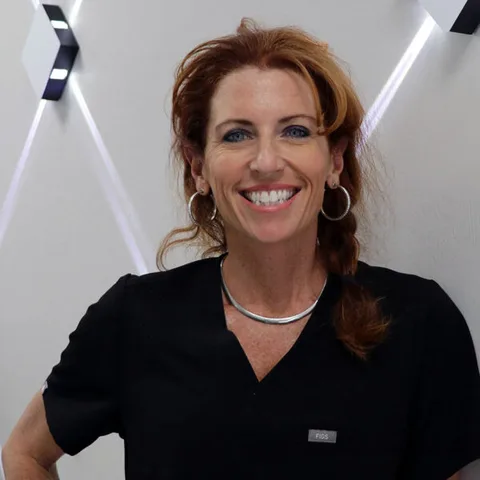
Rosalind Arp founded and owns this small practice in Winter Park. It treats both women and men with hormone therapy, and it also runs a medical weight loss program. Hormone pellets are one of the listed services, and a patient's review on the site describes her placing one. New patients can book a free introductory video visit if they are still deciding, or a full hormone consultation that leads into labs and a treatment plan. Visits are in the office or by telemedicine, and a patient portal handles refills and messages. The site is small and publishes no prices, so costs come up on the free intro call.
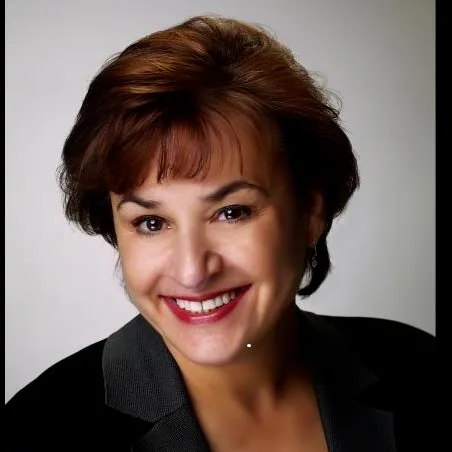
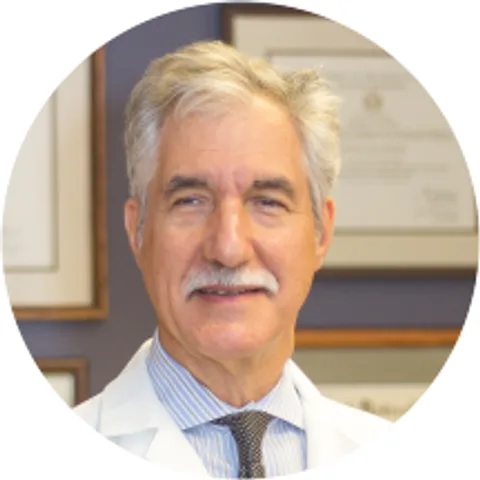
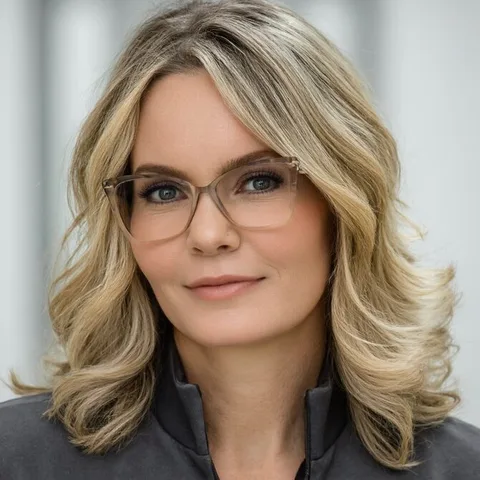
Carolyn Bernstein is a headache neurologist at the Osher Center for Integrative Health in Chestnut Hill, which is the Brigham's integrative medicine clinic. The Mass General Brigham profile describes a practice built on migraine and headache disorders, backed by a subspecialty certification in headache medicine. The profile lists membership of the North American Menopause Society and names hormonal headache among stated interests, but no page Mass General Brigham publishes describes menopause care or hormone therapy as care delivered here. The clinic's own service list runs to acupuncture, chiropractic care, massage, mindfulness training, health coaching and neurological conditions with headache called out, and names no menopause or hormone care at all. The Brigham's menopause programme sits in a different suite of the same building and is staffed from gynecology and endocrinology. Bernstein wrote The Migraine Brain and teaches neurology residents and Harvard medical students.