Menopause Specialists Who Accept Insurance in North Carolina
192 practitioners have an office in North Carolina, and 60 more can see patients here by telehealth. 172 of them are certified by the Menopause Society, and the most are in Charlotte, Raleigh and Durham.
Kristina Gardner is a family nurse practitioner at Access Internal Medicine, a small concierge primary care practice in Wilmington that she shares with a physician assistant. Hormone evaluation and therapy are part of her women's health care, and she offers video visits as well as office appointments. Patients pay a yearly membership on top of their regular insurance. Each clinician caps their panel at about 500 people, so visits run longer and same or next day appointments are usually possible. She spent about 15 years focused on diabetes care and is also a diabetes educator. The practice takes a functional medicine approach and will see members in the hospital or at home when needed.
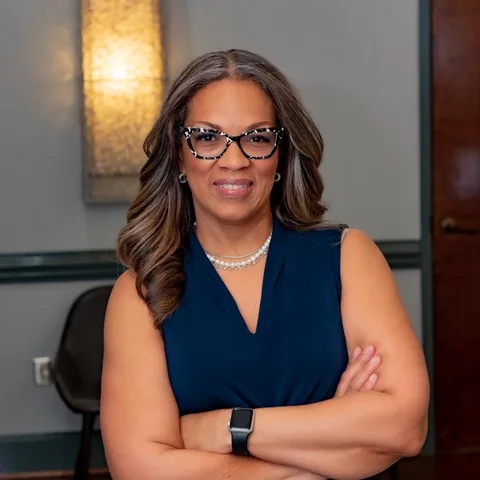
Arboretum Gynecology is a three-provider practice in south Charlotte that set aside obstetrics some years ago to do gynecology only. Dr. Freeman-Kwaku is the lead physician and has worked in the area for more than 25 years. She and the practice's nurse practitioner are the two providers who see patients for menopause care and hormone support, and the practice says any decision about hormones is made with the patient rather than from a set protocol. She does much of her own diagnostic and procedural work in the office, including hysteroscopy and the Cerene procedure for heavy periods, so most things can be handled without a hospital visit. Scheduling is mostly by phone, although two online booking tools are linked from the site.
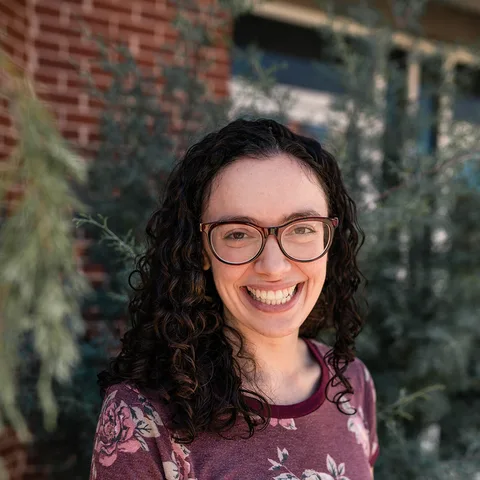
Rachel Picher is a certified nurse midwife at Harris Women's Care, a hospital-affiliated women's health group with offices in Sylva and Franklin. The group lists menopausal care, premenopausal symptoms and hormone replacement among its services. She also delivers babies and does routine gynecology, so menopause is one part of a broad practice. Her profile shows open appointment slots that new patients can book online. Visits are billed to insurance, and the group has a sliding fee discount for people who qualify by income.
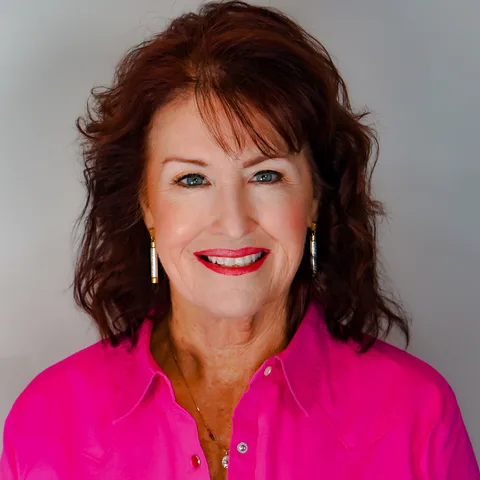
Maureen Whelihan directs this gynecology and sexual medicine practice in Greenacres and has been in Palm Beach County since 1997. Three nurse practitioners and physician assistants cover well visits and routine gynecology, so her own time goes to hormone therapy, sexual dysfunction, painful sex and transgender hormone management. The practice describes hormone treatment as estradiol and progesterone prescribed in creams, patches or gels, after a history, an exam and sometimes lab testing. She also runs a Center for Sexual Health and Education that sees men and couples as well as women, and she wrote a book about what women really say about sex that is sold signed in her office. The office opens early four days a week and keeps slots for same day appointments. Urinary leaking is treated in the office by the practice nurse with pelvic floor therapy over six to eight weeks.
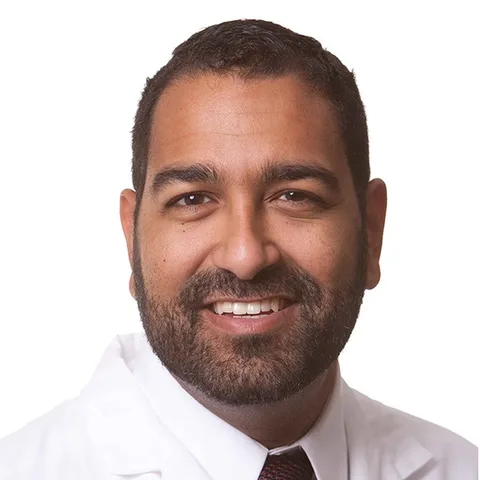
Peter Salib is an OB/GYN at Novant Health Southeast OB/GYN in Matthews, and he is one of the clinicians on Novant Health Virtual Menopause Wellness. That service runs by video and covers perimenopause through postmenopause, with hormone therapy among the treatments it offers. It also handles sleep problems, sexual health and bone loss, and it can connect you to Novant cardiology if heart health is a worry. If you need labs, imaging or an in person exam, your care team arranges it at a Novant location. The rest of his practice is general gynecology, including minimally invasive and robotic surgery and obstetric ultrasound. He says the patient relationships are what drew him to the field, and he sees patients in English, Arabic or Spanish.
Robert Kauffman is an obstetrician gynaecologist at the Texas Tech Physicians OB-GYN clinic in Amarillo and a full professor in the university's obstetrics and gynaecology department. His university profile lists menopause among his clinical interests and records his menopause practitioner certification. His own bio there adds paediatric gynaecology, polycystic ovary syndrome, infertility and chronic pelvic pain. He has lectured at the American College of Obstetricians and Gynecologists on bioidentical hormones and pellets, as an evidence based and medico-legal review. His faculty page mentions that he is a classical pianist who loves opera before it mentions anything clinical. The clinic page publishes no service list and no prices for any of its doctors, and his own listing there says he is not taking new patients.
Shook is a registered dietitian nutritionist at Gennev, a menopause clinic that works entirely by video. This is nutrition and exercise work rather than prescribing, and the clinic's doctors are the ones who handle medication. Gennev's dietitians cover food, movement, sleep and supplements, and they share notes with the gynaecologist seeing the same patient. His stated focus is weight management and body composition, with cardiometabolic health and resistance training to preserve muscle, and he has published research on resistance training and women's health. For general menopause care a doctor refers you to the dietitian, but the weight management track lets you self-refer and start with the dietitian intake. A typical course of care runs every two to three weeks for at least three months, with unlimited messaging between visits.
Stephanie Roberts is a family nurse practitioner at UNC Women's Health at Holly Springs, a women's primary care and gynecology office that used to be Magnolia Women's Health. She sees women through perimenopause and menopause and prescribes evidence-based hormone therapy. The same office also handles everyday primary care like blood pressure, thyroid and cholesterol, so menopause care can sit alongside your regular checkups. She describes her approach as meeting patients where they are and making healthy changes one step at a time. Her patient reviews often mention that she listens and takes her time.
Dr. Antonelli is a gynecologist who has practiced in Wilmington since 1995 and opened this small office practice in 2014. She does office gynecology only and refers out when surgery is needed. Menopause care is one of the practice's main interests. She prescribes both standard and compounded hormone therapy as well as newer non-hormonal medication. Sexual health is her other big focus, and she writes openly about low libido in women. A nurse practitioner also sees patients, and new patients start by filling in an intake packet before the first office visit.
A four-provider obstetrics and gynecology practice serving the Lake Norman area, covering obstetrics, gynecologic surgery and women's primary care alongside a menopause service line, with a hospital affiliation nearby. Dr. Guida's own focus is minimally invasive robotic surgery for hysterectomy, fibroids and endometriosis. The practice's menopause material describes FDA-approved systemic and vaginal hormone therapy plus non-hormonal options, and cautions against custom-compounded hormones. A sister practice at the same address handles aesthetics and physician-supervised weight management.
Kate Dwyer is a registered dietitian with a doctorate in clinical nutrition who runs an online nutrition counseling practice. She works with women on perimenopause and menopause, fertility and pregnancy, and PCOS. She does not prescribe hormone therapy.
Dr. Rowe is the founder and lead physician at Magnolia Place, a Greenville practice she built around a membership model that still bills insurance. Memberships are banded by age and cover a well woman exam, three office visits and one set of annual labs each year. Her menopause care starts with a hormone therapy evaluation and runs alongside non-hormonal options and preventive work on brain, heart and bone health. She is blunt about marketing language and tells patients that bioidentical is a marketing term. The main medical membership is currently offered through a waitlist, so new patients join a list rather than booking straight away. The office also runs a skin and pelvic wellness line, but those treatments are booked with two other providers rather than with her.
Dr. Gevas is an OB-GYN who is also board certified in obesity medicine, and she sees Gennev patients by video. Her bio says her focus is menopause and weight management, using lifestyle help alongside medical treatment. Gennev's weight programme starts with a dietitian visit and then a doctor visit, and its doctors can prescribe GLP-1 medicines where they fit. She holds a nursing master's degree as well as her medical training. Her page lists licences in North Carolina and Ohio. Away from work she does woodworking and gardening, and she cans her own food.
Gennev is an all-virtual menopause clinic owned by Unified Women's Healthcare, and care starts with a 30 minute video visit with a menopause-trained doctor. Dunsmoor-Su is Gennev's chief medical officer and she also carries her own patient list. The areas she names herself include premature ovarian insufficiency, breast cancer risk and survivorship, endometriosis, and weight management with medication. Her background is clinical epidemiology, and she still runs women's health drug trials as a medical director at a Seattle research centre and teaches OB-GYN residents. She says she treats each visit as a chance to explain the current evidence so the decision about treatment is a shared one. Doctors here prescribe FDA-approved hormone therapy when a patient is a candidate and non-hormonal medicines when she is not, and the clinic tells patients to steer clear of compounded weight drugs made outside FDA oversight.
Beyer is a Midi clinical leader and sits on the company advisory board, and she still sees patients by video. She trained in obstetrics and gynaecology, then dropped obstetrics to work on gynaecology and hormonal health only. Weight is her second focus and she holds a diplomate from the American Board of Obesity Medicine. She talks openly about gaining weight before her 50th birthday and losing 35 pounds over five months, and she uses that with patients who are struggling. Care runs through Midi only, so visits are by video and anything needing an exam or imaging goes to an outside clinician. Her page has no booking link of her own, so the Midi sign-up does not let a new patient choose her by name.
Raleigh Gynecology and Wellness is a gynecology-only practice that has cared for women in Raleigh since the 1980s. It does no obstetrics, and the practice says that lets it give full attention to the problems that get crowded out in busy OB/GYN offices. Dr. Kaminski joined in 2008 after her residency at UNC, and she likes seeing the same patients year after year, often their family and friends as well. For menopause the practice starts with changes to diet and exercise and other ways to improve quality of life, then adds hormone replacement or non-hormonal prescriptions when symptoms call for it. Every clinician on the team is a woman, and the office offers nitrous oxide to patients who find pelvic exams and procedures hard to sit through. Online scheduling is open to existing patients only, so a new patient has to call the office first.
Courtview Gynecology is a three clinician practice in Gastonia where Dr. Hartwell works alongside two women's health nurse practitioners, and every provider and staff member is female. The practice stopped delivering babies in 2012 and dropped primary care in 2021, so it is gynecology only now, caring for patients from adolescence through menopause and beyond. Its own services list names menopause management as symptom treatment and hormone therapy, and Dr. Hartwell's stated areas of expertise are preventive medicine, family planning, contraceptive options, menopause management and minor in-office procedures. Most testing happens in the building, with mammography, ultrasound, bone density scanning and lab draws often done on the same day as the visit. A team of certified medical assistants gives advice by phone and portal, and two coordinators handle referrals out. Appointments are arranged by phone or through an online request form that the practice answers rather than a live calendar.
Durham Women's Clinic is a long established obstetrics and gynecology practice with offices in Durham and at Brier Creek in Raleigh. Its gynecology care runs from adolescence through menopause, and the practice lists menopause care with hormone replacement therapy among its services. Physicians, midwives and a physician assistant all see gynecology patients, and the practice delivers babies and operates at Duke Regional Hospital. It was founded in 1941 by Dr. Eleanor Easley, the first woman to earn a four year medical degree from Duke, and it was the first practice in North Carolina to bring midwives in house. Carlson appears among the providers on the team page but has no photo or bio of her own, so the site says nothing about her own interests or how she approaches hormones.
Cary OB/GYN is a ten-clinician practice with offices in Cary and Morrisville that has served the Triangle since 1984. Dr. Wyckoff is one of two physicians the practice names as Menopause Society Certified Practitioners, and the practice invites patients to book menopause appointments with either of them. Every physician in the group prescribes hormone replacement therapy, and the practice describes oral, injectable, topical and vaginal estrogen options chosen after an evaluation and hormone lab work. The same wellness service line covers medically supervised weight loss with prescription medication and treatment for urinary incontinence. Dr. Wyckoff has spent more than twenty years in full scope obstetrics and gynecology and wrote a patient companion guide for people navigating their own care. Blood draws and pelvic ultrasound are done in the office the same day as a visit.
Connette McMahon is one of two physicians at Jones Center for Women's Health, a four-clinician obstetrics and gynecology practice in Fayetteville. The practice is owned by Dr. Michael Jones, who covers obstetrics and high-risk pregnancy, while McMahon handles gynecology for patients from teens to seniors. The practice's new patient registration form offers menopause and hormone therapy as a reason for a visit, and the homepage names hormonal imbalance treatment among its areas of expertise. McMahon carries an ABOG focused practice designation in minimally invasive gynecologic surgery, and the published procedure list runs from hysteroscopy and endometrial ablation to laparoscopy, myomectomy and hysterectomy. Care is described as starting with lifestyle changes and medical therapy before office procedures or surgery. The bio also notes several clinical drug trials run as principal investigator, some of which reached market.
Aimee Feste is a nurse midwife at MAHEC Ob/Gyn Specialists, an academic teaching practice in Asheville where Ob/Gyn residents train alongside the faculty. Her provider bio says she cares for women from their first period until after menopause, plus the health events in between. She also works in the practice's Center for Pelvic and Vulvar Health, which she joined in 2020 when a longtime colleague retired, and there she sees patients with vulvar skin conditions and genital pain. Vulvar clinic patients get a call from clinical staff in the month before a first visit to go over health history and what they want from the appointment. New gynecology patients fill out an intake packet for their office, and visits are booked by phone because MAHEC's online self-scheduling only covers its family medicine patients. MAHEC discounts care by family size and income for patients who cannot pay in full.
Green Valley OBGYN is a Greensboro practice of eight board certified obstetrician gynecologists and has been open for more than seventy years. Dr. Clark's bio puts menopausal management alongside adolescent health and contraceptive care, and says she is available to help patients navigate perimenopause and beyond. She also keeps a full obstetric practice, including high and low risk pregnancies and women who want a vaginal birth after cesarean. The office runs its own surgical suite with anesthesiology, and screening mammograms, ultrasound and lab work are all done in house. The practice page on menopause lists the symptoms it treats and promises individualized management, but it names no medication, so what she prescribes is not published. New patients send an online request rather than booking a named physician.
Dr. Little is one of three OB/GYNs at Atrium Health's One Health OB/GYN office in Cornelius. She also sees patients at the group's Mooresville office, and both take new patients through online booking. The office handles general gynecology and obstetrics, and its own service list names menopausal care and hormone testing. Her stated focus is adolescent gynecology, infertility and obstetrics, and her bio says she loves helping women from pregnancy through menopause. Her father was an OB/GYN, and she says she never expected to follow him until she found the work in medical school. This is ordinary health-system gynecology rather than a dedicated menopause program, so care runs through Atrium's own scheduling and billing.