192 practitioners have an office in North Carolina, and 60 more can see patients here by telehealth. 172 of them are certified by the Menopause Society, and the most are in Charlotte, Raleigh and Durham.
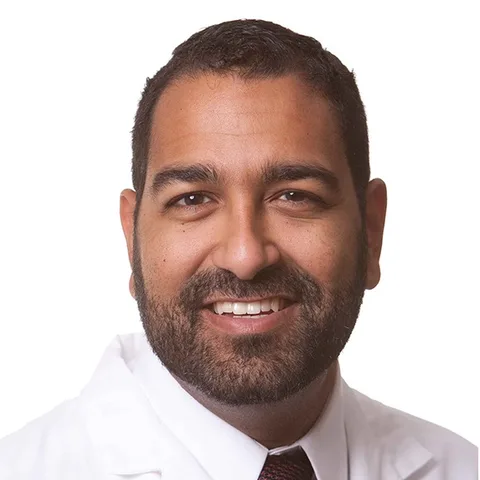
Helia Health is a small menopause practice in Cornelius that Dr. Haddad founded, and she also sees patients across North Carolina by video. New patients start with a nurse visit and then a 60-minute consultation, and after that they can message the team between visits. She prescribes FDA-approved hormone therapy and non-hormonal options, but she does not use hormone pellets or injectable hormones. The practice takes on complex cases, including women with a history of breast or gynecologic cancer, BRCA carriers, early or surgical menopause, and conditions like POTS. It does not do annual gyn exams, so you keep your own gynecologist for breast and pelvic exams.
Dr. Anna runs a small cash-pay practice for women in midlife up to age 64, and she still works nights as a hospital physician. Care starts with a long first visit in person in Asheville or by video, after she has reviewed detailed intake forms and a broad blood panel covering hormones, thyroid, heart and metabolic health. After that you can pay for follow-ups one at a time or join a yearly package that adds messaging and a full year of hormone prescription management. She prescribes FDA-approved hormone therapy that you pick up at your usual pharmacy, and she writes openly about being on hormone therapy herself. New patients currently join a waitlist and are brought on each month as space opens. The practice cannot take anyone who is eligible for Medicare.
Dr. Bernardy is a family physician who runs a direct primary care practice in south Charlotte with one other doctor. Membership covers unlimited office visits of 30 to 60 minutes, direct messaging, and phone or video visits, with same-day or next-day appointments. Menopause care sits inside her general women's health work alongside Pap smears, pelvic exams and birth control. She spent years as national medical director for an employer-based primary care company and taught residents at the University of Colorado. The office has its own pharmacy with medicines at wholesale prices and a physician-supervised weight program. You can book a free video meet and greet with her before joining.
Dr. Ashaye founded InTouch Primary Care in Sugar Land and is the only physician there. She is board certified in family medicine and in lifestyle medicine, and her site says she has specialized menopause training. Her menopause page works through non-hormonal options before it reaches hormone therapy, and it names the actual drugs and delivery routes she uses. Women can keep their own primary care doctor and buy menopause care on its own, or put both under one plan. Care runs on an annual membership that covers follow-up visits, prescription management and direct messaging with her. She also records a weekly health video on her own YouTube channel and holds free community talks on metabolism and menopause.
Taylored Wellness is Dr. Taylor's own practice and she is the only physician in it. Care starts with a long physician evaluation that pulls prior records, labs, family history and genetics into one picture, then sets an order for what to address first. She treats hormone change as one system among several, so the same plan may also take in metabolism, sleep, cardiovascular risk and cognition. Treatment can include prescription medication, hormone therapy, supplements, exercise prescription and intravenous or injectable therapies. She trained and boarded in emergency medicine before moving into integrative and functional medicine, and says the crises she treated there were never sudden. Two six-month precision health programs are described on the site but are still in development, so for now the way in is one private consultation.
Diana Kumar is a board certified OB-GYN who co-founded Gliss Wellness, a virtual practice built around perimenopause and menopause. All care happens by video and secure messaging, so there is no office to visit. A menopause visit runs about 30 minutes and ends with a plan and prescriptions for an initial three month period, followed by a check-in visit before refills continue for the rest of the year. She prescribes hormone therapy when it fits, can order labs and scans, and sends prescriptions to the patient's own pharmacy. She also sees women for weight counseling and for urgent gynecology problems handled through a short written form. Her stated areas of interest are PCOS, sexual dysfunction, bone health and longevity medicine.
Chapel Hill Wellness Collective is a small integrative clinic, and Dr. Otter is its medical director and the clinician behind the hormone care. Her Perimenopause and Menopause Jumpstart Program opens with a consult about symptoms and goals, then builds a plan that can combine menopausal hormone therapy with lab work, meal and exercise guidance, and IV nutrient or NAD+ infusions. She writes hormone plans from current research and a patient's own lab results. Dr. Otter came out of emergency medicine and is also board certified in obesity medicine, so weight and metabolic health sit at the center of how she treats midlife symptoms, and GLP-1 medication is part of the program for women who need it. For what the clinic does not do itself it reaches outward, working with the Medical Day Spa of Chapel Hill on hormonal skin changes and with local pelvic floor therapists, and it offers the O-Shot for sexual health. Care is in person at the single Chapel Hill office, which is open four days a week.
Dr. Cook is an internist at Elite Medicine, a small concierge primary care practice serving the Raleigh-Durham-Chapel Hill area. She has a special interest in women's health and completed extra training in perimenopause and menopause management. She is also a verified practitioner of the International Society for the Study of Women's Sexual Health. Every new patient starts with a two-hour first visit, and members can reach their doctor directly by email or text. Visits happen by video or in person, often at your home or office. The practice keeps its patient numbers low and starts a waiting list once spots fill, and prospective patients can book a free video call first.
Arboretum Gynecology is a three-provider practice in south Charlotte that set aside obstetrics some years ago to do gynecology only. Dr. Freeman-Kwaku is the lead physician and has worked in the area for more than 25 years. She and the practice's nurse practitioner are the two providers who see patients for menopause care and hormone support, and the practice says any decision about hormones is made with the patient rather than from a set protocol. She does much of her own diagnostic and procedural work in the office, including hysteroscopy and the Cerene procedure for heavy periods, so most things can be handled without a hospital visit. Scheduling is mostly by phone, although two online booking tools are linked from the site.
Concierge Medicine of Chapel Hill is Dr. Repine's solo membership primary care practice, which opened in April 2026 for adults, families and midlife patients, with the panel size deliberately kept small. A family physician and Menopause Society Certified Practitioner, she pairs primary care with women's health, covering birth control, perimenopause and postmenopause care, hormone replacement therapy, lifestyle medicine and mental health. She is trained in osteopathic manipulative treatment, which she uses for pain and tension when appropriate. Members get unlimited extended visits plus 24/7 direct messaging, phone and email access to her. Virtual visits are offered only as a supplement to in-person care and need prior approval. Point-of-care testing and minor procedures, including IUD and Nexplanon insertion and removal, joint and trigger point injections and skin biopsies, are done in the office rather than referred out.
The Eastover Clinic is Dr. Emily McLean's solo, direct-pay dermatology practice in Charlotte, built around long visits booked by length rather than insurance codes. Medical and cosmetic dermatology are the core, with a lifestyle-medicine line for midlife women covering hormonal acne, hair thinning and the skin changes of perimenopause and menopause. Hormone therapy and FDA-approved weight medication are prescribed when medically appropriate, and those conversations are steered to the hour-long signature consultation. She coordinates with a patient's primary care physician, OB-GYN or endocrinologist. The practice sees men, women and children of all ages, so midlife women are a focus rather than the whole panel, and virtual visits are available to patients physically located in North Carolina.
Maureen Whelihan directs this gynecology and sexual medicine practice in Greenacres and has been in Palm Beach County since 1997. Three nurse practitioners and physician assistants cover well visits and routine gynecology, so her own time goes to hormone therapy, sexual dysfunction, painful sex and transgender hormone management. The practice describes hormone treatment as estradiol and progesterone prescribed in creams, patches or gels, after a history, an exam and sometimes lab testing. She also runs a Center for Sexual Health and Education that sees men and couples as well as women, and she wrote a book about what women really say about sex that is sold signed in her office. The office opens early four days a week and keeps slots for same day appointments. Urinary leaking is treated in the office by the practice nurse with pelvic floor therapy over six to eight weeks.
Dr. Carol runs a small concierge practice for women in perimenopause and menopause, and she is going through midlife herself. She spent about 20 years as an emergency physician before turning to menopause care. Care starts with a free 30-minute video call, then a package of two long visits, each 60 to 90 minutes, with messaging between and after them. Visits can be at her Manhattan office, by video, or at your home or workplace. The visits look at symptom treatment along with bone, heart and breast cancer risk. She does not replace your own doctors, so you still need a primary care doctor and a gynecologist for exams and mammograms.
ThriveWellMD is a telehealth practice run by Dr. Nicole Perrotte, an internal medicine physician with added training in lifestyle and obesity medicine who is also a certified health coach. Care starts with a two-part video assessment, with a 60-minute intake, a full lab panel and then a second 60-minute visit to go over the results and a written plan. Patients then move into monthly phases for hormones, metabolism and weight, or sexual health, with app messaging between visits. The hormone phase includes bioidentical hormone therapy made by outside compounding pharmacies. She built the practice after her own burnout, fatigue and weight gain, and it does not replace a primary care doctor.
Dr. Wang is an internist who spent about 20 years in primary care and is also board certified in obesity medicine. She now sees women in perimenopause and menopause by video only, as an affiliate clinician of Dr. Heather Hirsch's Collaborative membership. Care runs through that membership, which has a one-year minimum and covers visits and messages with no charge per visit, plus group Q&As and coaching sessions. Her approach puts a lot of weight on nutrition, metabolic health and mindset alongside medical treatment. She asks patients to keep their own primary care doctor and gynecologist for hands-on care, since she does not see anyone in person.
Jackie Stone, MD sees women entirely by telehealth, in a practice she runs alone. She is board certified in obstetrics and gynecology and in obesity medicine, and treats perimenopause, menopause and primary ovarian insufficiency alongside PCOS, genitourinary symptoms, sexual wellness, and skin and hair changes. First visits run a full hour and cover past records, labs and a treatment plan. Ongoing care is by monthly membership or visit by visit, with direct messaging for members.
Peter Salib is an OB/GYN at Novant Health Southeast OB/GYN in Matthews, and he is one of the clinicians on Novant Health Virtual Menopause Wellness. That service runs by video and covers perimenopause through postmenopause, with hormone therapy among the treatments it offers. It also handles sleep problems, sexual health and bone loss, and it can connect you to Novant cardiology if heart health is a worry. If you need labs, imaging or an in person exam, your care team arranges it at a Novant location. The rest of his practice is general gynecology, including minimally invasive and robotic surgery and obstetric ultrasound. He says the patient relationships are what drew him to the field, and he sees patients in English, Arabic or Spanish.
Robert Kauffman is an obstetrician gynaecologist at the Texas Tech Physicians OB-GYN clinic in Amarillo and a full professor in the university's obstetrics and gynaecology department. His university profile lists menopause among his clinical interests and records his menopause practitioner certification. His own bio there adds paediatric gynaecology, polycystic ovary syndrome, infertility and chronic pelvic pain. He has lectured at the American College of Obstetricians and Gynecologists on bioidentical hormones and pellets, as an evidence based and medico-legal review. His faculty page mentions that he is a classical pianist who loves opera before it mentions anything clinical. The clinic page publishes no service list and no prices for any of its doctors, and his own listing there says he is not taking new patients.
Dr. Graham is an OBGYN who runs a small, deliberately limited virtual practice for women in perimenopause and menopause. Care starts with a free phone call to see if it's a good fit. After that you choose a single in-depth evaluation or a six- or twelve-month program with regular visits, coaching and messaging between appointments. When hormones are right for you she prescribes FDA-approved bioidentical options such as pills, patches and vaginal estrogen, and she also uses non-hormonal treatments. Plans lean heavily on strength training, nutrition and detailed lab testing alongside medication. She does not do Pap smears or breast exams, so you keep your own primary care doctor for those.
Dr. Antonelli is a gynecologist who has practiced in Wilmington since 1995 and opened this small office practice in 2014. She does office gynecology only and refers out when surgery is needed. Menopause care is one of the practice's main interests. She prescribes both standard and compounded hormone therapy as well as newer non-hormonal medication. Sexual health is her other big focus, and she writes openly about low libido in women. A nurse practitioner also sees patients, and new patients start by filling in an intake packet before the first office visit.
A four-provider obstetrics and gynecology practice serving the Lake Norman area, covering obstetrics, gynecologic surgery and women's primary care alongside a menopause service line, with a hospital affiliation nearby. Dr. Guida's own focus is minimally invasive robotic surgery for hysterectomy, fibroids and endometriosis. The practice's menopause material describes FDA-approved systemic and vaginal hormone therapy plus non-hormonal options, and cautions against custom-compounded hormones. A sister practice at the same address handles aesthetics and physician-supervised weight management.
Sabia Health is Dr. DeVries's solo direct primary care practice in Durham, built for women roughly 40 to 64 who are going through perimenopause and menopause. She provides all the care herself, in the office, by video, or by phone and text, and she sees patients in English and Spanish. Membership covers a yearly exam and care plan, unlimited visits, direct messaging with her, and cheaper labs, imaging and Pap smears. You do not have to join to be seen. There is a standalone perimenopause and menopause consult that covers symptoms, a hormone plan, and bone, heart and metabolic risk, and it comes with three months of medication and dose adjustments by text or phone. She spent two decades in community health centers, Medicaid managed care and health system leadership before opening this practice, and she also provides gender-affirming hormone therapy.
Dr. Rowe is the founder and lead physician at Magnolia Place, a Greenville practice she built around a membership model that still bills insurance. Memberships are banded by age and cover a well woman exam, three office visits and one set of annual labs each year. Her menopause care starts with a hormone therapy evaluation and runs alongside non-hormonal options and preventive work on brain, heart and bone health. She is blunt about marketing language and tells patients that bioidentical is a marketing term. The main medical membership is currently offered through a waitlist, so new patients join a list rather than booking straight away. The office also runs a skin and pelvic wellness line, but those treatments are booked with two other providers rather than with her.
Dr. Anyaoku founded Hibiscus Aesthetics and Wellness in Katy and is the only clinician there. Hormone care starts with a wide lab panel rather than a symptom questionnaire, and she orders markers like free T3, DHEA-S and fasting insulin that a standard physical skips. She prescribes bioidentical hormones as patches, creams, injections or pills, and no page on the site mentions pellets. She is also a diplomate of the American Board of Obesity Medicine, so weight and hormone questions get handled in the same visit. Aesthetic treatments happen in person at the Katy clinic, while hormone, weight and longevity care can be done by video in 23 states. You pay per visit and there is no membership or package.