Menopause Society Certified Practitioners in Texas
335 practitioners have an office in Texas, and 109 more can see patients here by telehealth. 283 of them are certified by the Menopause Society, and the most are in Houston, Austin and Dallas.
Dr. Walker is one of fourteen clinicians at Omega Ob-Gyn Associates, a women's health group that has served Arlington, Grand Prairie and Mansfield for more than forty years, and sees patients at its Grand Prairie and Arlington offices. Walker is the only clinician in the group whose biography names hormone care, and became a Menopause Society Certified Practitioner in 2025 after watching a spouse go through a hard perimenopause following a hysterectomy at 31. A nurse practitioner and two medical assistants make up a small team inside the larger group, and the site says a patient gets the same care from either clinician. Routine and high risk obstetrics and minimally invasive gynecologic surgery are part of the same job, so hormone care is one piece of a general practice rather than the whole of it. Texas patients can sometimes be seen by video when the schedule allows.
Dr. Wilson runs HerCare, a clinic for women only inside Amarillo Medical Specialists. She sees women 18 and up for primary care and pays particular attention to menopause management, bone health and family planning. She spent seven years directing a women's health and sex and gender differences center at Texas Tech and still teaches medical students about menopause. Visits lean on explaining the evidence behind each treatment option, and patients often leave with low-cost health habits as homework. New patients fill out an online pre-registration form, and staff then call to book a visit at the Westgate Parkway office. Neither her clinic site nor her group profile names a specific treatment she prescribes or performs.
Her office is an Ascension Seton women's health clinic on West 34th Street in Austin that was an independent group called Women Partners in Health before it joined Ascension. The group dates to 1985 and now has more than a dozen clinicians including midwives and nurse practitioners, so obstetrics and delivery are a large part of what it does. The clinic's own services page says a Menopause Society certified practitioner is on the care team, and she is one of two at that office. Her bio puts nutrition next to menopause care in what she focuses on, and she holds a master's degree in nutrition along with a certificate in plant based nutrition. The office does not offer video visits, so appointments happen in person.
A solo direct primary care family practice in San Antonio seeing women, men and children for wellness visits, chronic conditions and same-day problems, whose physician is a Menopause Society Certified Practitioner. Members pay monthly instead of using insurance and get direct access by phone, text or video alongside same or next-day appointments in person or by telehealth. Labs are drawn in house at negotiated cash prices, with discounted imaging and body composition scanning through local partners. The practice's stated position is that symptoms rather than hormone levels should guide diagnosis, so routine hormone testing is not usually needed.
Dr. Campbell has been a partner at Northlake Ob/Gyn since 2000 and sees patients at its Plano office. After more than twenty years of delivering babies she gave up obstetrics and now practices gynecology only, with a growing focus on perimenopause and menopause. She has known many of her patients since their childbearing years and says she has grown up alongside them. She still does her own surgery, including robotic and other minimally invasive procedures such as hysterectomy and fibroid removal. This is a conventional insurance-based gynecology office, and the practice describes hormone therapy with pills, patches or creams along with low-dose vaginal estrogen. New patients can request an appointment through an online form or by calling the Plano office.
Dr. Christi founded this Houston practice in 2014 and runs it as two arms in one building, a urogynecology and surgery office and a separate longevity, hormone and aesthetics clinic a few suites down. She is a board certified urologist who spent her career in female urology and urogynecology, so prolapse, urinary incontinence, overactive bladder and recurrent urinary tract infections are her core work, and she has her own treatment pathway for interstitial cystitis. Hormone care for perimenopause and menopause runs through a year long concierge program with two tiers, built on an 80 marker blood panel and quarterly dose adjustments. The hormone pages describe bioidentical estradiol, progesterone and testosterone delivered as pellet implants, transdermal creams or sublingual troches, and say she inserts the pellets herself. The menopause page markets the practice as not a pellet mill, while the hormone pages put pellet implants first, which is worth knowing before a visit. She wrote a book on aging called The BioVitality Blueprint, and the practice says she and her husband use the same hormone therapy it prescribes.
Tiffany Gebel runs her own gynecology and obstetrics office in Sulphur Springs, in northeast Texas, and it trades under the name Gyno Gebel. She is the only provider the practice names, and its online scheduler books time with her directly. Her website is a single page giving the address, the hours and the booking link, and it never names any treatment she provides. The booking system offers an annual physical, a problem visit, a healthy weight visit and a first prenatal appointment, with no menopause or hormone option among them. The page asks women to come and see the office in person rather than describing care by video.
Dr. Sims is a Houston OB-GYN who runs a perimenopause and menopause clinic inside her own practice. Most visits happen by video, and established patients can also be seen at her central Houston office. New patients start with a virtual visit that opens with a short group orientation and then moves to private time with her. She mixes standard hormone therapy with functional medicine, herbs and Ayurveda, and she also treats low testosterone in women and runs a medical weight loss program. She writes openly about her own autoimmune illness and losing 70 pounds, which is what pushed her toward this style of care. Her main practice bills insurance, and women outside her network can join a separate self-pay program built around labs and education modules.
Dr. Bartos is an OB/GYN who runs a small practice in Frisco built almost entirely around women in midlife. From November 16, 2026 it becomes a membership practice. One annual fee covers an intake and wellness exam plus up to 11 more visits a year, in the office or by video, with messaging and same or next day visits for urgent problems. She prescribes estrogen, progesterone and testosterone, and also offers pellets and GLP-1 weight care. She also handles a good share of primary care like thyroid, blood pressure and cholesterol, and you always see her rather than a rotating provider. Places are limited, so there will be a waitlist once they fill.
Dr. Groves is a gynecologist at a large, physician-owned internal medicine clinic in Houston. After several years of delivering babies in private practice, she now sees only gynecology patients, adults aged 17 and over. She lists perimenopause and menopause care and hormone replacement therapy among her areas of expertise, along with alternatives to hormone therapy. She also does in-office procedures such as IUD placement, Nexplanon, colposcopy and endometrial biopsy. Her stated approach is evidence based and whole person, with longer visits set aside for complex or multifactorial concerns. New patients book by calling her office, and the clinic's online appointment requests are for established patients only.
A solo, fully virtual membership practice for midlife women across Texas, run by a physician board certified in family, obesity and lifestyle medicine who is also a Menopause Society Certified Practitioner. The membership covers an hour-long first consultation, seven follow-ups a year, secure messaging between visits, prescription management and lab interpretation, while medication, labs and imaging are billed separately. Hormone therapy is offered but not part of every plan, with non-hormonal options discussed instead. The practice declines to use hormone pellets, citing unpredictable dosing. Care is given in English and Spanish, and the physician describes herself as working alongside a patient's existing doctors rather than replacing them.
Dr. Limosnero runs a small integrative gynecology practice in Carrollton that she opened in 2015 after about 11 years in general OB/GYN practice. She treats perimenopause and menopause with prescription hormone therapy, including bioidentical hormones that can add testosterone or DHEA, alongside herbs, nutrition and mind-body work. New patient visits are long, up to 90 minutes, and go through your history, lifestyle and symptoms before a plan is made. She trained in integrative medicine through the University of Arizona program and has also studied acupuncture and trained as a yoga teacher. For vaginal dryness and bladder leakage after menopause she offers MonaLisa Touch laser treatment as a hormone-free option. For now the office shares space with her husband's dental practice, so patients come in through Suite 100.
Emily Hicks is a family nurse practitioner at a small concierge primary care practice in Rollingwood, just outside Austin. She has been a nurse for over 17 years and says perimenopause and menopause are her main focus. The practice keeps its patient list to a few hundred people, so visits run long and members can reach the team directly after hours. Hormone options on offer include estrogen patches, vaginal estrogen, micronized progesterone and topical testosterone, and the practice also does bone health checks and breast cancer risk screening. New patients start with a free consultation, which can be in person or by video. Members keep their regular insurance or Medicare, which still covers visits and tests.
Melinda is a nutrition counsellor and cannot prescribe, so this is food and lifestyle support for the menopause transition and not hormone treatment. She mainly works with autistic, ADHD and AuDHD adults, and her approach is weight-inclusive and non-diet. Care begins with an introductory call and an assessment that covers health history, a menopause symptom questionnaire and a look at the supplements you already take. She takes no supplement affiliate or referral money. Sessions are weekly or every other week in downtown Bend or on Zoom, with messaging in between, and she expects to work together for at least five months. She came to this work through her own perimenopause and a late AuDHD diagnosis, and she also works with eating disorders at the outpatient level.
Dr. Carol runs a small concierge practice for women in perimenopause and menopause, and she is going through midlife herself. She spent about 20 years as an emergency physician before turning to menopause care. Care starts with a free 30-minute video call, then a package of two long visits, each 60 to 90 minutes, with messaging between and after them. Visits can be at her Manhattan office, by video, or at your home or workplace. The visits look at symptom treatment along with bone, heart and breast cancer risk. She does not replace your own doctors, so you still need a primary care doctor and a gynecologist for exams and mammograms.
ThriveWellMD is a telehealth practice run by Dr. Nicole Perrotte, an internal medicine physician with added training in lifestyle and obesity medicine who is also a certified health coach. Care starts with a two-part video assessment, with a 60-minute intake, a full lab panel and then a second 60-minute visit to go over the results and a written plan. Patients then move into monthly phases for hormones, metabolism and weight, or sexual health, with app messaging between visits. The hormone phase includes bioidentical hormone therapy made by outside compounding pharmacies. She built the practice after her own burnout, fatigue and weight gain, and it does not replace a primary care doctor.
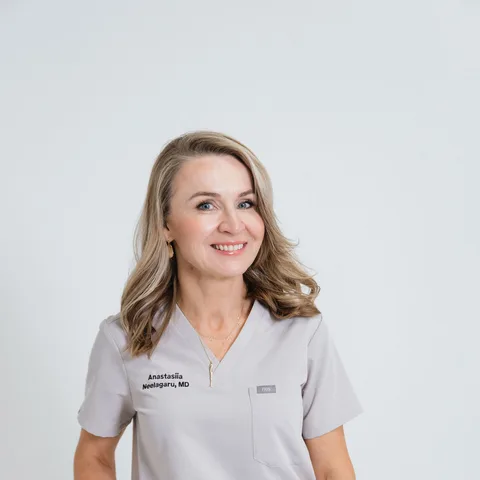
Dr. Neelagaru runs a virtual-only specialty clinic for menopause and sexual medicine. She no longer provides primary care, so patients keep their own doctor for routine care, physicals and pelvic exams. New patients start with a free video strategy call, and care runs through 60-minute video visits or her four-month Flourish Method program with labs and monthly follow-ups. She prescribes FDA-approved bioidentical estrogen, progesterone and testosterone, plus vaginal estrogen and non-hormonal options, and she does not place pellets but helps women move off them. Sexual health is at the center of her practice, and she also sees male partners for erectile dysfunction and low testosterone. She is perimenopausal herself and says her own hormonal changes shaped how she practices.
Jenn Kosova is a physician assistant with a long emergency medicine background who now runs a concierge functional medicine practice. She treats both women and men for hormone changes, including perimenopause and menopause, using bioidentical hormones. New patients start with a discovery call and then a consultation built around a large lab panel, and ongoing care runs through a membership with direct messaging. Visits can be by telehealth, in the Los Angeles or Dallas office, or at home.
Jackie Stone, MD sees women entirely by telehealth, in a practice she runs alone. She is board certified in obstetrics and gynecology and in obesity medicine, and treats perimenopause, menopause and primary ovarian insufficiency alongside PCOS, genitourinary symptoms, sexual wellness, and skin and hair changes. First visits run a full hour and cover past records, labs and a treatment plan. Ongoing care is by monthly membership or visit by visit, with direct messaging for members.
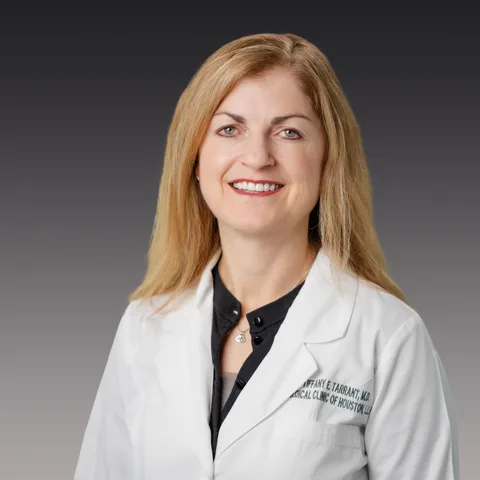
Dr. Tarrant is one of two gynecologists at Medical Clinic of Houston, a physician owned multi specialty clinic near Rice University, and she works out of its sixth floor. She is a board certified OB-GYN whose practice here is limited to clinic based gynecology, so she does no obstetrics. She sees adult women from menarche through menopause and beyond, and her bio names hormone replacement therapy and alternatives to hormone therapy among the things she treats. She came to medicine from biomedical engineering at Vanderbilt and has more than twenty years of clinical practice behind her. She has recorded short video answers to about twenty patient questions on her profile, covering how her office runs and what she considers as an alternative to medication. New patients start by calling her secretary, since the clinic's online appointment request only works for established patients in the portal.
Robert Kauffman is an obstetrician gynaecologist at the Texas Tech Physicians OB-GYN clinic in Amarillo and a full professor in the university's obstetrics and gynaecology department. His university profile lists menopause among his clinical interests and records his menopause practitioner certification. His own bio there adds paediatric gynaecology, polycystic ovary syndrome, infertility and chronic pelvic pain. He has lectured at the American College of Obstetricians and Gynecologists on bioidentical hormones and pellets, as an evidence based and medico-legal review. His faculty page mentions that he is a classical pianist who loves opera before it mentions anything clinical. The clinic page publishes no service list and no prices for any of its doctors, and his own listing there says he is not taking new patients.
Dr Rivera Jimenez runs Texas Menopause from the Pink Women Center office in Katy and treats women through natural menopause, surgical menopause and the years before it. He came to this work from a nutrition degree and a functional medicine and anti-aging fellowship, so visits lean heavily on hormone, metabolic and nutritional testing alongside hormone therapy. He also does the gynaecology in the same office, including pelvic ultrasound, hysteroscopy, biopsies and IUDs, and operates in hospital for procedures like hysterectomy and endometrial ablation. He makes a point of telling women when a hysterectomy or other surgery would not help them. The practice runs a four week menopause discussion group over Zoom or in person that anyone can join without becoming a patient. The page meant to explain how appointments and intake questionnaires work has not been published yet.
Dr. Quezada is an OB-GYN at Carl R. Darnall Army Medical Center at Fort Cavazos, and his gynaecology page describes care for active duty women soldiers and family members of service members. Menopause symptom management and bioidentical hormone therapy are both on his list of services. He spent 16 years in the Navy and left active duty as a Lieutenant Commander, and he says he is one of only two Menopause Society certified practitioners in Central Texas. Much of his practice is surgical, built around what he calls his FP3 focus on fibroids, pelvic pain and prolapse, and he performs radiofrequency ablation of fibroids. The site publishes no prices, says nothing about insurance, and offers no current way to book, and a few pages still carry leftover copy and an old appointment link from his former East Texas practice.
Dr. Chalasani is an Austin OB/GYN who has run a private practice for more than 25 years. The PausetiveMD website is for her in-person menopause seminars, not for her clinic. At a seminar a small group of women spends a morning with her going over hormone science, symptoms and hormonal and non-hormonal treatment options, and each woman leaves with a written list of options. She says she is 58 and has been through most menopause symptoms herself. The site does not say how to become her patient.