Menopause Specialists Who Accept Insurance in Texas
335 practitioners have an office in Texas, and 109 more can see patients here by telehealth. 283 of them are certified by the Menopause Society, and the most are in Houston, Austin and Dallas.
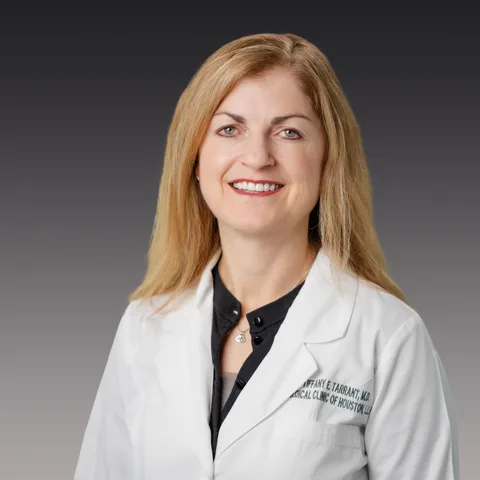
Dr. Tarrant is one of two gynecologists at Medical Clinic of Houston, a physician owned multi specialty clinic near Rice University, and she works out of its sixth floor. She is a board certified OB-GYN whose practice here is limited to clinic based gynecology, so she does no obstetrics. She sees adult women from menarche through menopause and beyond, and her bio names hormone replacement therapy and alternatives to hormone therapy among the things she treats. She came to medicine from biomedical engineering at Vanderbilt and has more than twenty years of clinical practice behind her. She has recorded short video answers to about twenty patient questions on her profile, covering how her office runs and what she considers as an alternative to medication. New patients start by calling her secretary, since the clinic's online appointment request only works for established patients in the portal.
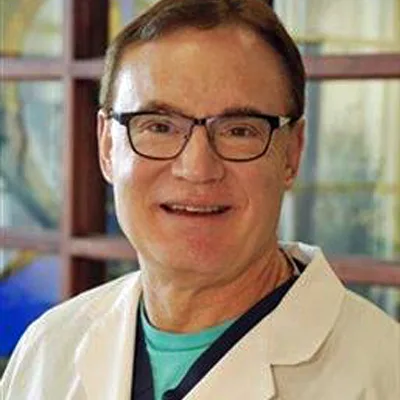
Robert Kauffman is an obstetrician gynaecologist at the Texas Tech Physicians OB-GYN clinic in Amarillo and a full professor in the university's obstetrics and gynaecology department. His university profile lists menopause among his clinical interests and records his menopause practitioner certification. His own bio there adds paediatric gynaecology, polycystic ovary syndrome, infertility and chronic pelvic pain. He has lectured at the American College of Obstetricians and Gynecologists on bioidentical hormones and pellets, as an evidence based and medico-legal review. His faculty page mentions that he is a classical pianist who loves opera before it mentions anything clinical. The clinic page publishes no service list and no prices for any of its doctors, and his own listing there says he is not taking new patients.
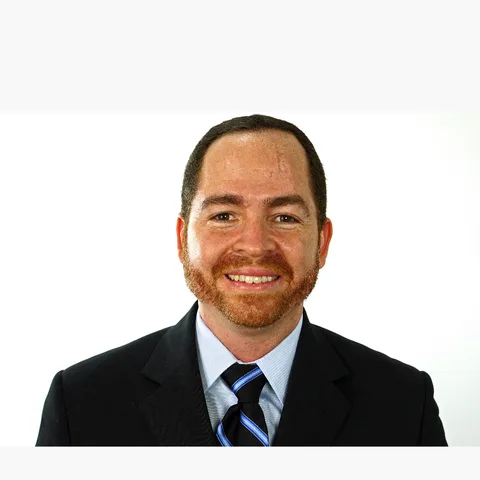
Shook is a registered dietitian nutritionist at Gennev, a menopause clinic that works entirely by video. This is nutrition and exercise work rather than prescribing, and the clinic's doctors are the ones who handle medication. Gennev's dietitians cover food, movement, sleep and supplements, and they share notes with the gynaecologist seeing the same patient. His stated focus is weight management and body composition, with cardiometabolic health and resistance training to preserve muscle, and he has published research on resistance training and women's health. For general menopause care a doctor refers you to the dietitian, but the weight management track lets you self-refer and start with the dietitian intake. A typical course of care runs every two to three weeks for at least three months, with unlimited messaging between visits.
Dr Rivera Jimenez runs Texas Menopause from the Pink Women Center office in Katy and treats women through natural menopause, surgical menopause and the years before it. He came to this work from a nutrition degree and a functional medicine and anti-aging fellowship, so visits lean heavily on hormone, metabolic and nutritional testing alongside hormone therapy. He also does the gynaecology in the same office, including pelvic ultrasound, hysteroscopy, biopsies and IUDs, and operates in hospital for procedures like hysterectomy and endometrial ablation. He makes a point of telling women when a hysterectomy or other surgery would not help them. The practice runs a four week menopause discussion group over Zoom or in person that anyone can join without becoming a patient. The page meant to explain how appointments and intake questionnaires work has not been published yet.
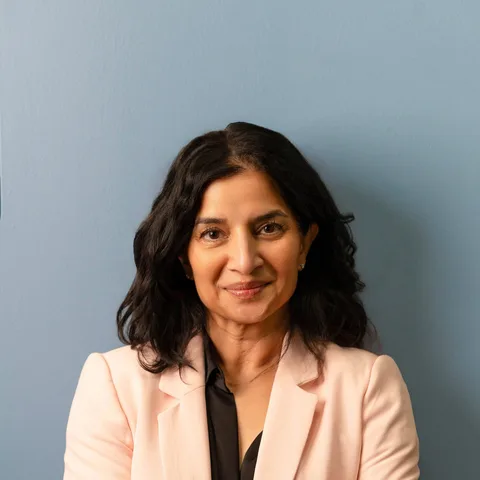
Dr. Chalasani is an Austin OB/GYN who has run a private practice for more than 25 years. The PausetiveMD website is for her in-person menopause seminars, not for her clinic. At a seminar a small group of women spends a morning with her going over hormone science, symptoms and hormonal and non-hormonal treatment options, and each woman leaves with a written list of options. She says she is 58 and has been through most menopause symptoms herself. The site does not say how to become her patient.
Dr. Meinhardt is a board-certified OB-GYN at a long-running Lewisville group practice, and menopause and hormone therapy are named focuses of her own work. She joined the practice in 2024 after finishing active duty in the Air Force, and she grew up in nearby Garland. Her bio says she builds treatment plans around each patient's lifestyle. She also treats urinary incontinence and pelvic pain, which often come up alongside menopause. New patients can book a hormone consult online at either the Lewisville or Flower Mound office. Visits are in person.
A psychiatry practice built around reproductive and women's mental health across the lifespan, from puberty through menopause, alongside general adult psychiatric care for anxiety, depression, ADHD, obsessive-compulsive disorder, bipolar disorder and trauma. Care is given in person in Austin or by video in Texas and California, on an insurance-based model with a small team of a psychiatrist, a physician assistant and two psychiatric nurse practitioners. Menopause work is framed psychiatrically. She judges where a patient is in her hormonal transition and weighing menopausal hormone therapy, antidepressants or both, with nutrition, supplement and sleep guidance alongside. The founder holds a perinatal mental health certification and further training in perimenopausal mental health.
Takes Aetna, Blue Cross Blue Shield +2 · first visit $175
Liv HRT is a small Austin practice founded in 2025 by nurse practitioner Kristen Bernal and her husband Adolfo, who runs the office. She is the sole clinician and spent seven years in primary care at an Austin integrative practice beforehand. Care spans bioidentical hormone therapy, testosterone for women, thyroid treatment for Hashimoto's and hypothyroidism, hormone-focused hair-loss treatment, and compounded GLP-1 weight management, prescribed through either retail or compounding pharmacies depending on the case. Patients start with a free 15-minute phone consult, then a 30-minute new-patient visit, with follow-up at six weeks and roughly every six months once a dose is stable. The office is in central Austin and she is licensed to see patients anywhere in Texas by telemedicine.
Takes Aetna, Blue Cross Blue Shield +4 · first visit $150
Kelly Perisin is a nurse practitioner at MyMenopauseRx, a video-only practice that treats nothing but perimenopause and menopause. It was started by a Chicago-area gynecologist and bills insurance like a regular office. Visits take about 30 minutes on Zoom, and you can book the same clinician every time and message the care team between visits. Kelly came to menopause care from weight management and urgent care, and she draws on that when helping women with midlife weight gain. The practice prescribes FDA-approved estradiol and progesterone sent to your own pharmacy, and it prescribes testosterone directly only for patients in Illinois. It is meant to work alongside your own primary care doctor, who still handles anything that needs a physical exam.
Beyer is a Midi clinical leader and sits on the company advisory board, and she still sees patients by video. She trained in obstetrics and gynaecology, then dropped obstetrics to work on gynaecology and hormonal health only. Weight is her second focus and she holds a diplomate from the American Board of Obesity Medicine. She talks openly about gaining weight before her 50th birthday and losing 35 pounds over five months, and she uses that with patients who are struggling. Care runs through Midi only, so visits are by video and anything needing an exam or imaging goes to an outside clinician. Her page has no booking link of her own, so the Midi sign-up does not let a new patient choose her by name.
Dr. Ukazu founded New Dawn Wellness and Medical Center and is the only doctor there seeing gynecology patients. Her menopause page names hormone replacement therapy, non-hormonal options and lifestyle counseling, with symptom work for hot flashes, mood swings and sleep. She also practices addiction medicine after a fellowship at Rutgers, so substance use treatment runs out of the same clinic. Routine gynecology sits alongside that, and she says she uses minimally invasive methods when surgery is needed. The clinic runs its own clinical trials as well, with a research team and a pre-screening form for anyone who wants to take part. New patients book online and pick their own slot.
Dr. Ughanze is an OB-GYN with UT Physicians who says menopause management is her specialized focus. She still practices both obstetrics and gynecology, so she sees women from their teens through menopause and after. She also teaches as an assistant professor at McGovern Medical School at UTHealth Houston. She sees patients in person at the group's women's centers in Friendswood and southeast Houston. New patients can request an appointment online or by phone through the UT Physicians system, which bills insurance.
Dr. Pekowski is a family medicine physician at the Baylor Scott & White Clinic in Marble Falls, where she sees patients from age five through older adulthood. Her profile names preventive care, chronic disease management, women's health and menopausal care as her professional interests, and she belongs to The Menopause Society. The clinic is a primary care office with no gynecologists on its roster, so a menopause conversation here happens inside a regular family medicine appointment. She offers video visits alongside office visits, and a new patient can book with her online. She also writes for the health system's blog, including a piece on bone density scanning and osteoporosis screening. No page names a specific hormone treatment she prescribes.
Sweetwater OB/GYN Associates is a Sugar Land practice Dr. Blonder co-founded with Dr. Shannon Crowe in 2009, and the two are still its only physicians, working alongside six nurse practitioners. He is a BioTE certified practitioner and has his own hormone page on the practice site, so pellet therapy is his work and not only Dr. Crowe's. Hormone care starts with in-office blood work covering sex hormones, thyroid levels and a metabolic panel, and the pellets are placed in the office. For women who would rather not take hormones the practice offers Estrovera, a non-hormonal product for menopause symptoms. Dr. Blonder came up through surgery and still does minimally invasive gynecologic work, including incontinence and pelvic support procedures. A med spa called Sugar Land Hormones and Wellness runs inside the same office and shares the hormone program.
Deborah Ledesma is one of two nurse practitioners at a small family practice in Whitehouse, a short drive from Tyler. The clinic opened in 2024 and sees patients from age five through adulthood, with same day or next day visits and some Saturday mornings. Every appointment is booked for a full 30 minutes. Her own provider profile lists testosterone and hormone replacement among the care she gives, and her colleague at the same clinic does not list it. She spent 18 years in nursing before qualifying as a family nurse practitioner, and she describes her work as caring for whole families rather than single patients. The practice also runs a weight loss program with weekly weigh ins and prescription injections, plus walk in IV infusions.
Dr. Lutich is the medical director of UT Southwestern's Lowe Foundation Center for Women's Preventative Health Care, a gynaecology clinic on the ninth floor of Professional Office Building 2 in Dallas. She is the only one of the clinic's seven providers whose listed clinical focus is menopause management, and her bio adds that she treats perimenopause and premature menopause. She stopped practising general obstetrics in 2019 and has done gynaecology only since then. Bone health is a real part of her work. She is certified by the International Society of Clinical Densitometry, the clinic runs its own bone density scanning, and she wrote UT Southwestern's patient article on why osteoporosis mostly affects women. A new patient starts by filling in a request form for her by name, and the clinic says it replies within one business day.
Waco Family Medicine is a federally qualified health center that has run clinics in and around Waco since 1969 and now staffs more than 120 direct caregivers across thirteen sites. Dr Weaver sees patients at the Central clinic on Providence Drive and is also Research Director for the organisation's family medicine residency. Women's health runs through the ordinary family medicine visit rather than a separate menopause clinic, and the service names hormonal and non hormonal treatment options, sleep and mood support, bone health screenings and relief of vaginal and urinary symptoms. Bone density scanning sits on the ground floor of the same building as her clinic. She also runs the dermoscopy service in the volunteer staffed specialty clinic upstairs, where local physicians donate time so patients can reach care they could not otherwise afford. Every new patient starts with a phone call that settles the location, the paperwork and whatever financial help the household qualifies for.
Takes Aetna, Blue Cross Blue Shield +7 · from $110/mo
Post Acute Navigator is a locally owned Wichita Falls practice that runs a clinic, sends providers to patients at home and visits nursing and assisted living facilities. Its wellness program covers primary and preventative care, hormone assessment and management, lab ordering and interpretation, and women's health exams. Members get round the clock access to a provider and a full physical. The practice also runs a wound care line under the name Wound Navigator, treating diabetic, pressure and venous ulcers. Telehealth visits are offered as well. The site names no clinicians other than its chief medical officer, so nothing is published about how she personally handles hormone care.
Grace Gynecology is a small Rockwall practice where Dr. McStravick is the medical director and the only physician, working alongside two women's health nurse practitioners. She trained at Drexel, finished her residency at UT Southwestern and Parkland, then spent a few years as an obstetric hospitalist before coming back to private practice. The practice no longer does obstetrics, so the work is gynecology and midlife hormone care. For perimenopause and menopause the providers go through both hormonal and non-hormonal options, and hormones can be pills, patches, gels, creams, vaginal preparations or bioidentical pellets. There is a lab in the office, and nitrous oxide is now offered so that IUD placements and cervical, vulvar and endometrial biopsies are easier to sit through. Well woman exams are kept separate from problem visits, so a new concern gets booked as its own appointment.
Krystal has worked alongside Dr. Mascorro for more than ten years and was a registered nurse for seven years before that. She is one of three nurse practitioners at EmpowHer in Abilene, where the two obstetrician gynecologists and all the nurse practitioners took Heather Hirsch's hormone course. The practice runs two websites, one for conventional gynecology billed to insurance and one for cash pay wellness and hormone consults. Krystal works on the insurance side and sees patients in person or by video anywhere in Texas. For hormones the team prefers FDA approved estradiol, testosterone and progesterone, and will use compounded medication only if a patient would rather have it. They refuse pellets outright, saying absorption is erratic and the risks are higher than patches or pills.
Caring for Women is Ana Morales's own gynecology office in Friendswood, where she has been seeing patients since 1999. She stopped practicing obstetrics to focus only on gynecology, so she is in the office full time rather than delivering babies. Menopause care starts with a blood test to check hormone levels, and she treats symptoms with hormone replacement therapy. She also offers Biote, a brand of hormone pellet therapy, and her services page covers pelvic floor muscle training for bladder leaking and pelvic pain. The clinical staff is all female and speaks English and Spanish, and blood draws are done onsite. Dr. Morales is on call around the clock for urgent problems after hours.
Schakett is one of eight clinicians at Houston Methodist Obstetrics and Gynecology Associates in The Woodlands, a hospital system office that does both obstetrics and general gynecology. Houston Methodist lists menopause and hormone management among her clinical interests and says in her bio that she is certified by The Menopause Society. The rest of that list is ordinary obstetrics and gynecology, from annual exams and contraception through endometriosis, infertility and robotic surgery. Five colleagues in the same office have hormone replacement therapy written into that same field and she does not, so the system names no hormone treatment for her. She trained in the Texas Medical Center, was elected chief resident by her peers, and was in the first residency class there to earn certification in Da Vinci robotic surgery. Her own profile says she offers no video visits while two colleagues at the same address do, so a first appointment means going to the office.
Mary Loya is a women's health nurse practitioner at Diana Health's Allen clinic, part of a women's health group with offices in Texas, Tennessee and Florida. Her own provider page names menopause as a specialty, along with obstetric care, wellness exams and birth control. Menopause care starts with a virtual consult covering genitourinary, vasomotor, mood, memory and sleep symptoms, and the plan that follows can use hormonal or non-hormonal treatment. The clinic bills insurance and lists the plans it takes on its own Allen page. Before joining, she spent fifteen years at Riverside University Health Systems and seven years at Health Services of North Texas in Denton. Patients message the practice and pay bills through its own phone app, which only works on a mobile device.
Camryn Jolly is one of six nurse practitioners at Trinity Balanced Family Healthcare, a Georgetown family practice that mixes conventional primary care with functional and integrative medicine. The practice sees patients from age two up and runs a gynecology service covering postmenopausal bleeding, hormone replacement therapy, IUD placement, colposcopy and endometrial biopsy. Its bio-identical hormone pellet program names five other clinicians and does not name Jolly, so that part of the hormone care sits with her colleagues. She did her student capstone year in this clinic before qualifying as a nurse practitioner in 2025, and she came to it from work as an emergency and trauma nurse at a Level 1 trauma center. The clinic closed its on-site lab and now sends lab orders out through the patient portal, which also caps routine messaging between visits at five. New patients start by sending a message through the form on the site rather than booking online.