335 practitioners have an office in Texas, and 109 more can see patients here by telehealth. 283 of them are certified by the Menopause Society, and the most are in Houston, Austin and Dallas.
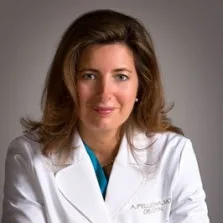
Dr. Pellicena runs her own solo OB-GYN office in the Houston Heights and has been in the area since 2010. She still practices obstetrics, including high-risk pregnancies, so midlife care sits inside a full gynecology practice rather than a standalone hormone clinic. Her menopause page is written in her own voice and puts the emphasis on hormonal assessment and bioidentical hormone replacement across more than one route of administration. The practice is a certified BioTE provider, so the hormone route it actually describes is compounded pellets placed under the skin and replaced every four to six months. She also offers the BioTE nutraceutical line and will build a supplement plan alongside the hormone therapy. She grew up in Madrid and sees patients in Spanish as well as English.
Dr. Moyers runs her own concierge gynecology practice in Fort Worth, built around perimenopause, menopause and sexual health. Most patients join a yearly membership that covers an annual physical plus eight more visits and direct access to her by phone and email, and pay-per-visit appointments are also available for those not ready to commit. She prescribes estrogen and progesterone in several forms and offers testosterone for low desire, along with in-office treatments like MonaLisa Touch laser and pelvic floor Botox. Sexual health is half of her focus and she also does osteopathic manipulation, so painful sex and pelvic pain get real attention here. Follow-ups can be done by video for patients in Texas and West Virginia, but exams and procedures happen at the Fort Worth office. The practice suggests women over 50 keep a separate primary care doctor.
Dr. Wiggins-Smith is one of seven providers at Texas Health Women's Care in Bedford, an obstetrics and gynaecology office in the Texas Health Physicians Group. She trained twice, finishing residencies in both family medicine and obstetrics and gynaecology at Texas Tech in Lubbock. Her own page names menopause medicine as a special focus, along with managing diabetes and high blood pressure in pregnancy. She spent more than a decade practising in San Angelo before moving to North Texas. The Bedford office lists hormone therapy and menopause treatment and counselling among its gynaecology services, and she also does minimally invasive and robotic gynaecologic surgery. She sees patients by video as well as in the office.
A solo direct primary care practice in New Braunfels where menopause and perimenopause care sits inside general family medicine. The physician holds the Menopause Society Certified Practitioner credential and also sees children and chronic disease. A flat monthly membership covers unlimited visits in person or by video, same and next-day appointments, and direct messaging by text, phone or email. The menopause first visit is an unhurried history, with labs ordered only where they would help, since the practice treats perimenopause as a clinical diagnosis rather than a lab one, and says openly that hormones are not the answer to everything.
AgeWell is Amy Garza's own midlife practice in Amarillo, and she sees women, men and couples. Every new patient starts with a Foundational Assessment of full labs, a body composition scan and a written plan, and care then runs as a three to six month program with optional membership after that. She prefers bioidentical hormones over synthetic ones and will walk through the different routes, from creams and patches to injections and pellets, rather than pushing one. Garza trained in anesthesiology before moving into hormone and age management medicine, and she writes openly on her own site about being an exhausted mother of four in her thirties. After her own marriage ended she took a particular interest in couples, who are often seen together in one two hour appointment. The clinic also runs skin and sexual health treatments on in office devices, and it says plainly that it is not primary care and works alongside your own doctor.
Rose Medical is Ruby Rose's solo integrative and functional medicine practice in north Austin, now housed inside the Breast and Body Center of Austin. She spent years as an emergency physician, including work as a flight physician during residency, before a serious car accident and her own misdiagnosed perimenopause sent her to train with Andrew Weil and the Institute for Functional Medicine. Care runs as programs rather than single visits. Most people start with a sixty minute virtual Focused Health Case Review that gives a working diagnosis and lab recommendations, and the six month program adds functional labs, a supplement plan, genomic testing and prescription management that includes hormone replacement therapy. Before starting hormones she screens for cardiometabolic disease and uses a DUTCH urine metabolite test, because she wants to know how a patient is converting estrogen first. She is not a primary care practice and expects every client to keep their own primary care provider.
Dr. Rao is an OB/GYN at Kelsey-Seybold Clinic, a large Houston multispecialty group, and she is one of only a handful of its providers whose profile carries a Menopause Care specialty tag next to OB/GYN. She trained at Baylor, where she was chief resident, and she sees patients in English and Hindi. She still runs a full obstetric and gynecologic practice rather than a menopause only one. Her menopause work covers hot flashes, bone loss, bladder symptoms and pain during sex, and she also does minimally invasive gynecologic surgery. She sees patients at the Rice Village OB/GYN office and the Downtown Clinic, and operates at the Berthelsen Main Campus surgery center. Care is booked through the group's own round the clock scheduling line or its patient portal, and her profile shows her open to new patients.
Dr. Walker is one of fourteen clinicians at Omega Ob-Gyn Associates, a women's health group that has served Arlington, Grand Prairie and Mansfield for more than forty years, and sees patients at its Grand Prairie and Arlington offices. Walker is the only clinician in the group whose biography names hormone care, and became a Menopause Society Certified Practitioner in 2025 after watching a spouse go through a hard perimenopause following a hysterectomy at 31. A nurse practitioner and two medical assistants make up a small team inside the larger group, and the site says a patient gets the same care from either clinician. Routine and high risk obstetrics and minimally invasive gynecologic surgery are part of the same job, so hormone care is one piece of a general practice rather than the whole of it. Texas patients can sometimes be seen by video when the schedule allows.
Dr. Wilson runs HerCare, a clinic for women only inside Amarillo Medical Specialists. She sees women 18 and up for primary care and pays particular attention to menopause management, bone health and family planning. She spent seven years directing a women's health and sex and gender differences center at Texas Tech and still teaches medical students about menopause. Visits lean on explaining the evidence behind each treatment option, and patients often leave with low-cost health habits as homework. New patients fill out an online pre-registration form, and staff then call to book a visit at the Westgate Parkway office. Neither her clinic site nor her group profile names a specific treatment she prescribes or performs.
Her office is an Ascension Seton women's health clinic on West 34th Street in Austin that was an independent group called Women Partners in Health before it joined Ascension. The group dates to 1985 and now has more than a dozen clinicians including midwives and nurse practitioners, so obstetrics and delivery are a large part of what it does. The clinic's own services page says a Menopause Society certified practitioner is on the care team, and she is one of two at that office. Her bio puts nutrition next to menopause care in what she focuses on, and she holds a master's degree in nutrition along with a certificate in plant based nutrition. The office does not offer video visits, so appointments happen in person.
A solo direct primary care family practice in San Antonio seeing women, men and children for wellness visits, chronic conditions and same-day problems, whose physician is a Menopause Society Certified Practitioner. Members pay monthly instead of using insurance and get direct access by phone, text or video alongside same or next-day appointments in person or by telehealth. Labs are drawn in house at negotiated cash prices, with discounted imaging and body composition scanning through local partners. The practice's stated position is that symptoms rather than hormone levels should guide diagnosis, so routine hormone testing is not usually needed.
Dr. Freeman runs her own concierge family medicine clinic in downtown Austin and puts hormone care for menopausal and peri-menopausal women at the front of it. She is a member of The Menopause Society and books 45 to 60 minute hormone consultations so there is time to go through a patient's questions. Hormone care is guided by symptoms as much as by blood or saliva levels, and the clinic also treats low testosterone in women with injections, gels or creams, and subdermal pellets. It is a membership clinic rather than one that bills insurance, and members get a yearly physical, a monthly B12 injection and lab draws in the office. Dr. Freeman is an osteopathic physician who does hands on manipulation, still makes house calls, and recommends a full body treatment four times a year. She grew up surfing the Texas coast and bikes to and from the clinic.
Dr. Campbell has been a partner at Northlake Ob/Gyn since 2000 and sees patients at its Plano office. After more than twenty years of delivering babies she gave up obstetrics and now practices gynecology only, with a growing focus on perimenopause and menopause. She has known many of her patients since their childbearing years and says she has grown up alongside them. She still does her own surgery, including robotic and other minimally invasive procedures such as hysterectomy and fibroid removal. This is a conventional insurance-based gynecology office, and the practice describes hormone therapy with pills, patches or creams along with low-dose vaginal estrogen. New patients can request an appointment through an online form or by calling the Plano office.
Dr. Christi founded this Houston practice in 2014 and runs it as two arms in one building, a urogynecology and surgery office and a separate longevity, hormone and aesthetics clinic a few suites down. She is a board certified urologist who spent her career in female urology and urogynecology, so prolapse, urinary incontinence, overactive bladder and recurrent urinary tract infections are her core work, and she has her own treatment pathway for interstitial cystitis. Hormone care for perimenopause and menopause runs through a year long concierge program with two tiers, built on an 80 marker blood panel and quarterly dose adjustments. The hormone pages describe bioidentical estradiol, progesterone and testosterone delivered as pellet implants, transdermal creams or sublingual troches, and say she inserts the pellets herself. The menopause page markets the practice as not a pellet mill, while the hormone pages put pellet implants first, which is worth knowing before a visit. She wrote a book on aging called The BioVitality Blueprint, and the practice says she and her husband use the same hormone therapy it prescribes.
Tiffany Gebel runs her own gynecology and obstetrics office in Sulphur Springs, in northeast Texas, and it trades under the name Gyno Gebel. She is the only provider the practice names, and its online scheduler books time with her directly. Her website is a single page giving the address, the hours and the booking link, and it never names any treatment she provides. The booking system offers an annual physical, a problem visit, a healthy weight visit and a first prenatal appointment, with no menopause or hormone option among them. The page asks women to come and see the office in person rather than describing care by video.
Dr. Sims is a Houston OB-GYN who runs a perimenopause and menopause clinic inside her own practice. Most visits happen by video, and established patients can also be seen at her central Houston office. New patients start with a virtual visit that opens with a short group orientation and then moves to private time with her. She mixes standard hormone therapy with functional medicine, herbs and Ayurveda, and she also treats low testosterone in women and runs a medical weight loss program. She writes openly about her own autoimmune illness and losing 70 pounds, which is what pushed her toward this style of care. Her main practice bills insurance, and women outside her network can join a separate self-pay program built around labs and education modules.
Dr. Cornforth is the only provider at Cornforth Gynecology and Medspa, the independent San Antonio practice she opened in 2021 after years in small and large group practices. She sees women for routine gynecology, abnormal bleeding, fibroids, endometriosis, contraception and menopause, and she does the surgery herself when it is needed, including robotic assisted hysterectomy. For menopause she works with estrogen patches, gels and pills, progesterone for women who still have a uterus, vaginal estrogen for dryness, and nonhormonal treatment when hormones are not appropriate. Gynecologic ultrasound is done on site, and in office lab draws are described as a benefit for members of the practice Essentials Tier 1 Access program. Virtual visits are limited to established patients who enroll in that program and hold an access code, so a new patient starts in the office. Booking requires a credit card authorization form before the appointment is reserved, and the practice charges separate administrative fees for prescription refills, prior authorizations and paperwork.
Dr. Bartos is an OB/GYN who runs a small practice in Frisco built almost entirely around women in midlife. From November 16, 2026 it becomes a membership practice. One annual fee covers an intake and wellness exam plus up to 11 more visits a year, in the office or by video, with messaging and same or next day visits for urgent problems. She prescribes estrogen, progesterone and testosterone, and also offers pellets and GLP-1 weight care. She also handles a good share of primary care like thyroid, blood pressure and cholesterol, and you always see her rather than a rotating provider. Places are limited, so there will be a waitlist once they fill.
Dr. Groves is a gynecologist at a large, physician-owned internal medicine clinic in Houston. After several years of delivering babies in private practice, she now sees only gynecology patients, adults aged 17 and over. She lists perimenopause and menopause care and hormone replacement therapy among her areas of expertise, along with alternatives to hormone therapy. She also does in-office procedures such as IUD placement, Nexplanon, colposcopy and endometrial biopsy. Her stated approach is evidence based and whole person, with longer visits set aside for complex or multifactorial concerns. New patients book by calling her office, and the clinic's online appointment requests are for established patients only.
Dr. Winstrom has practised as an MD in Texas for over thirty years and now runs a functional medicine practice called Partners in Vitality MD. Most care happens by phone or video, and she also sees patients in person on set days at three locations, one of which is the office in her own home on a 100 acre organic farm and grass fed beef ranch. Care runs as a course rather than a single visit, starting with a long health history, then a required blood panel bought through her office, then a second visit where she goes through the results and writes a patient plan. Visits are billed by the time a patient spends with her, so appointments run long and most patients are in treatment for several months. She offers bioidentical hormone therapy for all genders and treats thyroid conditions including Hashimoto's, and she tries to wean patients off medication where a natural alternative works. She no longer does pelvic exams or pap smears, though she will do the rest of a well woman visit, and she rarely prescribes controlled substances.
A solo, fully virtual membership practice for midlife women across Texas, run by a physician board certified in family, obesity and lifestyle medicine who is also a Menopause Society Certified Practitioner. The membership covers an hour-long first consultation, seven follow-ups a year, secure messaging between visits, prescription management and lab interpretation, while medication, labs and imaging are billed separately. Hormone therapy is offered but not part of every plan, with non-hormonal options discussed instead. The practice declines to use hormone pellets, citing unpredictable dosing. Care is given in English and Spanish, and the physician describes herself as working alongside a patient's existing doctors rather than replacing them.
Dr. Limosnero runs a small integrative gynecology practice in Carrollton that she opened in 2015 after about 11 years in general OB/GYN practice. She treats perimenopause and menopause with prescription hormone therapy, including bioidentical hormones that can add testosterone or DHEA, alongside herbs, nutrition and mind-body work. New patient visits are long, up to 90 minutes, and go through your history, lifestyle and symptoms before a plan is made. She trained in integrative medicine through the University of Arizona program and has also studied acupuncture and trained as a yoga teacher. For vaginal dryness and bladder leakage after menopause she offers MonaLisa Touch laser treatment as a hormone-free option. For now the office shares space with her husband's dental practice, so patients come in through Suite 100.
Dr. Carol runs a small concierge practice for women in perimenopause and menopause, and she is going through midlife herself. She spent about 20 years as an emergency physician before turning to menopause care. Care starts with a free 30-minute video call, then a package of two long visits, each 60 to 90 minutes, with messaging between and after them. Visits can be at her Manhattan office, by video, or at your home or workplace. The visits look at symptom treatment along with bone, heart and breast cancer risk. She does not replace your own doctors, so you still need a primary care doctor and a gynecologist for exams and mammograms.
ThriveWellMD is a telehealth practice run by Dr. Nicole Perrotte, an internal medicine physician with added training in lifestyle and obesity medicine who is also a certified health coach. Care starts with a two-part video assessment, with a 60-minute intake, a full lab panel and then a second 60-minute visit to go over the results and a written plan. Patients then move into monthly phases for hormones, metabolism and weight, or sexual health, with app messaging between visits. The hormone phase includes bioidentical hormone therapy made by outside compounding pharmacies. She built the practice after her own burnout, fatigue and weight gain, and it does not replace a primary care doctor.