335 practitioners have an office in Texas, and 109 more can see patients here by telehealth. 283 of them are certified by the Menopause Society, and the most are in Houston, Austin and Dallas.
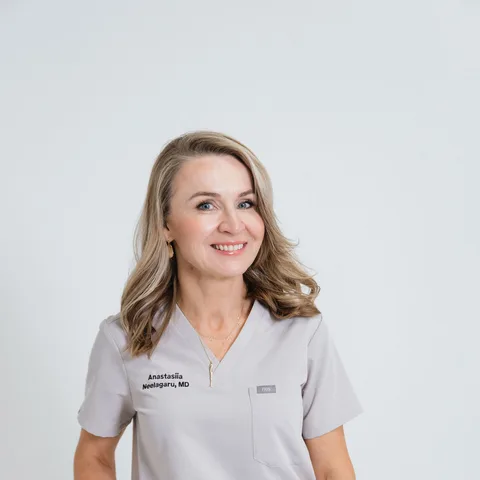
Dr. Neelagaru runs a virtual-only specialty clinic for menopause and sexual medicine. She no longer provides primary care, so patients keep their own doctor for routine care, physicals and pelvic exams. New patients start with a free video strategy call, and care runs through 60-minute video visits or her four-month Flourish Method program with labs and monthly follow-ups. She prescribes FDA-approved bioidentical estrogen, progesterone and testosterone, plus vaginal estrogen and non-hormonal options, and she does not place pellets but helps women move off them. Sexual health is at the center of her practice, and she also sees male partners for erectile dysfunction and low testosterone. She is perimenopausal herself and says her own hormonal changes shaped how she practices.
Jackie Stone, MD sees women entirely by telehealth, in a practice she runs alone. She is board certified in obstetrics and gynecology and in obesity medicine, and treats perimenopause, menopause and primary ovarian insufficiency alongside PCOS, genitourinary symptoms, sexual wellness, and skin and hair changes. First visits run a full hour and cover past records, labs and a treatment plan. Ongoing care is by monthly membership or visit by visit, with direct messaging for members.
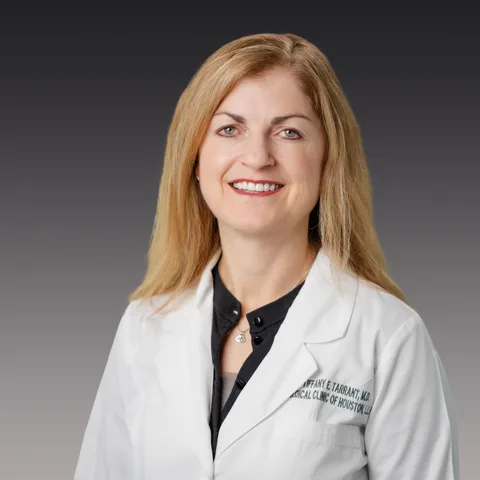
Dr. Tarrant is one of two gynecologists at Medical Clinic of Houston, a physician owned multi specialty clinic near Rice University, and she works out of its sixth floor. She is a board certified OB-GYN whose practice here is limited to clinic based gynecology, so she does no obstetrics. She sees adult women from menarche through menopause and beyond, and her bio names hormone replacement therapy and alternatives to hormone therapy among the things she treats. She came to medicine from biomedical engineering at Vanderbilt and has more than twenty years of clinical practice behind her. She has recorded short video answers to about twenty patient questions on her profile, covering how her office runs and what she considers as an alternative to medication. New patients start by calling her secretary, since the clinic's online appointment request only works for established patients in the portal.
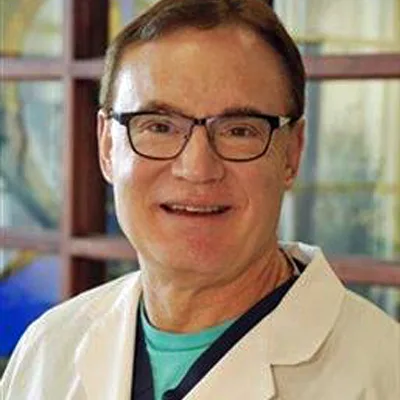
Robert Kauffman is an obstetrician gynaecologist at the Texas Tech Physicians OB-GYN clinic in Amarillo and a full professor in the university's obstetrics and gynaecology department. His university profile lists menopause among his clinical interests and records his menopause practitioner certification. His own bio there adds paediatric gynaecology, polycystic ovary syndrome, infertility and chronic pelvic pain. He has lectured at the American College of Obstetricians and Gynecologists on bioidentical hormones and pellets, as an evidence based and medico-legal review. His faculty page mentions that he is a classical pianist who loves opera before it mentions anything clinical. The clinic page publishes no service list and no prices for any of its doctors, and his own listing there says he is not taking new patients.
Dr Rivera Jimenez runs Texas Menopause from the Pink Women Center office in Katy and treats women through natural menopause, surgical menopause and the years before it. He came to this work from a nutrition degree and a functional medicine and anti-aging fellowship, so visits lean heavily on hormone, metabolic and nutritional testing alongside hormone therapy. He also does the gynaecology in the same office, including pelvic ultrasound, hysteroscopy, biopsies and IUDs, and operates in hospital for procedures like hysterectomy and endometrial ablation. He makes a point of telling women when a hysterectomy or other surgery would not help them. The practice runs a four week menopause discussion group over Zoom or in person that anyone can join without becoming a patient. The page meant to explain how appointments and intake questionnaires work has not been published yet.
Dr. Quezada is an OB-GYN at Carl R. Darnall Army Medical Center at Fort Cavazos, and his gynaecology page describes care for active duty women soldiers and family members of service members. Menopause symptom management and bioidentical hormone therapy are both on his list of services. He spent 16 years in the Navy and left active duty as a Lieutenant Commander, and he says he is one of only two Menopause Society certified practitioners in Central Texas. Much of his practice is surgical, built around what he calls his FP3 focus on fibroids, pelvic pain and prolapse, and he performs radiofrequency ablation of fibroids. The site publishes no prices, says nothing about insurance, and offers no current way to book, and a few pages still carry leftover copy and an old appointment link from his former East Texas practice.
Dr. Chalasani is an Austin OB/GYN who has run a private practice for more than 25 years. The PausetiveMD website is for her in-person menopause seminars, not for her clinic. At a seminar a small group of women spends a morning with her going over hormone science, symptoms and hormonal and non-hormonal treatment options, and each woman leaves with a written list of options. She says she is 58 and has been through most menopause symptoms herself. The site does not say how to become her patient.
Dr. Meinhardt is a board-certified OB-GYN at a long-running Lewisville group practice, and menopause and hormone therapy are named focuses of her own work. She joined the practice in 2024 after finishing active duty in the Air Force, and she grew up in nearby Garland. Her bio says she builds treatment plans around each patient's lifestyle. She also treats urinary incontinence and pelvic pain, which often come up alongside menopause. New patients can book a hormone consult online at either the Lewisville or Flower Mound office. Visits are in person.
A psychiatry practice built around reproductive and women's mental health across the lifespan, from puberty through menopause, alongside general adult psychiatric care for anxiety, depression, ADHD, obsessive-compulsive disorder, bipolar disorder and trauma. Care is given in person in Austin or by video in Texas and California, on an insurance-based model with a small team of a psychiatrist, a physician assistant and two psychiatric nurse practitioners. Menopause work is framed psychiatrically. She judges where a patient is in her hormonal transition and weighing menopausal hormone therapy, antidepressants or both, with nutrition, supplement and sleep guidance alongside. The founder holds a perinatal mental health certification and further training in perimenopausal mental health.
Dr. Vogel runs an independent pain practice in Marietta, and menopause care is one part of a wider practice built around pelvic, sexual and nerve pain. He opened one of Georgia's first stand-alone menopause clinics in 1997 and has written about bioidentical hormones. His women's health care includes hormone therapy, other medications and herbal options. For women who can't use hormones and haven't found relief elsewhere, he offers stellate ganglion blocks for hot flashes. He also treats vulvodynia, pelvic floor pain and low sexual desire, and patients can refer themselves. Visits are in person, with telehealth consults when travel is hard.
A private-pay, physician-led lifestyle medicine practice in Buckhead focused on women over 40 in perimenopause and menopause, which also treats men for testosterone and metabolic concerns. Every new client starts with the same intake, a broad lab panel, body composition analysis, an hour with the physician and a written plan, before any treatment is recommended. Ongoing care runs as invitation-based programs for hormone optimization or weight, plus a maintenance membership with quarterly visits. Hormones are offered as creams, oral, vaginal, injections and pellets. It is not a primary care practice and refers out for mammograms, cervical screening and other diagnostic work.
Hot Springs National Park, AR · In person & virtual
Self-pay · from $150/mo
Dr. Rice is a general and trauma surgeon who started this separate practice for women in perimenopause and menopause. She prescribes bioidentical hormones and also coaches patients on lifestyle. New patients start with a long first consultation, in person in Hot Springs or by video, and then have follow-up visits. Patients can message her through an app portal, and she runs a monthly group video call.
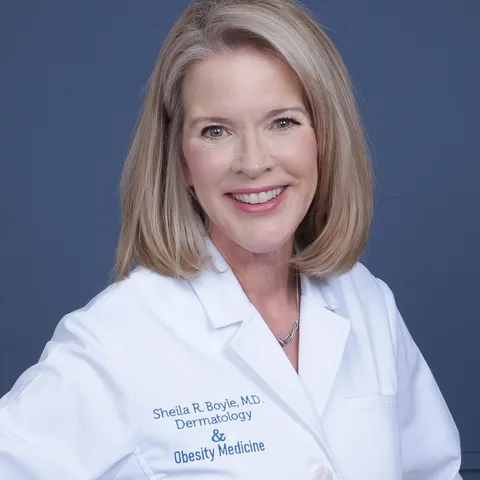
A solo direct-pay practice in Lone Tree whose stated scope is dermatology, cosmetic procedures and medically supervised weight management. The physician is board certified in dermatology and obesity medicine. Every initial visit is by video, with in-person follow-ups by appointment, and the practice does not bill insurance. Hormone replacement therapy is named only as one reason for a new-patient visit on the fee schedule, and no hormone or menopause care is described anywhere else on the site.
Vida Family Medicine is a small direct-care practice in Sugar Land, and Dr. Kumar is the internist there who handles midlife and menopause care. Her perimenopause evaluation runs over two visits, a 60 to 90 minute history and physical with labs ordered, then a results review where she sets a plan that can mix hormone and non-hormone treatment. She wants the first visit in person because she does a physical assessment including a pelvic exam, and after that visits can be by video, with messaging in between through the practice's Spruce app. She will also come to your home for a new patient visit in some Houston neighborhoods for an extra fee. She came to this from hospital and ICU work and primary care at the VA, and she says plainly that she makes no money from selling medications or supplements, so she sticks to proven treatments and steers people away from quick fixes sold by non-experts. She asks patients to plan on six months to a year of working together, and the practice cannot take anyone eligible for Medicare or Medicaid.
The She Clinic is Dr. Tinker's own women's health practice in Missouri City, and she is the only physician there. She trained in family medicine after an obstetrics and gynecology internship, and added training in functional and cosmetic medicine across about twenty years of practice. Hormone care starts with a one-on-one online consultation meant to answer questions rather than commit you to ongoing treatment. She will not start hormone therapy without a face to face visit first, online or in person. She uses bioidentical hormones and will use compounded hormones when an evaluation points that way. The site carries her own 51 symptom perimenopause checklist that scores your answers and prints a sheet to bring to the visit.
Sukoon is a med spa in Rowlett that Dr. Cheema owns and runs. She is an OB-GYN with more than twenty years as a physician, and the gynecology side of the business is a real clinical practice. She manages perimenopause and menopause with hormone replacement therapy, and also handles well-woman exams, contraception and period problems. The only other person on the team is an esthetician, so the women's health care here is hers. Everything is booked through the practice's online scheduler, which prices each visit up front and offers telemedicine as well as office visits. She is board certified in lifestyle medicine and trained in wellness coaching at Harvard, which shapes a separate doctor-led weight loss program built around semaglutide and tirzepatide.
Hormonal Well-Being is a small Bellaire clinic that Dr. Wynne Duncan joined after two decades in obstetrics and gynaecology, including years as an OB-GYN hospitalist at a Houston women's hospital. She has moved off obstetrics to work only on women's midlife health, and she is also a diplomate of the American Board of Lifestyle Medicine. A first visit runs forty to sixty minutes, then labs are ordered and you come back in one to two weeks to go over the results and start a plan. The clinic publishes a full price list for visits, pellet placement and office procedures in its own online store. Pellets are placed for oestrogen and testosterone, though the site suggests trying a cream or another daily form first to see whether you like the effects. Body composition is measured with a body-composition scan at most visits.
Zelos is a small direct primary care practice that Dr. Oni started after years of fee-for-service family medicine in Illinois. The care is openly faith-based, and the site says Dr. Oni will pray with patients who want that. Menopause support is listed under women's health next to annual exams and family planning, but the site does not name any hormone treatments. Members get unlimited office visits and can reach Dr. Oni by phone, text, email or video between them. The office is open Monday to Wednesday. Dr. Oni is also board certified in obesity medicine and runs a separate virtual weight program for patients in Texas and Illinois.
This is a one-physician membership practice that treats hormones as one part of a performance and longevity program for women and men. Dr. Wenhold spent ten years as an emergency room physician before starting it and is board certified in family medicine. Hormone therapy is dosed from the lab work that anchors the membership, which is repeated twice a year. The same membership covers nutrition and training plans and GLP-1 weight medication. Members reach the physician in person or by video, and the first step is a free video call to see if it fits. Dr. Wenhold's own article on perimenopause says normal labs do not rule it out and calls hormone therapy the most effective treatment for hot flashes for suitable candidates.
Dr. Anyaoku founded Hibiscus Aesthetics and Wellness in Katy and is the only clinician there. Hormone care starts with a wide lab panel rather than a symptom questionnaire, and she orders markers like free T3, DHEA-S and fasting insulin that a standard physical skips. She prescribes bioidentical hormones as patches, creams, injections or pills, and no page on the site mentions pellets. She is also a diplomate of the American Board of Obesity Medicine, so weight and hormone questions get handled in the same visit. Aesthetic treatments happen in person at the Katy clinic, while hormone, weight and longevity care can be done by video in 23 states. You pay per visit and there is no membership or package.
Dr. Roberson runs a small integrative medicine practice for women in Houston and works mainly as a consultant alongside a patient's own primary care physician. She is a board certified gynecologist and will do a well woman exam with a Pap, and she takes on medical problems when a patient has no other doctor. Natural and lifestyle treatments are considered first in her approach, with standard medical care used when it is needed. She prescribes bio-identical hormones for women who need them, and names estrogen, progesterone, testosterone and DHEA as the ones she might recommend. New patient visits are booked for a full hour and the office aims to start them on time, which it compares to the way a spa runs its schedule. She trained for two years in integrative medicine at the University of Arizona under Andrew Weil and also studied mind body medicine at Harvard.
Dr. Haver opened this Galveston clinic in 2021 after repeated requests for in-person appointments from women following her menopause work. Every visit is a one hour consultation covering health history, symptoms, nutrition and whether hormone therapy is a fit. Lab work is done at Quest before the appointment and reviewed by the clinician, and an InBody body composition scan is part of the in-person visit. The visit fee also covers lifetime access to her 'Pause Strong online program and a month of the clinic's own supplements, though prescriptions are bought separately at a pharmacy. The clinic does not do traditional well woman exams, so patients keep their own gynecologist for those. Care is limited to people who live in Texas, and new patients start with a request form the team screens before offering a slot.
FemGevity is a virtual women's health service that works alongside a patient's own doctor, and Dr. Abrahams is its menopause medical advisor. He sees patients himself by video, starting with a 45 minute consult about symptoms and hormone levels. Care starts with testing, usually a hormone panel of more than 100 biomarkers, with gut, micronutrient or genomic panels added when they are useful. Treatment can run from standard prescriptions to custom bioidentical compounds, and he describes his approach as conventional medicine combined with complementary care. He is a Harvard-trained gynecologist who also treats endometriosis, PMS and fibroids, and he still works part time for the Department of Veterans Affairs in New York and at Hackensack University Hospital in New Jersey. FemGevity's main menopause program runs through partner doctors' offices, where the blood draw is done, so it helps to have a doctor of your own.
Dr. Brode is a board certified urologist who gave up surgery and now runs her own virtual practice for women in perimenopause and menopause, and she sees men for sexual health too. Visits happen by video, and she takes patients in Michigan, New York and Texas. New patients can start with a short introductory call that is only a conversation about whether she is a fit, with no diagnosis or prescribing. Her hormone care stays with FDA approved therapy, and a visit covers sleep, mood, stress and daily life as much as medication. Her urology background shows in what she treats, including bladder leaks, urgency, waking at night to urinate and repeat UTIs alongside vaginal dryness and painful sex. She says going through perimenopause herself showed her how little she and other clinicians had been told about the options, and she went on to take extra training in menopause care.