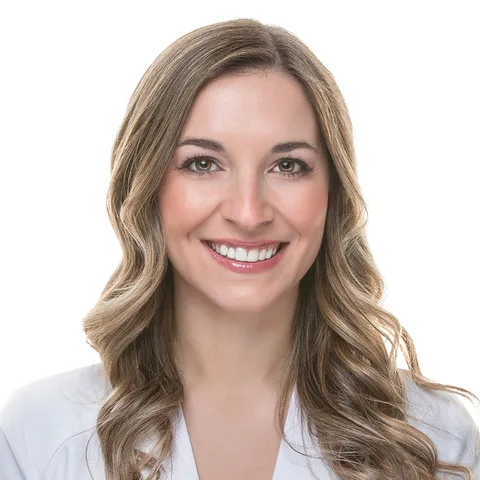
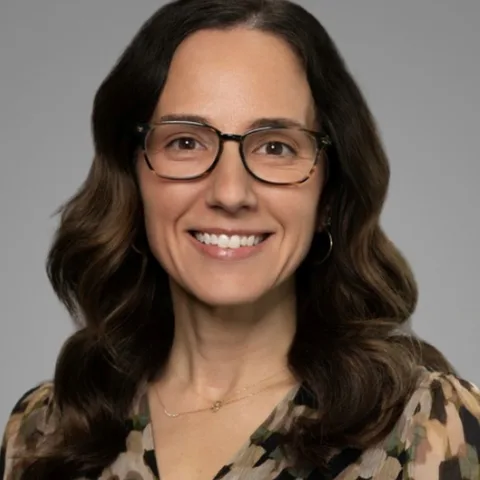
Optiml is a new practice in Winter Park run by Amber Braithwaite, a nurse practitioner, and it opens in December 2026. It will offer hormone therapy, metabolic care and what it calls healthspan medicine, aimed at people who were told their labs were normal but still don't feel right. Until it opens, the only way in is a waitlist form on its website, and the practice says it will contact people as places open up. Its full website, including prices and details of how care works, is not live yet.
Dr. O'Sullivan is a family physician who runs a video-only menopause practice for women in Oregon and Washington. Care comes as a six-month program with a 60-minute first visit and four 30-minute follow-ups, paid monthly, with no extra charge for messaging. After that you can add another six months or come back once a year, and anyone on testosterone must have a video visit and labs every six months. She mostly prescribes FDA-approved hormones and uses compounded ones only for a medical reason. She sees many breast cancer survivors and will work with their oncology team. You still need your own primary care doctor or gynecologist, and she also co-hosts the menopause podcast The Dusty Muffins.
Lindsay Lyall is the only clinician at this small aesthetics and wellness practice in Jefferson. Alongside cosmetic treatments she prescribes menopause hormone therapy as patches, gels, pills, vaginal products or pellets, and also treats thyroid problems and offers medical weight loss. Hormone care starts with a paid consultation that includes labs, followed by visits every 12 weeks or pellet insertions about every four months.
This is one-on-one health and wellness coaching by video, not medical care. Joan Battelle is a coach and does not prescribe, and her site describes the work as education and coaching rather than psychotherapy. Sessions cover menopause symptoms and sleep alongside the other things arriving in midlife, such as caring for aging parents, grown children, grief and the question of who you are now. She taught college psychology for twenty years and says she coaches from her own experience of this stage. New clients start with a free introduction call arranged through the contact form. She also has a self-paced course on menopause and caregiving that currently has a waitlist.
Dr. Bernard is a family doctor in New Milford with extra fellowship training in reproductive health. Menopause care and hormone therapy are a named part of her practice, alongside sexual health and caring for patients with complicated medical histories. Before medical school she worked in contraceptive research. She sees patients at the Northwell primary care office and at the Women's Wellness Center at New Milford Hospital, both on Elm Street. She grew up in the town and speaks Spanish as well as English. Appointments are made by calling the office.
Shannon Navarro runs a solo therapy practice in Mill Valley and also sees clients online anywhere in California. She works with individuals and couples on trauma, grief, anxiety, burnout and relationship problems. Her training started at an addiction program in Marin and then a hospice, where she worked as a bereavement counselor with both children and adults. She is certified in EMDR and has advanced training in Emotionally Focused therapy for couples. She lists women's health among her areas of training and belongs to The Menopause Society, but the site describes talk therapy only and no hormone or medical treatment.
Zeising is a licensed clinical psychologist and a certified sex therapist, and she has done this work for more than twenty years. Everything runs online over Zoom now, with no in person sessions, and she sees clients in California, Florida, Idaho and Vermont. Her perimenopause and menopause page is about desire, identity and the strain the transition puts on a relationship, and she says plainly that symptom management belongs to a woman's own gynecologist while she works the layer underneath. She prescribes nothing and refers out, working alongside gynecologists, urologists and pelvic floor physical therapists when the physical side needs attention. The named approaches she integrates include cognitive behavioral therapy, acceptance and commitment therapy, internal family systems and psychodynamic psychotherapy. She is a cancer survivor herself, and she says that experience shaped how she sits with people facing uncertainty.
Orama Wellness is an online psychology practice that Linda Kondilis founded in Atlanta after years of work in reproductive mental health. Care here is talk therapy rather than medical care, and nobody on the team prescribes hormones or orders labs. The perimenopause service is about coping with sleep trouble, anxiety, brain fog, pain and changes in sex and relationships. Most of the practice is fertility and third party reproduction work, with cancer support and couples counseling alongside it. New clients request a first appointment through the practice's booking portal, and she offers a free phone consultation before starting.
A solo nurse practitioner practice in Tampa combining primary care with midlife hormone care, run by an autonomous nurse practitioner who is a Menopause Society Certified Practitioner. First visits and annual wellness visits run about an hour and follow-ups about half an hour, offered both in the office and by telehealth, with hormone plans guided by symptoms, labs and history. The practice also handles chronic conditions, basic in-house lab testing and peptide therapy.
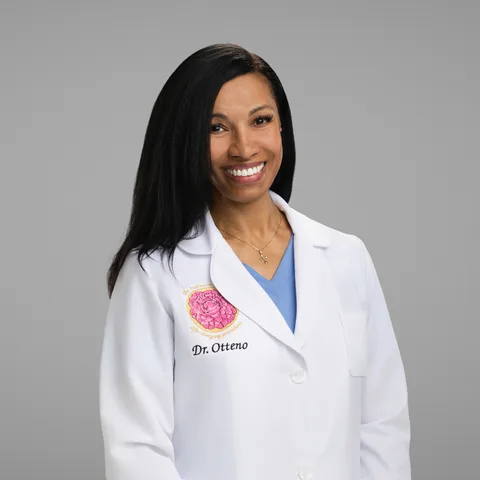
Dr. Otteno is an OB-GYN whose practice is mostly cosmetic and restorative gynecology, and hormone therapy is one part of it. She trained in female genital cosmetic surgery with Dr. Michael Goodman. For menopause care she starts with an hour-long in-person hormone consult, then writes a plan that can use pills, patches, gels or creams. Bioidentical hormones are one of the options she discusses. Regular follow-up visits are used to check how treatment is going and adjust the dose. Women who are not good candidates for hormones get other options and lifestyle advice instead.
Angela Jones handles menopause and hormone care at Phase II Center for Women's Health, a gynecology and pelvic health clinic in Millcreek run by an all-female team. The clinic does no obstetrics, so appointments are not bumped for deliveries. Before moving into women's health she worked in emergency medicine and critical care. She prescribes both bioidentical and conventional hormone therapy, offers non-hormonal options, and keeps an eye on bone and heart health after menopause. She also covers routine gynecology like annual exams and contraception, and a gynecologic surgeon in the same office sees bladder and prolapse problems. The clinic bills insurance, and visits are booked by phone.
Dr. Boutwell runs a small independent practice in Lexington for women over 40, combining internal medicine, lifestyle medicine and menopause care. Instead of a monthly fee you buy a block of her time, and emails, record reviews and care coordination all count toward it along with visits. Care starts with a long annual assessment and then moves to quarterly check-ins with one-month and three-month action plans. She can be your main doctor or work alongside a primary care doctor you want to keep. She spent more than 20 years as a hospital physician at MGH and Newton-Wellesley and can guide you through an ER visit or hospital stay. She also runs a separate ten-month Healthspan Program open to women outside Massachusetts, and new patients start with a short video meet and greet.
Penny Wortman is a certified nurse midwife who runs Mosaic Integrative Wellness, a small practice in Topsham with visits in person or by video. She cares for women, trans and nonbinary patients, and she is certified in gender-affirming menopause care. Menopause care starts with a long first visit that goes over symptoms, history and past treatments, and the plan may include lifestyle changes, natural options or hormone therapy. She also sees patients for pelvic pain, PCOS, endometriosis, sexual health, weight and annual gyn exams. She has more than 25 years in obstetrics, gynecology and primary care, and says she follows Health at Every Size principles. Her office is inside a hair salon in Topsham.
A solo nurse-practitioner telehealth practice serving women and men across Wisconsin for perimenopause, menopause and low testosterone, with no physical office described. Care starts with a one-hour video visit covering health history, symptoms and hormone goals, then follow-ups at about three months and annually, with secure messaging in between. Labs are ordered directly without a separate visit and drawn at a lab of the patient's choice or from a mailed kit, and appointments run evenings and Sundays.
A four-provider obstetrics and gynecology practice serving the Lake Norman area, covering obstetrics, gynecologic surgery and women's primary care alongside a menopause service line, with a hospital affiliation nearby. Dr. Guida's own focus is minimally invasive robotic surgery for hysterectomy, fibroids and endometriosis. The practice's menopause material describes FDA-approved systemic and vaginal hormone therapy plus non-hormonal options, and cautions against custom-compounded hormones. A sister practice at the same address handles aesthetics and physician-supervised weight management.
Dr. Bernstein runs a small self-pay practice in Frisco devoted only to menopause, perimenopause and midlife sexual health. She spent more than 25 years as an OB/GYN in Summit and Eagle counties before opening it. Care starts with a free 15 minute phone call, then either a single one-hour visit or a six-month plan with monthly follow-ups and unlimited portal messaging, in person or by video. She often prescribes bioidentical hormones but will not use pellets because the dose cannot be adjusted, and she offers non-hormonal options for women who can't or won't take hormones. Sexual health is a real focus, with a separate consultation for painful sex, low libido and vaginal or urinary symptoms. She works alongside your regular gynecologist rather than replacing it, so Pap tests and mammograms stay with them.
Tracie Smith is a therapist at LynLake Centers for WellBeing, a large Twin Cities group practice that offers counseling, psychiatric medication management, nutrition therapy and acupuncture. She sees adults and works by telehealth and out of one of the practice's Minneapolis offices. Perimenopause and menopause are listed as areas of special interest, along with grief, identity and the strain of caring for others in midlife. Her approach draws on mindfulness, narrative, solution focused and cognitive behavioral work. She came to social work after a corporate career and holds an MBA alongside her MSW. She is practicing under the supervision of a licensed clinical social worker while she finishes her own licensure, and her profile says she is not accepting new clients.
A psychiatry practice built around reproductive and women's mental health across the lifespan, from puberty through menopause, alongside general adult psychiatric care for anxiety, depression, ADHD, obsessive-compulsive disorder, bipolar disorder and trauma. Care is given in person in Austin or by video in Texas and California, on an insurance-based model with a small team of a psychiatrist, a physician assistant and two psychiatric nurse practitioners. Menopause work is framed psychiatrically. She judges where a patient is in her hormonal transition and weighing menopausal hormone therapy, antidepressants or both, with nutrition, supplement and sleep guidance alongside. The founder holds a perinatal mental health certification and further training in perimenopausal mental health.
Dr. Malcolm runs a telehealth-only menopause practice and sees women in perimenopause and menopause by video. Care starts with a free 15-minute discovery call, then a full consultation and a membership that runs for six or twelve months. She prescribes hormone therapy when it fits and will also prescribe GLP-1 medication for weight as one part of a wider plan. Besides being an OB-GYN, she is a certified fitness and nutrition coach, and strength training to keep muscle is a big part of how she works. She often starts treatment based on symptoms and health history rather than hormone blood tests.
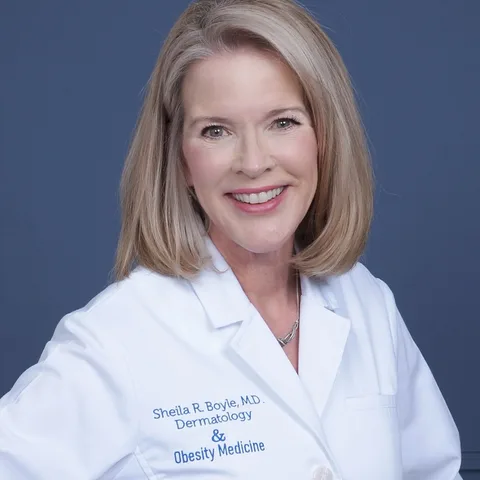
A solo direct-pay practice in Lone Tree whose stated scope is dermatology, cosmetic procedures and medically supervised weight management. The physician is board certified in dermatology and obesity medicine. Every initial visit is by video, with in-person follow-ups by appointment, and the practice does not bill insurance. Hormone replacement therapy is named only as one reason for a new-patient visit on the fee schedule, and no hormone or menopause care is described anywhere else on the site.
RegenCen is a hormone and regenerative medicine group with more than twenty offices across Michigan and Florida, and Amanda is its chief clinical operations officer as well as a treating PA. Care starts with a consultation and a full history, then a lab order, and you come back to go over the results before hormones are started. They use bioidentical estrogen and testosterone in pellet, gel, cream, oral and vaginal forms, and they recheck labs every three to four months. The practice is openly in favor of pellets and describes the insertion as a quick office procedure that lasts about three months for women. Amanda also trains and certifies the group's other clinicians in hormone care, so her name sits behind the protocols as well as the exam room. Alongside hormones the offices do medical weight loss with GLP-1 medicines, hair restoration injections, and device treatments for bladder leakage and vaginal comfort.
Laura Abrignani runs a small cash-pay women's health practice in Santa Barbara focused on perimenopause and menopause. She went through early menopause herself at 43, with symptoms that went undiagnosed for a while before she started hormone therapy, and she says that shapes how she listens to patients. New patients start with a long first visit that goes over health history, symptoms and any recent labs. She prescribes FDA-approved bioidentical and synthetic hormones, and compounded bioidentical hormones when they suit the patient. The practice also treats sexual health concerns such as low libido and painful sex, and offers medical weight management including GLP-1 medications. Every service is offered in person at her office or by telehealth.
Seashore MD is Dr. Smolinsky's solo gynecology office in Little Silver, set up around the perimenopausal and menopausal years. She looks for the root cause of symptoms first and builds a plan from there, and she uses non-hormonal treatment as well as hormones. Hormone therapy comes in several forms, including pills, patches, creams, gels and EvexiPEL bioidentical pellets inserted in the office. She also treats the physical changes that come with menopause, such as bone and muscle loss, painful sex and repeat bladder infections, and she uses an Emsella chair for pelvic floor weakness and leaks. Visits can be virtual or in person, and the office draws its own blood work through an on-site Quest technician and runs ultrasounds twice a month. Dr. Smolinsky was born and raised in Israel and sees patients in Hebrew as well as English.
Kim Bryant is the menopause nurse practitioner at the Center for Menopause, which sits inside Urology of Indiana. She joined the practice in 2026 and sees patients in Carmel, Fishers and Greenwood. The first visit covers a detailed history, a pelvic exam and targeted testing. Because it is a urology practice, bladder leaks, pelvic floor problems and painful sex get extra attention, and in-office options include vaginal laser and the Emsella chair.