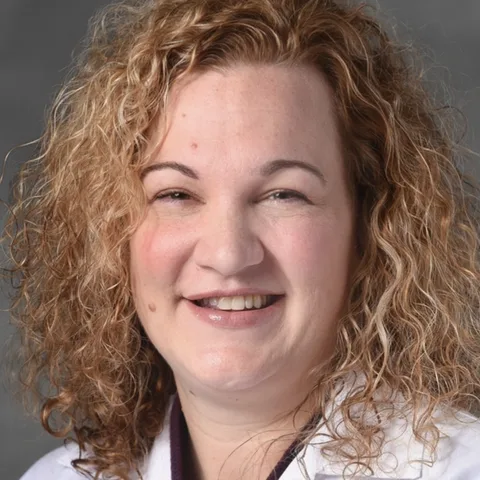
This is a virtual-only practice run by one nurse practitioner, with no office to visit. She spent much of her career at a cancer center caring for women with breast cancer. She saw how treatment can start or worsen menopause symptoms, and that is what pulled her toward menopause care. Patients do video visits, then get lab or imaging orders to complete locally and prescriptions sent to their own pharmacy. She asks that every patient has a gynecologist for routine exams. Follow-up visits and secure messaging run through a patient portal.
Dr. Yehl founded Coastal Women's Medical after 24 years in hospital medicine, having worked first as a nurse and then as a certified nurse midwife before medical school. The practice is built around long visits, with 90 minutes for a new patient and a care plan written once labs come back. Ongoing hormone care runs on a monthly membership with quarterly visits, and patients who become clinically stable can step down to a cheaper program with fewer visits. Weight change in midlife is treated as a hormonal problem, so GLP-1 medication is managed alongside hormone therapy rather than in a separate track. Primary care is reserved for concierge members, and everyone else is seen for hormone, menopause or weight care. The office also runs medical grade red light therapy and a paid audio course for women who want to arrive at an appointment prepared.
Dr. Brode is a board certified urologist who gave up surgery and now runs her own virtual practice for women in perimenopause and menopause, and she sees men for sexual health too. Visits happen by video, and she takes patients in Michigan, New York and Texas. New patients can start with a short introductory call that is only a conversation about whether she is a fit, with no diagnosis or prescribing. Her hormone care stays with FDA approved therapy, and a visit covers sleep, mood, stress and daily life as much as medication. Her urology background shows in what she treats, including bladder leaks, urgency, waking at night to urinate and repeat UTIs alongside vaginal dryness and painful sex. She says going through perimenopause herself showed her how little she and other clinicians had been told about the options, and she went on to take extra training in menopause care.
A women's health and gynecology group specializing in bioidentical hormone replacement for women in perimenopause and after menopause, with a Norfolk office among nine sites across four states. Care runs as an in-person consultation with a board-certified provider, a hormone blood panel including thyroid, and a follow-up visit to review results and set a plan, followed by weekly or bi-weekly nurse-run injection visits and periodic lab check-ins. Hormones are supplied as sublingual progesterone, sublingual biestrogen and injectable testosterone. Alongside hormone care the practice offers routine gynecology, contraception, platelet-rich plasma treatments for sexual wellness and hair, weight medication and aesthetics.
Dr. Rowe is the founder and lead physician at Magnolia Place, a Greenville practice she built around a membership model that still bills insurance. Memberships are banded by age and cover a well woman exam, three office visits and one set of annual labs each year. Her menopause care starts with a hormone therapy evaluation and runs alongside non-hormonal options and preventive work on brain, heart and bone health. She is blunt about marketing language and tells patients that bioidentical is a marketing term. The main medical membership is currently offered through a waitlist, so new patients join a list rather than booking straight away. The office also runs a skin and pelvic wellness line, but those treatments are booked with two other providers rather than with her.
Nurture Gynecology and Wellness is a direct care practice in Wadsworth, and Dr. Holmes Mason is the only clinician the site names. She trained in restorative reproductive medicine, and her care starts with cycle charting, functional testing, nutrition and lifestyle measures before a plan adds prescriptions, supplements or mind-body therapies. The services she lists run from normalizing cycles and PMS through perimenopause and menopause, and also cover PCOS, infertility and pregnancy loss prevention. New patients book a short discovery call with her first and schedule a first appointment after that. Ongoing care runs on a monthly membership that covers follow up visits, portal messaging and text or phone access, with a pay by visit option for people who need only occasional follow up. Nothing on the site names a hormone medicine, so what she uses for menopause is not published.
Susan Kamin spent years as a hospital and clinic midwife and attended over 1,000 births before turning toward menopause and sexual health care. Lifecycle Women's Health is a one-person office in a small cottage in Brunswick, and visits run long, with an hour for a first visit and 75 minutes for a menopause consultation. Care covers the perimenopause and menopause transition alongside a separate sexuality counseling service, and Kamin holds a sexuality counselor certificate on top of midwifery and nurse practitioner training. The practice describes supporting patients with healthy lifestyle changes, nutrients and supplements, lab testing and prescribed medication when it is needed. Kamin says plainly that the practice does not do primary care and does not look after people during pregnancy, but keeps referrals for anyone who needs maternity care. New patients start by calling the office, because the online scheduler is open to established patients only.
Zelos is a small direct primary care practice that Dr. Oni started after years of fee-for-service family medicine in Illinois. The care is openly faith-based, and the site says Dr. Oni will pray with patients who want that. Menopause support is listed under women's health next to annual exams and family planning, but the site does not name any hormone treatments. Members get unlimited office visits and can reach Dr. Oni by phone, text, email or video between them. The office is open Monday to Wednesday. Dr. Oni is also board certified in obesity medicine and runs a separate virtual weight program for patients in Texas and Illinois.
The Wellness Space is a small Aledo clinic run by two nurse practitioners, Kiara Reyes and Jamie Underhill, who started it around infusion therapy and later added menopause care. Menopause visits have their own appointment type and can be booked in the office or by video, with a long first visit and shorter follow ups. The practice says it follows The Menopause Society clinical guidelines and treats with bioidentical hormone therapy along with peptides and guidance on diet, exercise and supplements. The same two nurse practitioners also run a medical weight loss program using semaglutide and tirzepatide. The clinic handles urgent care, iron infusions and aesthetics as well, and it will do house calls within ten miles of the office.
Dr. Steinberg spent more than two decades as a Seattle area gynecologist before leaving her previous practice in 2024 to open her own, centered on hormones, perimenopause and menopause. She does not work with insurance, which she says lets her give each patient more of her time. New patients start with an hour-long visit, by video or in person at an office in Bothell, and shorter follow-ups come after labs or starting treatment. Patients who would rather not pay per visit can choose one yearly fee that covers all visits. She also looks after bone health, heart disease prevention and bladder problems, but no longer does surgery and refers out for it.
Female Focused is a telehealth-only practice started by four friends, and Dr. Bernstein-Lawler is one of the founders. New patients begin with a long video visit and then follow up every four weeks to three months, depending on what is being treated. There is a separate visit for cancer survivors who want to explore hormone or non-hormonal options based on their cancer history. The founders say they share a commitment to breast cancer survivorship. The practice does not offer hormone pellets because it says the FDA has not approved them. Everything is virtual with no physical exams, so you are expected to keep your own primary care doctor and gynecologist.
Amanda Metz works out of the O'Fallon office of Simply Wurth It, a nurse practitioner owned clinic with four locations around St. Louis. Her corner of the practice is women's health, and she came to it after nineteen years in the field and a doctorate from the University of Missouri St. Louis. New patients start with a free fifteen minute call with one of the clinic's nurses, who takes a history and matches them to a provider, and after that they book straight into her calendar. Hormone care here leans on Biote pellets, testosterone injections and peptide add ons, with hormone and thyroid panels run in house and prescriptions filled at the clinic's own pharmacy. Follow ups, lab reviews and medication changes can all be done by video anywhere in Missouri. The O'Fallon office is tucked inside a beauty and wellbeing studio and also offers pelvic floor strengthening sessions.
Dr. Davis trained in pediatric emergency medicine and child abuse pediatrics, and her own perimenopause led her to open this menopause practice. She prescribes FDA-approved hormone therapy and doesn't stop it by default at 60 or 65. The first visit runs 50 minutes. After you start hormones there's a required check-in about two months later, then one visit a year once your dose is settled. Most care happens by video for women who are in California at the time of the visit, and the San Diego office also sees patients in person. The practice doesn't act as your primary care office, so you need your own doctor for routine care.
This is a one-physician membership practice that treats hormones as one part of a performance and longevity program for women and men. Dr. Wenhold spent ten years as an emergency room physician before starting it and is board certified in family medicine. Hormone therapy is dosed from the lab work that anchors the membership, which is repeated twice a year. The same membership covers nutrition and training plans and GLP-1 weight medication. Members reach the physician in person or by video, and the first step is a free video call to see if it fits. Dr. Wenhold's own article on perimenopause says normal labs do not rule it out and calls hormone therapy the most effective treatment for hot flashes for suitable candidates.
Takes Aetna, Blue Cross Blue Shield +16 · from $250/mo
Westmoreland ObGyn Associates is a long established two office OB-GYN group on the North Shore, in Lake Bluff and Grayslake, and Dr. London has practised there for more than two decades. The practice treats menopause symptoms with lifestyle changes, targeted prescription medication and hormone replacement therapy, and its own prescription policy says routine hormone replacement therapy is written at annual visits for a twelve month supply. Dr. London is one of only two doctors at the practice who perform the MonaLisa Touch, a fractional CO2 laser for vaginal atrophy, and the practice will take someone for that treatment even if they see a different gynecologist. Dr. London's stated special interests are cervical dysplasia, minimally invasive treatment of menstrual irregularities, peri and postmenopausal hormonal conditions, and vaginal and vulvar atrophy. The group also sells an optional concierge membership called Together Plus, run with a virtual wellness team, which buys longer visits and round the clock texting but does not cover medication. New patients book online through the practice's own scheduling page, which publishes open slots by provider.
Sapphire is a small midlife practice that Laura Brown founded and now runs with a second nurse practitioner. First visits are booked as an hour-long in person appointment, and follow ups run about 25 minutes either in person or by video. The practice does not do primary care or general gynecology, so patients keep their own provider for routine screening. Hormone therapy is one of its main focuses and may include estrogen, progesterone or testosterone, though the practice does not insert or prescribe pellets. There is a separate medically supervised weight loss track with prescribed GLP-1 medication, monthly visits and body composition scans. Laura also hosts an evening meet up each month with a guest speaker on a midlife topic.
A physician-led longevity and performance practice based in Seattle, where the practitioner is medical director. Care begins with an in-person day in the Seattle area for baseline diagnostics, covering over a hundred biomarkers, body composition, cardiorespiratory fitness, continuous glucose monitoring, genomics and multi-cancer screening. It then moves to quarterly labs and structured medical reviews, with follow-ups virtual or in person. A women's track is described for perimenopause, menopause and after, with hormone and metabolic diagnostics and ongoing telehealth support, and physicians provide prescriptions and referrals as clinically appropriate.
Katherine Haney runs HaneyGYN, a small private gynecology practice in Nashville she started in 2021 after twenty years in obstetrics and gynecology. She writes that she went into medicine following her father and grandfather, and that leaving insurance behind was how she got her time back for patients. The practice bills no insurance, so a patient pays at the visit and files her own claim if she wants to. On menopause the practice says Dr. Haney personalizes hormonal and non-hormonal treatment, and its intake form asks what hormone treatment a woman is on now and what she tried before. She also runs a twelve week weight loss program with a nutrition coach that includes three one-on-one visits with her. A women's health nurse practitioner now sees patients alongside her on her own schedule.
The Little DPC is a small direct primary care clinic in downtown Oklahoma City run by Danielle Vinnedge and her husband, a family physician. Menopause care sits inside a flat monthly membership, so there are no separate visit fees and you can text, call or email your clinicians directly. Your first visit is in person, and later visits can be by video or phone for Oklahoma residents. Danielle spent her early career in rural family medicine in a small western Oklahoma town, and she says she especially enjoys helping women through perimenopause and menopause. New patients usually meet both clinicians at the first visit. The clinic's own banner says it is scheduling new patients more than a year out, so expect a long wait to get in.
Septima is a solo practice in Seattle for perimenopause, menopause and the years after, and Heather Vincent is the only clinician, so every visit is with her. She prescribes menopause hormone therapy and non-hormonal medication, and she does office gynecology such as IUDs, endometrial biopsies and pap smears. First visits run 90 minutes, with a 60 minute option for a tighter schedule or budget, and she prefers the intake in person in case a pelvic exam is needed. Follow-ups work in person or by video from anywhere in Washington, and each visit comes with 20 messages to her and a month of access to her strength training and education library. She spent six years in OB/GYN before opening Septima and works in collaboration with Jodie Wohl MD, a family practice and women's health physician. Bone health is a stated emphasis, which is why strength training instruction comes with every visit, and she holds community gatherings with an outside speaker four times a year.
Dr. Anyaoku founded Hibiscus Aesthetics and Wellness in Katy and is the only clinician there. Hormone care starts with a wide lab panel rather than a symptom questionnaire, and she orders markers like free T3, DHEA-S and fasting insulin that a standard physical skips. She prescribes bioidentical hormones as patches, creams, injections or pills, and no page on the site mentions pellets. She is also a diplomate of the American Board of Obesity Medicine, so weight and hormone questions get handled in the same visit. Aesthetic treatments happen in person at the Katy clinic, while hormone, weight and longevity care can be done by video in 23 states. You pay per visit and there is no membership or package.
Signe Darpinian offers talk therapy and does not prescribe. Her listed specialties include the mental health side of midlife and menopause, along with body image, binge eating and chronic dieting, and she works through a weight-inclusive, non-diet lens. Sessions draw on DBT and ACT with homework between visits. She says she connects clients with psychiatrists, primary care physicians or dietitians when treatment calls for it, and keeps in contact with them. She has written a book on menopause, body image and emotional well-being at midlife, and she has presented on weight-inclusive menopause care alongside a physician. Care is by video for people in California, and she offers a short consultation call when she has room in her caseload.
Kelly Strawser is a certified nurse midwife at Henry Ford Women's Health in Royal Oak, and her profile names her a Menopause Society Certified Practitioner. Henry Ford says its certified nurse midwives care for women from puberty through menopause, and menopausal care is one of the services they list. The midwives treat menopause as a normal life stage rather than a medical problem, and they work alongside the gynecologists and obstetricians in the same group. Hormone therapy is offered and matched to a woman's own risk profile, with estrogen available as a gel, pill, patch, ring or vaginal cream. Henry Ford cautions that custom compounded hormones are not tested for purity or safety and points women to regulated products instead. Menopause is one of the reasons a patient can be seen by video visit through the Henry Ford patient portal.
Stephanie Pistilli is board certified in both gynecology and integrative medicine, and she did fellowship training through the Andrew Weil Center for Integrative Medicine. Her practice is small and private by design, and she says it grew out of her own search for answers about her health. Alongside perimenopause and menopause she names PCOS, menstrual irregularities and endometriosis as the areas the practice focuses on. Hormone care is listed as menopausal hormone therapy, and she pairs it with nutrition advice, lifestyle changes and targeted supplements rather than treating a prescription as the whole plan. New patients can book either a 45 minute visit or a longer integrative medicine consult. Video visits are only for patients she has already seen, so a first appointment has to be in the office.