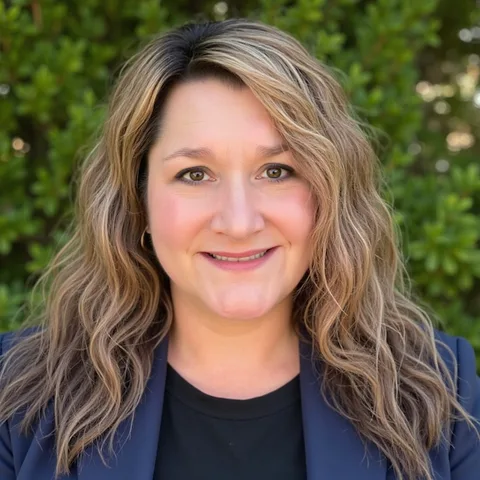
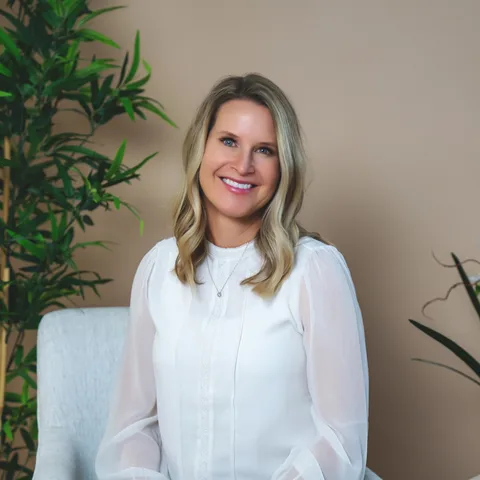
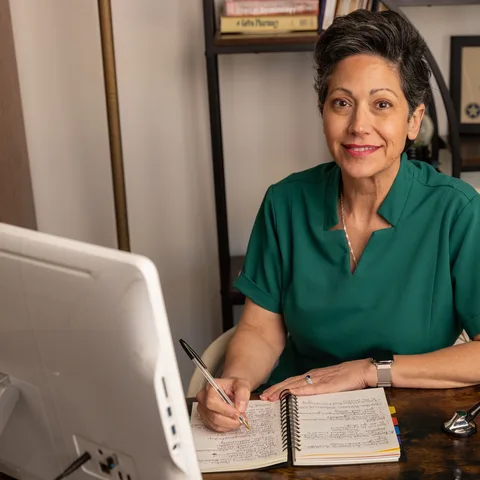
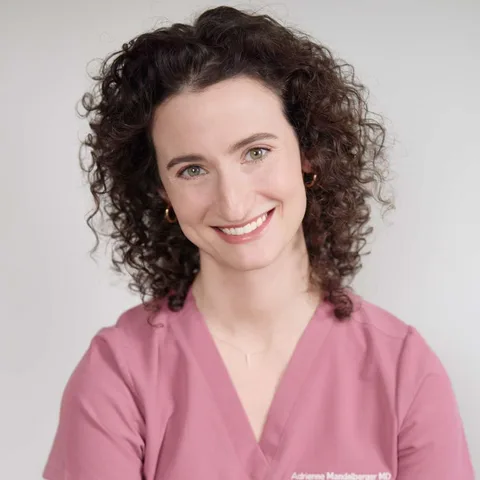
Live Well Collaborative is Nicole Pichette's solo integrative and lifestyle-medicine practice, seeing patients in Melrose, Downtown Crossing Boston and Lynnfield, plus telehealth anywhere in Massachusetts. Care runs through a three-phase model. Every new patient starts with an Illuminate Phase deep-dive assessment with labs ordered in advance, most then move into a three-month Elevate Phase program, and an optional Harmony Phase membership covers monthly or quarterly follow-ups with email check-ins between visits. She orders both conventional and functional labs and prescribes when clinically appropriate, but not stimulants or narcotics. Alongside clinical visits she runs The Healing Collective, offering reiki, yoga and nervous-system sessions.
Dr. Morales runs a video-only practice for women in Nevada and California, with a special focus on hormone care for breast and gynecologic cancer survivors. New patients book a one-hour hormone consultation online, and cancer survivors get a longer first visit. Every visit is with Dr. Morales herself, and prescriptions go to the pharmacy you choose. She prefers FDA-approved hormones and also prescribes compounded therapies for certain conditions. Consultations include a review of labs, mammograms and bone scans, and she helps arrange an in-person exam when one is needed. She grew up in Northern Nevada, raised a child as a teenage single mother, and served twelve years in the military.
She is a board-certified psychiatrist who focuses on the mental health side of perimenopause. That means anxiety, low mood, irritability, poor sleep and brain fog that arrive in midlife. Care is online only and starts with a free 15-minute call and a long intake, then follow-ups that blend medication and lifestyle work. Medication can include antidepressants, sleep support, non-hormonal options for hot flashes, and estrogen and progesterone when they fit. She says she aims for the least medication that gets a real result. She spent 12 years in the military, including as medical director of an inpatient mental health unit.
Dr. Fagan owns Four Mile Creek Health, a small direct primary care practice in Boulder where she is a family doctor to her members. Hormone therapy is handled inside that primary care relationship, alongside weight and metabolic health, rather than as a separate menopause program. Visits run 45 minutes, and members can reach her by text, phone or email and see her in person or remotely. Her interest in hormones goes back a long way, since her master's thesis was on bioidentical transdermal hormone therapy. Her panel is full, so new patients are booked onto her calendar and the first visit may be several months away. A free 15-minute meet and greet comes before joining.
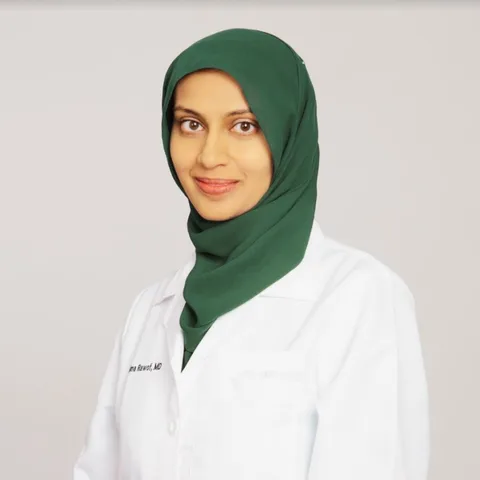
Dr. Rawof founded Sana Medical Care, a small practice of her own in the Lake Nona area of Orlando. She sees women for perimenopause and menopause alongside family medicine patients from age seven up, so a patient can keep her as her regular doctor. Menopause care starts with one physician consultation and then runs as a three month program, and the higher tiers add messaging access and quicker replies. Her stated approach is to work out what is driving the symptoms, so a plan can cover hormones, metabolism, sleep and mood at the same time. Virtual visits are available and Tuesdays are set aside for telemedicine. She trained in family medicine in Canada with extra emergency medicine training, has taught as faculty at several medical schools, and is also a certified life coach.
Takes Blue Cross Blue Shield, UnitedHealthcare +1 · first visit $225
Jody Buchanan runs a solo women's health clinic in Andover, Kansas, in space inside an Andover Family Chiropractic office. She sees women from their first period through post-menopause, and she also sees men for sexual and reproductive health. New patient visits are 60 minutes and follow-ups are 30, and after the first visit many menopause follow-ups can be done by video for patients in Kansas. For hormones she stays with FDA-approved bioidentical hormone therapy and walks through the risks and benefits for a woman's age and health history. When hormones are not a good fit she turns to non-hormone medication along with sleep, nutrition and stress changes. She calls her visits trauma-informed and keeps smaller modern speculums on hand for teens and anyone nervous about an exam.
Precision FemCare is Dr. Ginsberg's own practice and every visit happens over Zoom, so a patient needs to be in Texas, New York or Tennessee at the time of her appointment. Everyone starts with a Core Diagnostic consult covering blood work, symptoms and any outside labs, and she will not prescribe hormones on symptoms alone. She uses compounded bioidentical hormones and deliberately avoids patches and pellets, because a fixed dose cannot be adjusted as hormone levels move. Nothing is done in person, so you keep your own gynecologist for pap smears, mammograms and well-woman exams. Her own schedule is at capacity, so new patients join her waitlist or start with one of the practice's nurse practitioners. She is a black belt, an Ironman finisher and a repeat Boston Marathon qualifier, and she uses AI tools and a digital twin of herself to keep guidance going between visits.
Dr. Binno is an OB-GYN who is also board certified in obesity medicine. That means weight change in perimenopause is something she treats herself, including with GLP-1 medication when a patient qualifies. Most care is by video, with in-person visits one day a week in Carlsbad. First visits run up to an hour and start from the patient's history, symptoms and recent labs. She supports compounded hormones for reasons like an allergy, but says her experience with them is limited, and she does not prescribe pellets. She will see women who already have an OB-GYN, and she leaves exams and mammograms to their local doctors.
Takes Blue Cross Blue Shield, Cigna +8 · first visit $275
Toun Sogbein is a women's health nurse practitioner with Visana Health, a women's health practice that works entirely by video out of Minneapolis. She handles menopause and perimenopause along with the gynecological and sexual health problems that often sit alongside them, and she came to this work from public health clinics and a community health degree. First visits run 45 minutes, and patients stay with the same provider and can message the care team through the patient portal between visits. Visana's menopause care follows protocols written by Dr. Barbara Levy, and a patient can go the hormone route or a non-hormonal one after talking it through. Labs and imaging get ordered near home when they are needed, and optional health coaching covers food and exercise for anyone who wants that support. Many patients reach Visana through an employer or health plan, and the site has a start page where you look up yours.
Dr. Nazzaro left hospital obstetrics after burning out and now runs a small virtual practice for women in midlife. All visits happen over Zoom, and she sees patients in Florida, New Hampshire and Ohio. Hormone therapy here comes with conditions. She wants breast cancer screening imaging in your chart before she will start you on it, and anyone staying on hormones or on a GLP-1 past a first limited prescription has to keep an annual membership so the monitoring and lab review keep happening. Her care is openly Catholic and faith-informed, though she says you do not need to be Christian to sign up. She and her family keep a six acre hobby farm with alpacas, chickens and two guard dogs, and she writes about low toxin living alongside the medical posts.
Nova Francis-Wallace sees patients at a small direct primary care practice in Pensacola that she runs alongside a physician assistant. Hormone care is its own monthly program. You enroll, get labs drawn in the clinic or at Labcorp, then have a one-hour visit to go over results, examine you and talk through the risks and benefits of hormone therapy. Members can reach the practice by phone, text and email, and video visits are offered when getting to the office is hard. Before becoming a nurse practitioner she spent years as an emergency and intensive care nurse, and she led the first COVID testing clinic in the Florida panhandle. The practice starts with a free 15 minute phone call to see if it is a good fit.
Dr. Knight runs a solo membership practice in the Creekside area of The Woodlands, with separate monthly programs for menopause care, medical weight loss and primary care. She is board certified in internal medicine and obesity medicine on top of her menopause certification, and she treats hormone changes and weight together instead of sending patients elsewhere for the metabolic side. The first visit is a full hour covering history, symptoms and past labs, and it ends with a 3D body composition scan she uses as a baseline. She offers bioidentical hormone therapy and hormone testing for women who are candidates. Members can text or call her directly, and every visit is with her rather than another clinician. She sees adults only, and she asks patients to keep seeing their own gynecologist for gynecological exams.
Dr. Ayim has run her own solo practice in west Houston for more than fifteen years, doing gynecology and cosmetic surgery in the same office. For midlife women she treats perimenopause and menopause with hormone replacement therapy, vaginal estrogen cream, non-hormonal medicines such as SSRIs, and bioidentical hormone pellets as a certified BioTE provider. Hormone care can be paid for visit by visit or taken as a monthly membership, which runs on a twelve month commitment and covers pellet insertions plus one lab panel a year. She also performs laparoscopic gynecologic surgery, so a patient who needs a hysterectomy or fibroid removal can stay with her. Her own bio puts nutrition and fitness at the center of how she works, and the office keeps an interactive screen in every exam room for patients to use during a visit. New patient forms are posted online to print and bring to the first visit.
Integrative medicine · MD, MSCP, ABOM, ABAARM, ABR
Accepting new patients
Dallas, TX · In person & virtual
Self-pay · first visit $850
A New Me MD is Dr. Ravipati's own practice in Dallas, and she is the only clinician the site names. She sees women for menopause and hormone care using bioidentical hormone therapy, and she also treats men for andropause and runs a weight track built around custom GLP-1 protocols. The first visit runs ninety minutes and covers history, symptoms, labs and biomarkers, with body composition measured when the visit is in person. New patients join a waitlist because her availability is limited, and the same form is where you choose which service you want. She trained as a diagnostic radiologist and still reads imaging done at other institutions. The practice is not a primary care office, so patients keep their own doctor for routine exams and urgent problems.
Dr. Bryson runs a small virtual practice built around two things, menopause care and medical weight management. She is boarded in both family medicine and obesity medicine, so many of her midlife patients come in dealing with weight changes and hormone changes together. She sticks to FDA-approved hormone therapy and also prescribes non-hormonal options. Care starts with a free 15-minute meet and greet, then a long new-patient visit with a full health history and workup. Members move from monthly visits down to every three or six months once treatment is stable, and they can reach her directly by text, phone or email. She currently sees Arkansas residents only and cannot take patients on Medicare.
Elevate Health is a solo nurse practitioner practice in Parker for midlife women, opened after 25 years in women's health, family practice, endocrinology and obesity medicine. She sees women for perimenopause and menopause symptoms, and she also treats insulin resistance, prediabetes, PCOS and hypothyroidism. New patient visits run 60 to 90 minutes and cover symptom history, education on menopause physiology and a hormone therapy plan when one fits. Weight care starts with lifestyle changes and adds GLP-1 medication when appropriate. The practice does not do well woman exams or act as primary care, so patients keep routine screening with their own gynecologist or doctor. Visits are in person or by video for people living in Colorado, and a free intro phone call is offered before a first appointment.
Women's Hormonal Health & Wellness is a solo virtual practice for women in midlife, created by Margaret Goddard after a long personal search for answers about perimenopause. All visits are by video or audio, and the stated areas of focus are perimenopause, menopause, hormone replacement therapy, sexual health concerns and bone health. The first visit runs ninety minutes and follow-ups are usually booked about three months after a treatment plan starts. Patients are asked to arrive with their own blood pressure, weight and body measurements plus any recent labs or mammograms done elsewhere. Between visits patients can use HIPAA-secure messaging, and Goddard answers those messages personally rather than a chatbot. There are no monthly subscriptions, so patients pay only for the care they actually receive.
Dr. Mandelberger is a gynecologic surgeon who took up menopause care after realizing she had been telling patients their symptoms were just normal aging. Her practice runs mainly on a yearly membership with hour-long visits, same or next-day booking, and texting and email with her directly. Care starts with an hour-long intake consult, and non-members can also book single menopause visits. She offers hormone and non-hormone treatment and says she won't push supplements or compounded medications when tested standard options exist. New York residents who only want menopause help can buy a yearly video package, but they need to keep their own primary care doctor and gynecologist. She limits how many members she takes, and people are put on a waitlist when the practice is full.
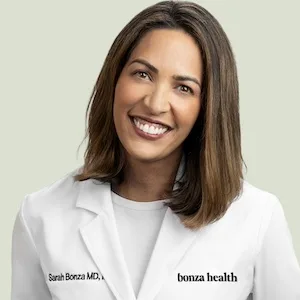
Dr. Bonza is a family physician who runs a small menopause and perimenopause practice in Upper Arlington, seeing women in person or by video. Care starts with a broad lab panel ordered before you meet, then a 50-minute visit to go through the results and build a plan. The one consultation fee covers a full year of follow-up, including text access to her through a patient portal, repeat labs and medication changes. She prescribes FDA-approved hormone therapy and also treats with testosterone, thyroid support and weight medication for women who qualify. She came to this work after her own symptoms in her 40s were brushed off by other doctors. She does not act as a primary care doctor, so you keep your own for everything else.
LIV Medical is a solo direct primary care practice built around women's health. Dr. Margjoni is a board-certified family physician who started the practice after her own frustration as a patient. Menopause and perimenopause care can be booked on its own, so you do not have to join as a primary care member first. The first visit is an hour and the follow-up is usually about three months later to review labs and adjust treatment. She uses estrogen, progesterone and testosterone when appropriate, alongside non-hormonal options, and she does not offer or recommend hormone pellets. Members can call, text or email her between visits.
Helia Health is a small menopause practice in Cornelius that Dr. Haddad founded, and she also sees patients across North Carolina by video. New patients start with a nurse visit and then a 60-minute consultation, and after that they can message the team between visits. She prescribes FDA-approved hormone therapy and non-hormonal options, but she does not use hormone pellets or injectable hormones. The practice takes on complex cases, including women with a history of breast or gynecologic cancer, BRCA carriers, early or surgical menopause, and conditions like POTS. It does not do annual gyn exams, so you keep your own gynecologist for breast and pelvic exams.
Obesity medicine · MD, Internist, DABOM, DABLM, MSCP
Accepting new patients
Frisco, TX · In person & virtual
Self-pay · first visit $400
Dr. Mittal runs a small membership practice in Frisco that treats menopause alongside weight and metabolic health. Obesity medicine is her main field and she is vice president of the Dallas Obesity Society, so midlife weight gain, blood sugar and heart risk get worked up as part of hormone care rather than sent elsewhere. A first menopause visit runs about an hour and covers symptoms, labs, body composition on an InBody scale and a written plan, and follow-up visits include texting access to her team in between. She prescribes FDA-approved hormone therapy in most forms, from patches and gels to vaginal estrogen, and will use compounded estrogen or progesterone when it fits, although her own FAQ tells patients the usual claims made for compounded hormones are unsupported. She also builds plans for women who cannot take hormones or would rather not. Any patient living in Texas can be seen by video, and she offers a free meet and greet before you commit.
Dr. Vityuk runs a small direct primary care practice in Walnut Creek that is built mainly for women in midlife, though she sees all adults. Members pay a monthly fee instead of per-visit bills and can message her directly. Menopause care is part of her everyday primary care, along with medical weight management and routine gynecologic care like Pap smears. She prefers FDA-approved hormones to compounded ones and says plainly that she doesn't offer pellets because they push hormone levels too high. She grew up in Ukraine and finished medical school there before training in family medicine in Chicago. Patients are told to keep their own insurance for specialists, imaging and hospital care.
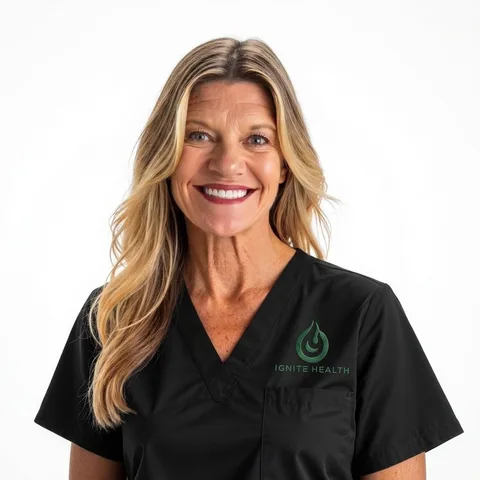
Ignite Health is a solo, telehealth-only practice run by Kiesha Katsares, a Menopause Society Certified Practitioner who also holds a Certificate of Advanced Education in Obesity Medicine. Every new patient starts at the same entry point, a twelve-week concierge program that evaluates hormones, metabolism, weight, sleep, mood, energy and sexual health. It includes secure messaging throughout and ends in a follow-up visit where the patient picks a continued-care track. Those tracks range from pay-as-you-go follow-ups to a membership that folds routine primary care in with hormone and metabolic management. She specifically takes women with complex histories, including a history of breast cancer, and will use non-hormonal options and coordinate with oncology when hormones are not appropriate.