100 practitioners have an office in Maryland, and 108 more can see patients here by telehealth. 131 of them are certified by the Menopause Society, and the most are in Bethesda, Rockville and Baltimore.
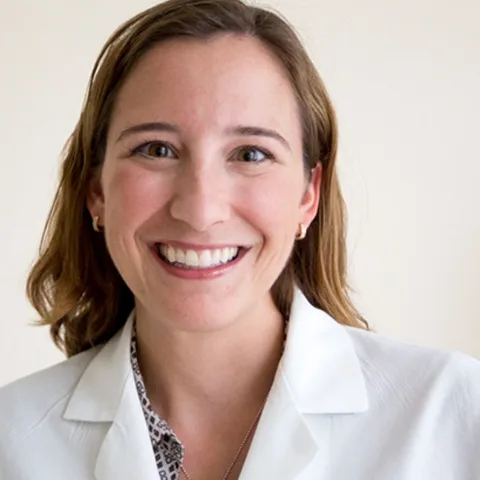
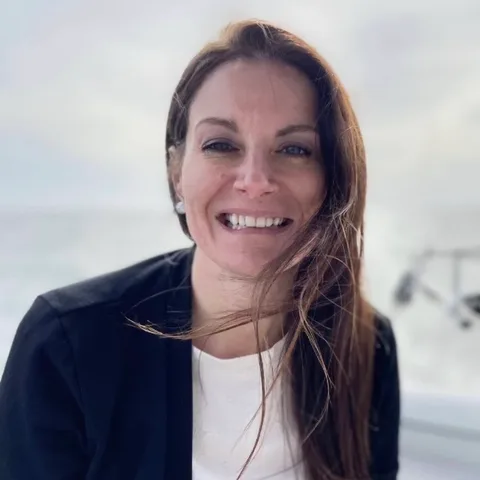
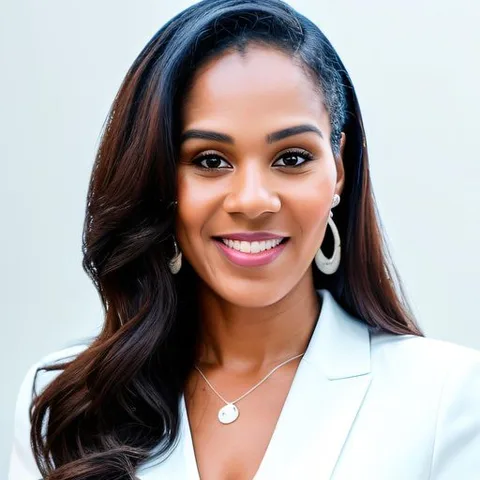
Online Benign Gyne is Dr. Todd's own telehealth practice, and every visit happens by video. She sees women for contraception, breast concerns, vaginal and vulva problems, menopause and facial skin care, and consultations and referrals are part of what she offers. Her site carries long plain-language explainers on hormone therapy, PCOS, urinary infections and breast exams. She is a New Orleans native and a military veteran who served during Operation Desert Storm and later at Walter Reed Medical Center. She says she especially enjoys caring for older women because she has faced the same changes herself. New patients can pick a video slot through the practice's own online scheduler.
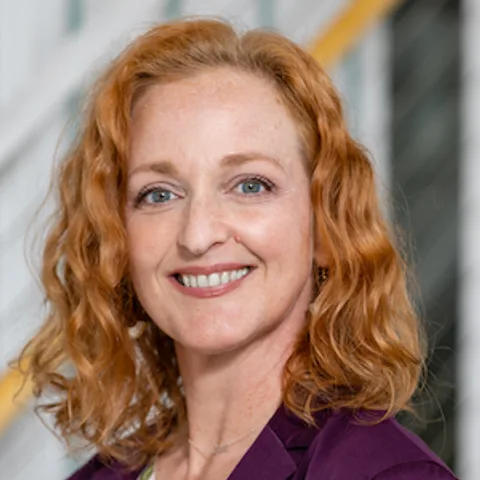
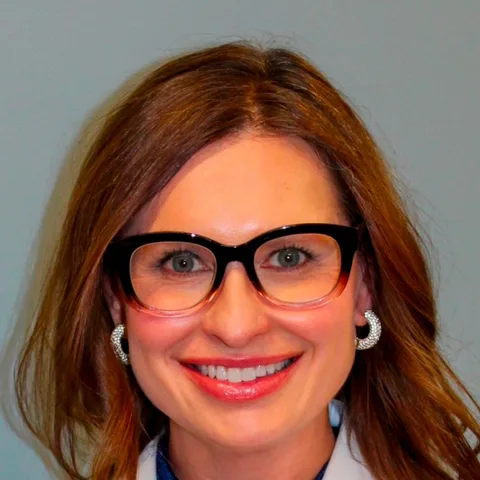
Dr. Dombo is a board-certified OB-GYN who is going through the menopausal transition herself. She says starting hormone therapy and changing her nutrition and supplements took her from exhaustion and poor sleep back to enjoying life, and that is why she does this work. She trained in the early 2000s, when hormone therapy was widely feared, and now calls it the gold standard for symptom relief. The first visit runs 60 minutes and covers medical and gynecologic history, medications, nutrition and exercise, then a personal treatment plan. The visit also lists a nutritionist assessment, an exercise plan and mindset coaching, and follow-ups run 25 minutes. She writes publicly about why menopause hits Black women harder and how often they face barriers to care.
Carrie Pagliano is a pelvic floor physical therapist, so this is hands-on and movement-based care and she does not prescribe. Her site lists the pelvic floor and bladder changes of perimenopause and menopause, including painful sex, among the things she treats. Visits are in person in Arlington or by video, and she says most plans of care run four to six visits. She uses external ultrasound imaging, fits pessaries, and says an internal exam is never required. Anything outside her scope she refers on to a network of medical providers she has built over 25 years in the DC area. She also teaches clinicians and runs courses and a podcast, but patients can book her directly.
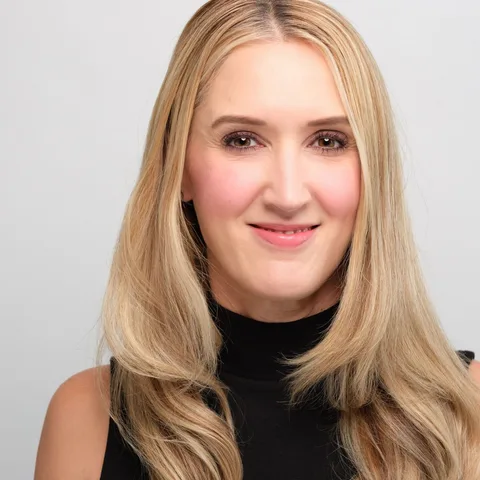
ANOVUL is a Pittsburgh practice where Kelley DeFilippis sees only women in perimenopause, menopause and the years after. Care starts with a free 15-minute call, then a 90-minute new patient visit, with hour-long follow-ups in the office or by video. She prescribes FDA-approved bioidentical hormones, usually estradiol through the skin with oral micronized progesterone, and her site explains why she does not use pellets. She came to this work through her own perimenopause symptoms after finding her training had barely covered it. Beyond symptom relief she watches heart, bone and metabolic health, and the practice works alongside a pelvic floor therapist.
Glow Health is a solo virtual practice run by Andrea Martin, DNP, CRNP, WHNP, MSCP, for women in Pennsylvania, New Jersey, Maryland and Delaware. Care begins with a lab review built around each patient's results, then continues as a six-month menopause program or an ongoing membership, with direct messaging between visits. She also treats pelvic pain and pelvic floor problems, runs a metabolic program for weight, and prescribes vaginal estradiol through a short online intake for women who need only that.
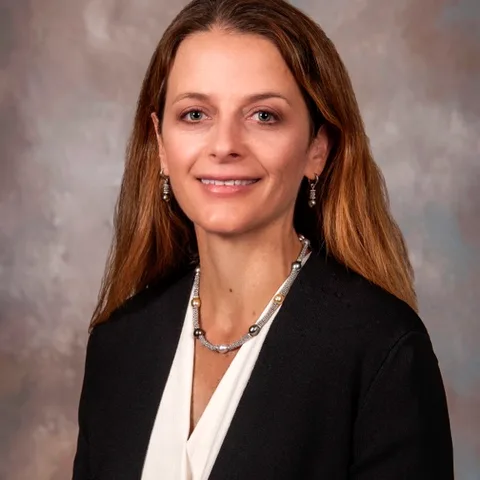
Winston is a board certified obstetrician gynaecologist at Boston Medical Center. She sees patients at two sites, the main Boston campus on Harrison Avenue and BMC Brighton. Her hospital listing places her in obstetrics and gynaecology along with labour, delivery and postpartum care, so her published work includes deliveries and not only office gynaecology. Boston Medical Center publishes nothing about menopause, perimenopause or hormone therapy for her, and her profile carries no specialties list at all, while a colleague at the same Harrison Avenue office does list menopause. Her menopause certification from The Menopause Society is current, but her employer's site gives no sign that she offers menopause care. She trained in obstetrics and gynaecology at Marshall University in West Virginia after earning her osteopathic degree in Tennessee.