192 practitioners have an office in North Carolina, and 60 more can see patients here by telehealth. 172 of them are certified by the Menopause Society, and the most are in Charlotte, Raleigh and Durham.
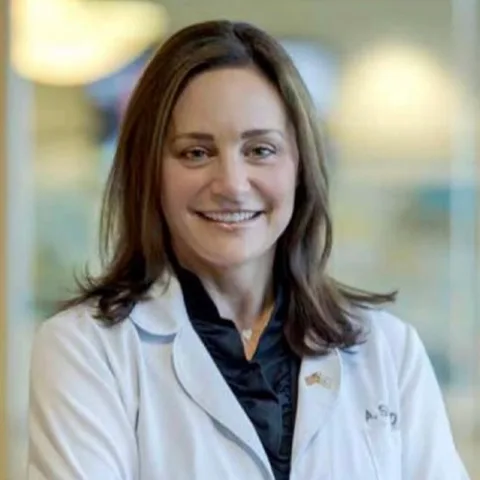
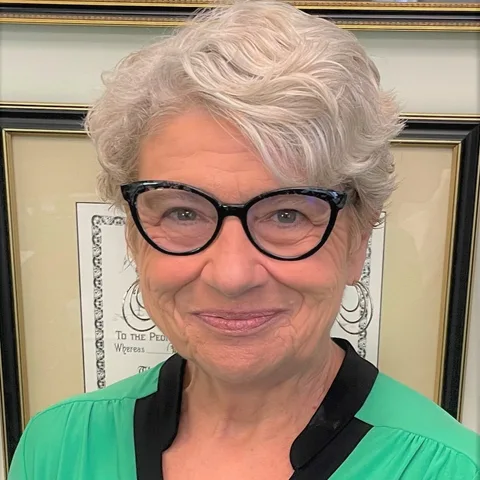
Dr. Adamchak runs a small direct primary care practice in Ellicottville, the town she grew up in. Menopausal hormone therapy is part of the membership along with the rest of her family medicine care. Members get same or next day visits in person or by video, long appointments, and can text, call or email her directly. She trained and practiced as an Army family physician, including time in Germany and a deployment to Afghanistan, and still serves in the Army Reserves. New enrollments are paused for now, with a contact list for openings in 2027. She can't take anyone on Medicare or eligible for it at this time.
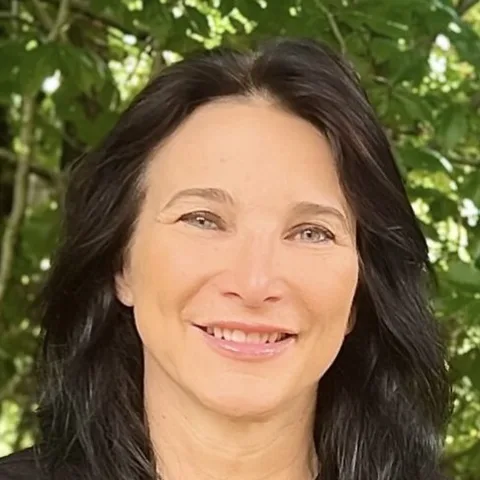
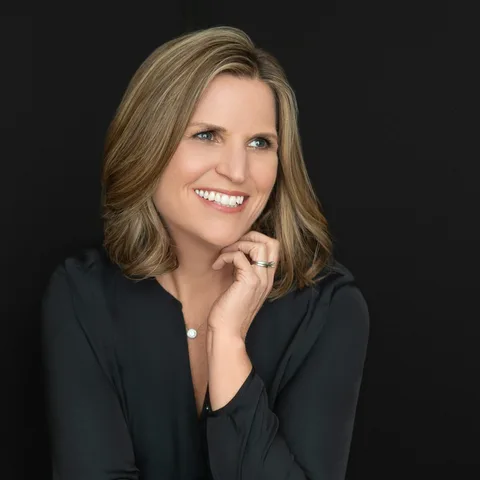
Gliss Wellness is a virtual-only OB/GYN practice Dr. Walsh co-founded with a second board-certified OB/GYN, and menopause care is its main focus. Care starts with a 30-minute video consultation about your symptoms, and if hormone therapy suits you, you leave with prescriptions for the first three months. A follow-up at three months keeps refills going for the rest of the year, and refills in between happen by message through the patient portal. There is no membership, and you fill prescriptions at your own pharmacy. The doctors can't examine you in person but can order labs and other tests. Dr. Walsh's own interests include pelvic pain, endometriosis, fibroids and weight loss, and a free 15-minute call lets you meet the team before booking.
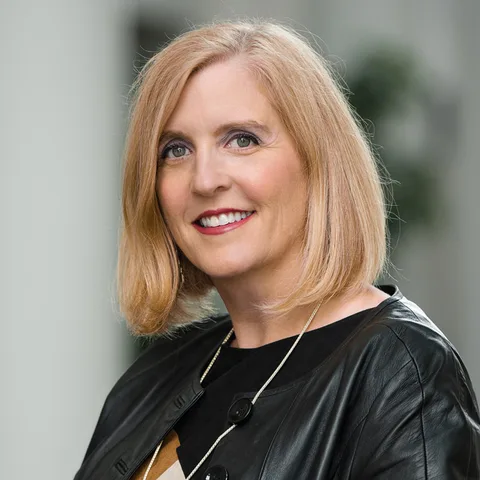
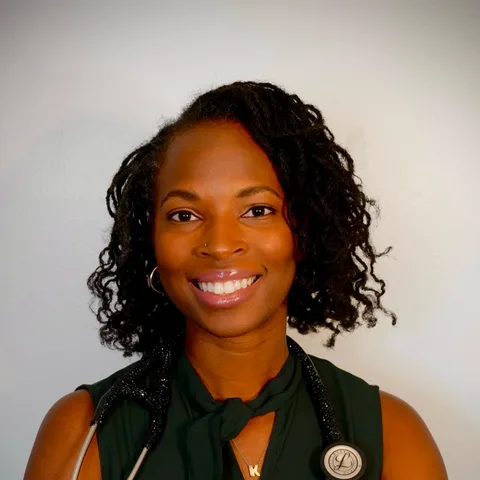
Dr. Gevas is an OB-GYN who is also board certified in obesity medicine, and she sees Gennev patients by video. Her bio says her focus is menopause and weight management, using lifestyle help alongside medical treatment. Gennev's weight programme starts with a dietitian visit and then a doctor visit, and its doctors can prescribe GLP-1 medicines where they fit. She holds a nursing master's degree as well as her medical training. Her page lists licences in North Carolina and Ohio. Away from work she does woodworking and gardening, and she cans her own food.
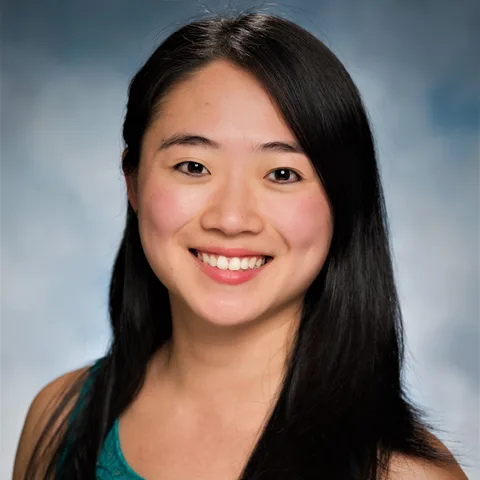
Gennev is an all-virtual menopause clinic owned by Unified Women's Healthcare, and care starts with a 30 minute video visit with a menopause-trained doctor. Dunsmoor-Su is Gennev's chief medical officer and she also carries her own patient list. The areas she names herself include premature ovarian insufficiency, breast cancer risk and survivorship, endometriosis, and weight management with medication. Her background is clinical epidemiology, and she still runs women's health drug trials as a medical director at a Seattle research centre and teaches OB-GYN residents. She says she treats each visit as a chance to explain the current evidence so the decision about treatment is a shared one. Doctors here prescribe FDA-approved hormone therapy when a patient is a candidate and non-hormonal medicines when she is not, and the clinic tells patients to steer clear of compounded weight drugs made outside FDA oversight.
Beyer is a Midi clinical leader and sits on the company advisory board, and she still sees patients by video. She trained in obstetrics and gynaecology, then dropped obstetrics to work on gynaecology and hormonal health only. Weight is her second focus and she holds a diplomate from the American Board of Obesity Medicine. She talks openly about gaining weight before her 50th birthday and losing 35 pounds over five months, and she uses that with patients who are struggling. Care runs through Midi only, so visits are by video and anything needing an exam or imaging goes to an outside clinician. Her page has no booking link of her own, so the Midi sign-up does not let a new patient choose her by name.
Raleigh Gynecology and Wellness is a gynecology-only practice that has cared for women in Raleigh since the 1980s. It does no obstetrics, and the practice says that lets it give full attention to the problems that get crowded out in busy OB/GYN offices. Dr. Kaminski joined in 2008 after her residency at UNC, and she likes seeing the same patients year after year, often their family and friends as well. For menopause the practice starts with changes to diet and exercise and other ways to improve quality of life, then adds hormone replacement or non-hormonal prescriptions when symptoms call for it. Every clinician on the team is a woman, and the office offers nitrous oxide to patients who find pelvic exams and procedures hard to sit through. Online scheduling is open to existing patients only, so a new patient has to call the office first.
Courtview Gynecology is a three clinician practice in Gastonia where Dr. Hartwell works alongside two women's health nurse practitioners, and every provider and staff member is female. The practice stopped delivering babies in 2012 and dropped primary care in 2021, so it is gynecology only now, caring for patients from adolescence through menopause and beyond. Its own services list names menopause management as symptom treatment and hormone therapy, and Dr. Hartwell's stated areas of expertise are preventive medicine, family planning, contraceptive options, menopause management and minor in-office procedures. Most testing happens in the building, with mammography, ultrasound, bone density scanning and lab draws often done on the same day as the visit. A team of certified medical assistants gives advice by phone and portal, and two coordinators handle referrals out. Appointments are arranged by phone or through an online request form that the practice answers rather than a live calendar.
Durham Women's Clinic is a long established obstetrics and gynecology practice with offices in Durham and at Brier Creek in Raleigh. Its gynecology care runs from adolescence through menopause, and the practice lists menopause care with hormone replacement therapy among its services. Physicians, midwives and a physician assistant all see gynecology patients, and the practice delivers babies and operates at Duke Regional Hospital. It was founded in 1941 by Dr. Eleanor Easley, the first woman to earn a four year medical degree from Duke, and it was the first practice in North Carolina to bring midwives in house. Carlson appears among the providers on the team page but has no photo or bio of her own, so the site says nothing about her own interests or how she approaches hormones.
Cary OB/GYN is a ten-clinician practice with offices in Cary and Morrisville that has served the Triangle since 1984. Dr. Wyckoff is one of two physicians the practice names as Menopause Society Certified Practitioners, and the practice invites patients to book menopause appointments with either of them. Every physician in the group prescribes hormone replacement therapy, and the practice describes oral, injectable, topical and vaginal estrogen options chosen after an evaluation and hormone lab work. The same wellness service line covers medically supervised weight loss with prescription medication and treatment for urinary incontinence. Dr. Wyckoff has spent more than twenty years in full scope obstetrics and gynecology and wrote a patient companion guide for people navigating their own care. Blood draws and pelvic ultrasound are done in the office the same day as a visit.
Connette McMahon is one of two physicians at Jones Center for Women's Health, a four-clinician obstetrics and gynecology practice in Fayetteville. The practice is owned by Dr. Michael Jones, who covers obstetrics and high-risk pregnancy, while McMahon handles gynecology for patients from teens to seniors. The practice's new patient registration form offers menopause and hormone therapy as a reason for a visit, and the homepage names hormonal imbalance treatment among its areas of expertise. McMahon carries an ABOG focused practice designation in minimally invasive gynecologic surgery, and the published procedure list runs from hysteroscopy and endometrial ablation to laparoscopy, myomectomy and hysterectomy. Care is described as starting with lifestyle changes and medical therapy before office procedures or surgery. The bio also notes several clinical drug trials run as principal investigator, some of which reached market.
Green Valley OBGYN is a Greensboro practice of eight board certified obstetrician gynecologists and has been open for more than seventy years. Dr. Clark's bio puts menopausal management alongside adolescent health and contraceptive care, and says she is available to help patients navigate perimenopause and beyond. She also keeps a full obstetric practice, including high and low risk pregnancies and women who want a vaginal birth after cesarean. The office runs its own surgical suite with anesthesiology, and screening mammograms, ultrasound and lab work are all done in house. The practice page on menopause lists the symptoms it treats and promises individualized management, but it names no medication, so what she prescribes is not published. New patients send an online request rather than booking a named physician.
Dr. Little is one of three OB/GYNs at Atrium Health's One Health OB/GYN office in Cornelius. She also sees patients at the group's Mooresville office, and both take new patients through online booking. The office handles general gynecology and obstetrics, and its own service list names menopausal care and hormone testing. Her stated focus is adolescent gynecology, infertility and obstetrics, and her bio says she loves helping women from pregnancy through menopause. Her father was an OB/GYN, and she says she never expected to follow him until she found the work in medical school. This is ordinary health-system gynecology rather than a dedicated menopause program, so care runs through Atrium's own scheduling and billing.