335 practitioners have an office in Texas, and 109 more can see patients here by telehealth. 283 of them are certified by the Menopause Society, and the most are in Houston, Austin and Dallas.
Taylored Wellness is Dr. Taylor's own practice and she is the only physician in it. Care starts with a long physician evaluation that pulls prior records, labs, family history and genetics into one picture, then sets an order for what to address first. She treats hormone change as one system among several, so the same plan may also take in metabolism, sleep, cardiovascular risk and cognition. Treatment can include prescription medication, hormone therapy, supplements, exercise prescription and intravenous or injectable therapies. She trained and boarded in emergency medicine before moving into integrative and functional medicine, and says the crises she treated there were never sudden. Two six-month precision health programs are described on the site but are still in development, so for now the way in is one private consultation.
Complete Midlife Wellness Center is a Houston practice founded in 2020 that sees only midlife women, across three offices and by video. Leah Love is one of its two physicians and is listed as the practice gynecologist, with eight nurse practitioners and two nurses making up the rest of the care team. Most of her career was in academic medicine, where she won awards for teaching, leadership and research, and she says she grew tired of putting a band-aid on illness that was preventable. She writes openly about food as medicine, including how she became anemic in college eating cheap processed food and fixed it by changing what she ate rather than by taking iron. Hormone care starts on one of two set routes, a shorter visit with a limited blood panel or a longer visit with a fuller panel and a follow-up visit built in. The practice names her for its unhurried 30 minute annual wellness exam, which it offers to existing patients only.
Dr Steininger, who goes by Dr Dani, runs a small menopause consult practice entirely by video for women who live in Texas or are in Texas at the time of the visit. She went into menopause at 35 as part of her own breast cancer treatment, and she says being a patient changed how she practices. First visits usually run an hour and follow-ups half an hour, and she talks through options from lifestyle changes to prescription hormones before adjusting doses over time. She works alongside your own gynecologist or primary care doctor rather than replacing them, and hands care back once treatment is steady. Women with irregular periods are asked to have a recent exam with their own gynecologist first. She also works with oncologists and invites women in cancer treatment to email her directly.
Gisele Thissen runs WISH on her own as a fully virtual practice, so every visit happens by video and there is no office to walk into. Every new patient starts with the same long one-on-one assessment, which runs about an hour and covers symptoms, history, medications and previous treatment before anything is decided. She prescribes hormone therapy and women's testosterone where it fits the history, and she treats thyroid problems, metabolic and weight concerns, and sexual health complaints alongside the menopause transition. After the assessment she recommends either a six month course of care called Reclaim or a twelve month concierge year, and neither is required. She spent over a decade as a bedside nurse in obstetrics before moving into private practice, and she sees patients in Spanish as well as English. When an exam, imaging or a specialist is needed she helps arrange it locally and brings the findings back into the plan.
Dr. DeSplinter runs a solo direct patient care practice for midlife women in Spring, north of Houston, and sees patients across Texas by video, phone and secure message. She left traditional practice after her own patients began waiting months for an appointment, and she now keeps a small panel on a monthly membership that covers visits, office procedures, pelvic ultrasound and many generic medications. Hormone therapy is estrogen, progesterone and testosterone, and she says she has other options for women who cannot take hormones or would rather not. She also runs a medical weight program that uses GLP-1 drugs alongside quarterly body composition scans. She still operates, so hysteroscopy, laparoscopy and hysterectomy are done by her rather than referred out. Patients can keep their own gynecologist or primary care doctor if they want, and she has a soft spot for public school teachers and for seeing mothers and daughters together.
Yinka Sokunbi is a certified nurse midwife who runs a small cash-pay women's health practice with offices in McKinney and Frisco. Most menopause care happens by video for Texas residents, with labs ordered to a nearby lab and prescriptions sent to your pharmacy. She prescribes FDA-approved hormone therapy and also compounded formulations, and plans ahead for bone health with referrals for bone density scans. New patients fill out intake questionnaires before the first visit, and the final fee is set after she reviews them. She started the practice after growing frustrated with how little time insurance-driven clinics allowed with patients. She trained in nursing and midwifery in the United Kingdom and now also teaches at Thomas Jefferson University.
Stephanie Martinez runs Prime Optimal Health, a small practice in the Belton and Temple area of Central Texas. She sees women by telehealth in Texas, Colorado, Montana and New Mexico, and offers some in-person care locally. New patients can start with a free discovery call, then a 45 to 60 minute midlife consultation. You can stop at an assessment and plan, or choose a short program or a 90-day program that starts hormone therapy and follows up as you adjust, and established patients can move to a monthly membership. She came to menopause care from urgent care, where she kept meeting tired, struggling patients who had been told their labs looked normal.
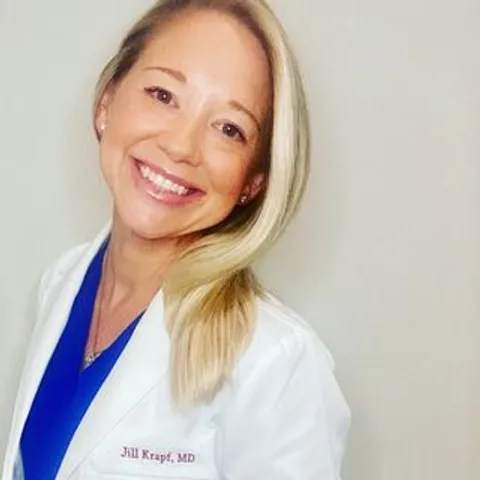
Dr. Krapf runs her own gynecology practice in South Tampa focused on vulvar and pelvic pain, vulvar skin conditions such as lichen sclerosus, recurrent vaginitis and menopause. She spent several years as an associate director at a Washington DC center devoted to vulvar pain before opening the Tampa office in 2023. Her site puts menopause alongside vulvar pain and skin conditions, so she is a natural fit for women whose menopause symptoms show up as painful sex or vulvar discomfort. She co-wrote the book When Sex Hurts and helps edit a medical textbook on female sexual pain. New patients start by emailing the office to request a consult, and her former DC patients can continue with her in Tampa.
Takes Aetna, Blue Cross Blue Shield +4 · first visit $150
MyMenopauseRx is a virtual menopause practice founded by a gynecologist, and Krantz is one of about a dozen clinicians a patient can pick from. Visits are video appointments of about thirty minutes, and most patients come back every eight to twelve weeks until their symptoms settle. She prescribes FDA-approved estradiol and progesterone rather than compounded hormones, and the practice is clear that it works alongside a patient's own primary care doctor rather than replacing it. Testosterone is written only for patients located in Illinois, and everyone else gets the prescription from their own doctor while the practice manages the dosing. Krantz has practiced for more than thirty years in university, HMO, community health and telehealth settings, and she completed the integrative medicine fellowship at the University of Arizona with training in medical acupuncture. She works from Oregon and says she has aged alongside her patients, which is how menopause care became her emphasis.
She is a board-certified psychiatrist who focuses on the mental health side of perimenopause. That means anxiety, low mood, irritability, poor sleep and brain fog that arrive in midlife. Care is online only and starts with a free 15-minute call and a long intake, then follow-ups that blend medication and lifestyle work. Medication can include antidepressants, sleep support, non-hormonal options for hot flashes, and estrogen and progesterone when they fit. She says she aims for the least medication that gets a real result. She spent 12 years in the military, including as medical director of an inpatient mental health unit.
Takes Blue Cross Blue Shield, Cigna +8 · first visit $275
Toun Sogbein is a women's health nurse practitioner with Visana Health, a women's health practice that works entirely by video out of Minneapolis. She handles menopause and perimenopause along with the gynecological and sexual health problems that often sit alongside them, and she came to this work from public health clinics and a community health degree. First visits run 45 minutes, and patients stay with the same provider and can message the care team through the patient portal between visits. Visana's menopause care follows protocols written by Dr. Barbara Levy, and a patient can go the hormone route or a non-hormonal one after talking it through. Labs and imaging get ordered near home when they are needed, and optional health coaching covers food and exercise for anyone who wants that support. Many patients reach Visana through an employer or health plan, and the site has a start page where you look up yours.
Aspire is a small concierge women's health practice in downtown Northfield that Lillian Medhus founded, with video visits for women in Minnesota, Texas, Oklahoma and Kansas. It works alongside your primary care provider rather than replacing it, and it does no pregnancy care. Care starts with a 90-minute first visit, then a six-month program of hour-long visits, labs, coaching and messaging before you move to an ongoing membership. Menopause care centers on individual hormone therapy decisions, and members join an HRT club when they need it. Medhus also focuses on endometriosis, PCOS, pelvic pain and sexual health, and says her own health struggles led her to build the practice. If you are unsure, you can request a 20-minute call with one of the nurses first.
Kelly Ellis runs Revive Women's Health on her own in Granville, Ohio, and sees women either in the office or by video. She spent more than 20 years in women's health as a certified nurse midwife and women's health nurse practitioner, and she says that midwifery background is what she brings to hormone therapy. A first visit is a full hour, which she sets against the rushed 10 or 15 minute appointment, and follow-ups are half that. Depending on what you need, a plan can include menopause hormone therapy, nonhormonal medication, vaginal estrogen, testosterone when appropriate, sexual health treatment, and sleep and lifestyle changes. She is direct that hormones are not right for everyone and not the only thing she can offer. Patients book their own appointments through her online portal, and there is a free 15 minute call first for anyone unsure where to start.
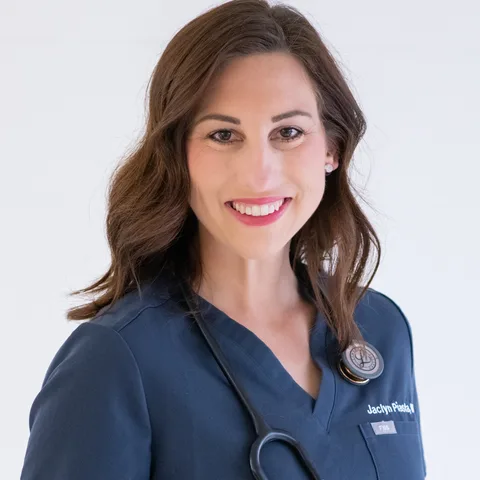
Jackie Piasta runs a small solo membership practice in East Cobb focused on hormones, perimenopause and menopause, and midlife metabolic health. New patients start with a nurse-led pre-visit to line up labs and then an hour-long consultation with her, and ongoing care after that requires joining the membership. Members message the team through a portal and a text line, and follow-ups run 30 to 40 minutes in person or by video. She prescribes estrogen, progesterone and testosterone but does not offer hormone pellets. She is also an obesity medicine specialist who prescribes GLP-1 weight medications and treats thyroid, bladder and bone problems. New patient appointments are booking two to three months out, and she teaches menopause care to nurse practitioner students at Vanderbilt.
Bold Wellness is Torrie Clontz's own virtual practice for women in midlife, run from Las Vegas and open to patients in about fifteen states. Care starts with a two visit intake that includes a wide blood panel drawn at a lab near you and a follow up to go through the results and set a plan. After that most patients stay on a monthly membership that covers prescription changes and messaging with her through the patient portal. Alongside hormone therapy she runs a weight and metabolic program using GLP-1 medication, and she adds functional tests such as gut, cortisol and vaginal microbiome panels when they fit. She is clear that she is not a primary care provider or an OB-GYN, so patients need to keep their own and see her for the hormone and midlife side. Her own hypermobile Ehlers-Danlos diagnosis, which came after a circus career ended in injury, is why she started the practice and she treats that alongside hormones.
Dr. Allison runs a small telemedicine practice for women in perimenopause and menopause. She spent 14 years as an emergency physician before moving into midlife women's care. She prescribes FDA approved hormone therapy and testosterone, and offers non-hormonal medicines for women who can't or won't take hormones. New patients fill out long history forms first, then have a 75 minute first visit and a short check-in two weeks later. She also covers bone health, breast cancer risk and prevention planning. She does not replace your primary care doctor or gynecologist, and she expects you to keep them.
Diana Kumar is a board certified OB-GYN who co-founded Gliss Wellness, a virtual practice built around perimenopause and menopause. All care happens by video and secure messaging, so there is no office to visit. A menopause visit runs about 30 minutes and ends with a plan and prescriptions for an initial three month period, followed by a check-in visit before refills continue for the rest of the year. She prescribes hormone therapy when it fits, can order labs and scans, and sends prescriptions to the patient's own pharmacy. She also sees women for weight counseling and for urgent gynecology problems handled through a short written form. Her stated areas of interest are PCOS, sexual dysfunction, bone health and longevity medicine.
Takes Aetna, Blue Cross Blue Shield +15 · from $17/mo
Kayla Barry is a family nurse practitioner at One Medical's Addison Prestonwood Place office in north Dallas, a two-provider primary care office. She moved from New England to Dallas in April 2024, and her own bio lists women's health, mental health, gender-affirming care and obesity medicine among her clinical interests and says she is a certified menopause provider. Menopause is handled as a primary care visit here, and One Medical's booking system offers menopause visit reasons including a menopause health check and a menopause follow up. Care runs on a One Medical membership, with in-app messaging and on-demand video included and scheduled office or video visits billed to insurance. Her page has no booking link of her own, so the One Medical sign-up does not let a new patient choose her by name. Nothing on the site says what menopause treatments its providers prescribe, so there is no published detail on hormone therapy for her.
Takes Aetna, Blue Cross Blue Shield +15 · from $17/mo
Lindsay Botsford is a family physician at One Medical's BLVD Place office in Houston, which is a general primary care practice and not a menopause clinic. Her own page on the One Medical site says she is a Menopause Society Certified Practitioner, and most of her Houston colleagues' pages carry no such line. The office page says you can book online without a membership and that visits are billed to you or your insurance. She is also a regional medical director for One Medical across Texas and the Midwest, and she still keeps her own panel of continuity patients. Her page has no booking link of her own, so the One Medical sign-up does not let a new patient choose her by name. Nothing on the site says what One Medical prescribes for menopause.
Dr. Pellicena runs her own solo OB-GYN office in the Houston Heights and has been in the area since 2010. She still practices obstetrics, including high-risk pregnancies, so midlife care sits inside a full gynecology practice rather than a standalone hormone clinic. Her menopause page is written in her own voice and puts the emphasis on hormonal assessment and bioidentical hormone replacement across more than one route of administration. The practice is a certified BioTE provider, so the hormone route it actually describes is compounded pellets placed under the skin and replaced every four to six months. She also offers the BioTE nutraceutical line and will build a supplement plan alongside the hormone therapy. She grew up in Madrid and sees patients in Spanish as well as English.
Dena Norton is a registered dietitian whose practice is built around women in perimenopause and menopause. Care runs as 12 week one to one programs with four sessions, a weekly check in form and text access to her in between, plus meal plans and workout calendars. She does not prescribe, so hormone therapy shows up as education in her video lessons and guest interviews, and she coordinates with the doctor a client already sees. She can order a Quest blood panel through Fullscript and sit down with a client to go through the results, and hormone markers can be added to that panel. She came to this work through her own perimenopause, which she writes about openly, including the research she went down a rabbit hole on and her own later use of hormone therapy. Every new client starts with a free ten minute discovery call before buying anything.
Nefertari McClarity is a family nurse practitioner who runs a small virtual clinic for women in perimenopause and menopause. All visits are by video. Care starts with a long first visit and labs, then a second visit to go over results and set a plan. She prescribes hormone therapy including testosterone, offers non-hormonal options and GLP-1 medication for weight, and puts a lot of weight on gut health, with stool and SIBO testing available.
Dr. Moyers runs her own concierge gynecology practice in Fort Worth, built around perimenopause, menopause and sexual health. Most patients join a yearly membership that covers an annual physical plus eight more visits and direct access to her by phone and email, and pay-per-visit appointments are also available for those not ready to commit. She prescribes estrogen and progesterone in several forms and offers testosterone for low desire, along with in-office treatments like MonaLisa Touch laser and pelvic floor Botox. Sexual health is half of her focus and she also does osteopathic manipulation, so painful sex and pelvic pain get real attention here. Follow-ups can be done by video for patients in Texas and West Virginia, but exams and procedures happen at the Fort Worth office. The practice suggests women over 50 keep a separate primary care doctor.
She is a family nurse practitioner at UT Health San Antonio and works out of the Gateway clinic on Wurzbach Road. Her profile places her in two departments there, Endocrinology and Diabetes, Obesity and Metabolic Health. The diabetes team is led by an endocrinologist who works with nurse practitioners alongside the physicians. UT Health publishes no biography, no clinical interests and no conditions list for her, which is how the site treats its advanced practice providers generally. The other nurse practitioner in her department has the same blank profile, while every physician there carries a department list of interests that is word for word identical on each of their pages. Her page does say she is taking new patients, and established patients reach her through the health system's patient portal.