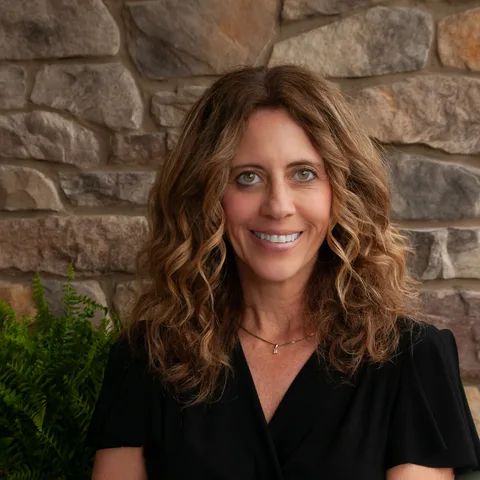
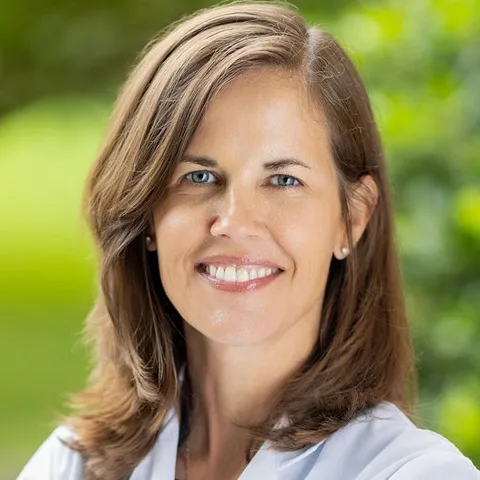
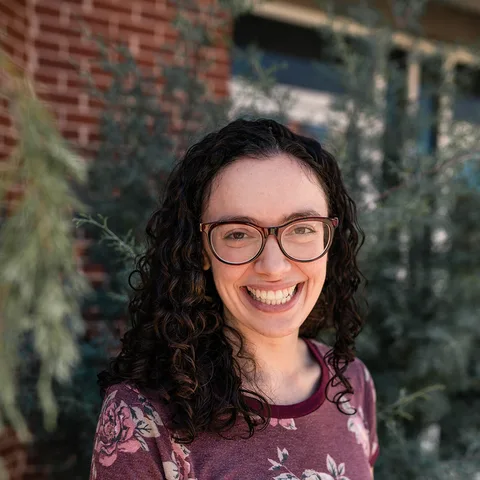
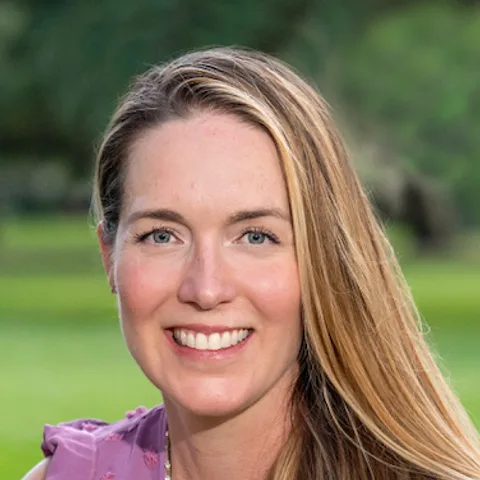
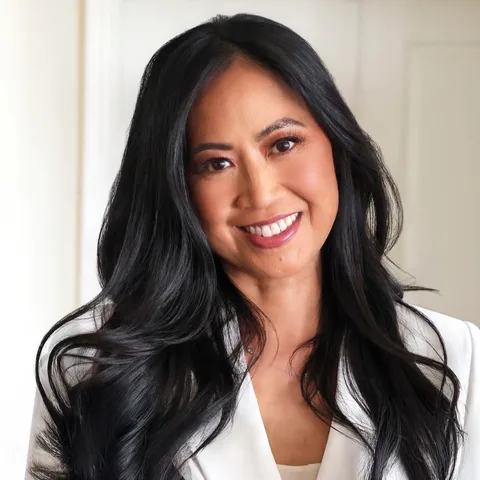
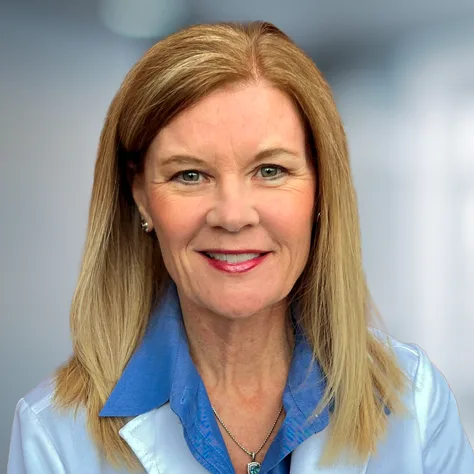
Dr. Scott is an OB-GYN who runs this Fort Wayne practice, which combines gynecology with a med spa. She went into menopause care because she felt it has long been undertreated. Hormone therapy starts with a consultation and lab work, and the options are estrogen and progesterone as pills, patches, creams or vaginal inserts. She is also certified in obesity medicine and runs a physician-led weight program with GLP-1 medication. Gynecology visits can't be booked online, so new patients call the office or use the new-patient contact form. The office also offers EMSELLA for bladder leakage.
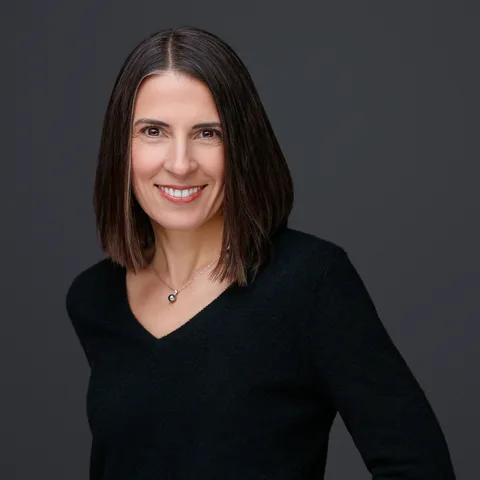
Dr. Theo is a family medicine and obesity medicine physician who started Athena Midlife Medicine as a separate practice for perimenopause and menopause care. New patients begin with a short virtual meet and greet, then a 90-day phase to set up and adjust treatment, then an ongoing membership. She prefers FDA-approved hormone therapy, including bioidentical options, and also offers non-hormonal treatment and sexual and vaginal health care. Patients can message her directly through a secure patient portal.
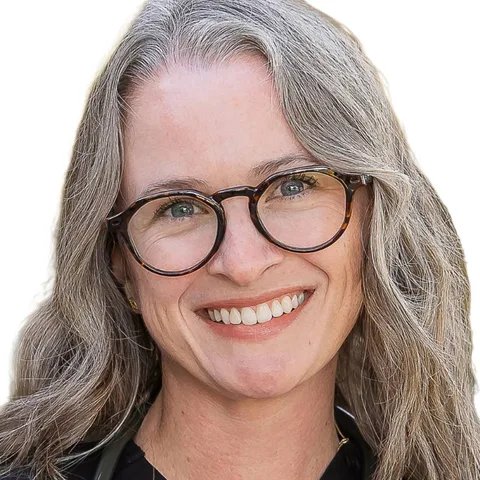
Gina Woods is an endocrinologist at UC San Diego Health and directs the system's osteoporosis program. UC San Diego Health lists her among the specialists in its menopause health program, where her named role is bone health. Her own provider page names that program next to osteoporosis and metabolic bone disease. Bone is the center of her practice, so the midlife patient she sees most is one worried about fracture risk or a falling bone density score. She works out of the Perlman Medical Offices in La Jolla, and care runs the way it does at any large academic system, with new patients registering before a first visit and messages and records going through the patient portal. She teaches as well, as associate program director of the endocrinology fellowship and medical director of UC San Diego's bone densitometry course for other clinicians.
Emily Hicks is a family nurse practitioner at a small concierge primary care practice in Rollingwood, just outside Austin. She has been a nurse for over 17 years and says perimenopause and menopause are her main focus. The practice keeps its patient list to a few hundred people, so visits run long and members can reach the team directly after hours. Hormone options on offer include estrogen patches, vaginal estrogen, micronized progesterone and topical testosterone, and the practice also does bone health checks and breast cancer risk screening. New patients start with a free consultation, which can be in person or by video. Members keep their regular insurance or Medicare, which still covers visits and tests.
Dr. Lynd runs a virtual-only integrative menopause practice for women living in Wisconsin. Care starts with a free 15-minute phone call, then a 6-month program where she builds a written plan covering symptoms, chronic disease prevention and longevity. Hormones and other prescriptions are part of the plan when they fit, alongside supplements and specialty testing of hormones, gut health and genetics. She also teaches patients to cook with herbs and spices for metabolic health, and even to grow their own. Visits happen by video, phone and a secure portal, and prescription refills need a video check-in twice a year.
Women's Care is Lane County's oldest independent women's health group, formed in 1988 when three Eugene practices joined together, and Dr. Grogman sees patients at its Chase Gardens office in Eugene. The group's gynecology page answers the menopause question outright and says it provides hormone therapy and lifestyle guidance for hot flashes, mood changes and other menopause concerns. Her own listed interests are minimally invasive and robotic gynecologic surgery, routine and high-risk pregnancy, and midlife care, and she is one of three providers on a roster of forty-seven whose page names the Menopause Society certification. The practice keeps most procedures in its own offices rather than sending patients out to surgical centers. It also publishes a standing notice about the estrogen patch shortage, telling patients how to hunt down a substitute and asking them not to change a dose on their own.
Kristen Loose is the menopause specialist at Dr. Gina Mantor's medical spa and weight clinic in Westerville, where the rest of the practice focuses on aesthetics and weight loss. She treats perimenopause and menopause with standard hormone therapy, and offers non-hormonal prescriptions and lifestyle advice to women who can't or would rather not take hormones. The first consultation is free and happens by video. After that she sees patients in the office on Wednesdays and Saturdays or by appointment. She follows Menopause Society guidance closely and writes on the clinic's site that soy and black cohosh don't hold up for hot flashes.
Dr. Ojo-Carons founded Climax Aesthetic Surgery, a sexual health and cosmetic gynecology practice with offices in Virginia Beach, Columbia in Maryland, and New York. She is a gynecologist who also trained in cosmetic gynecologic surgery, so much of the practice centers on sexual function, urinary leakage and vaginal dryness alongside hormone therapy. Hormone care starts with a symptom review and lab testing, and she prescribes bioidentical hormones, estrogen, progesterone, testosterone and pellets. Pellet therapy is sold as a yearlong membership that covers the insertions and lab work. New patients usually begin with a discovery call, and virtual consultations can be booked online. The practice treats men as well as women and also offers injectables and other aesthetic work.
Mirar is a medical aesthetics studio that also runs a hormone and wellness side, led by Dr. Landa-Colon. She worked as a general pediatrician for over ten years before moving into aesthetics, and her site says so plainly. Hormone care starts with a free discovery call, then a 90-minute assessment with labs drawn at Quest and explained in detail. The treatment plan can include hormone replacement therapy when she thinks it is appropriate, along with lifestyle guidance and supplements. The same office runs a physician-supervised weight program that uses GLP-1 medications, and it also offers Botox, fillers and laser work, so it is not a menopause-only practice. Care is bilingual in English and Spanish.
Danielle Pendergrass runs a small women's health clinic in Price, in the county where she grew up. Her services list includes hormonal consults, menopause management, hormone replacement therapy, and osteoporosis screening and management. The clinic also treats urinary incontinence and has a bladder program. It does general primary care as well and sees men too. The practice says it turns no one away for inability to pay and offers discounts based on income. There is an in-house mental health therapist, and new patients fill out intake forms through the patient portal.
Stephanie Traver is a women's health nurse practitioner who founded Vital Menopause after years in a hospital-based clinic, and she sees women in downtown Erie and by video anywhere in Colorado. Care runs in four-month packages that pair hormone therapy with lab work every eight to twelve weeks, body composition scanning and direct messaging access to her between visits. She prescribes FDA-approved, body-identical hormones, and her most complete package adds GLP-1 medication with ongoing medical management. Every package also includes a supplement and lifestyle plan that is updated as treatment changes. A wellness coach on staff runs the strength training, nutrition and recovery sessions, and a separate aesthetics team runs the practice's skin arm. New patients can start with a free fifteen-minute discovery call before committing to a package.
Jeanette Nguyen runs a small solo women's health clinic in Lihue. Her site calls her the first and only certified menopause provider on Kauai. Menopause care sits alongside annual exams, contraception, preconception and postpartum care, and she has a particular interest in sexual health. She offers menopause hormone therapy as well as non-hormonal options. Visits are in person at the Rice Street office or by telehealth, and new patients can book online.
Tiffani Hughson is a certified nurse midwife at Maiden Lane Medical, a large multi-specialty practice in lower Manhattan. Her practice profile lists her as a telemedicine provider, so visits with her are virtual for patients in New York. She trained in full-scope obstetrics and gynecology and now focuses on perimenopause, menopause and women's sexual health. She manages hormone therapy alongside routine gynecologic care. The practice offers oral and transdermal hormone therapy, vaginal estrogen and DHEA, and non-hormonal medicines. Visits are booked online through the practice's 24/7 telemedicine scheduler.
Michelle Dahle runs a small solo menopause practice in Palos Verdes Estates and also sees patients by video. Care starts with a consultation covering history, lifestyle and symptoms, then a follow-up three to six weeks later to adjust treatment, then a yearly check-in that looks at bone and heart health. She prescribes estrogen and progesterone in several forms, low-dose testosterone for low libido, and non-hormonal medicines for women who can't or don't want to use hormones. Her site argues that age alone shouldn't rule out hormone therapy after 60. She also offers an estriol face cream for midlife skin changes. Her background before nursing was a psychology degree, and she says that shapes how she thinks about mood and menopause.
Terrilee Jackel founded this small Ankeny practice, which combines primary care with hormone therapy for women and men, and she can also be your regular primary care provider. New patients start with a discovery visit, a group appointment where the team takes your history and draws labs, followed by an optional talk about women's health and hormones. A longer one-on-one visit follows to go over your results and leave with a treatment plan and prescriptions. Insurance covers basic visits, but hormone therapy requires the practice's paid membership. She has prescribed hormone therapy since 2017 and uses plant-derived bioidentical hormones. Follow-ups can be done by video for patients in Iowa.
Takes 1199, Personify plans for Northwell employees
Dr. Buruiana has run her own solo practice in a midtown Manhattan medical building since 2001. She is board certified in both internal medicine and obstetrics and gynecology, and she uses that primary care training to look at a patient's whole health rather than one complaint. Her stated approach to menopause is to treat it as a moment to prevent later disease, so prevention of bone loss and heart disease sits alongside symptom care. The office is an accredited advanced sonography center and runs its own gynecologic ultrasound, saline infusion sonography and office hysteroscopy on site. New patients complete a long health questionnaire before the first visit and are asked to allow two hours for it. Her site describes her menopause care at length but never names a hormone or any other medicine she prescribes.
Dr. Bewtra is one of three gynecologists at Comprehensive Women's Care in Englewood, a practice that began in the 1970s and is now part of a much larger regional network. She sees women at every stage of life, and menopause sits alongside contraception, pregnancy care, cervical health and preventive medicine in what she does. Menopause care here is part of general gynecology rather than a separate hormone program, and the network says the options range from hormone replacement therapy to natural remedies and counseling. The office has run its own bone density testing since 2002 to catch osteoporosis and gauge fracture risk, which matters if bone loss is your main menopause concern. She also operates, including minimally invasive and in-office surgery, so endometriosis and PCOS are handled in the same place. A new patient can pick a first-visit slot through the network's online booking tool or leave contact details and get a scheduling call back.
Angela is a women's health nurse practitioner with about twenty years in the field. Much of that time was in community care, including federally qualified health centers, family planning clinics and helping to start an OB care center for underserved women. She sees patients at the Nipomo health center of Community Health Centers of the Central Coast, a federally funded center that serves people whatever their ability to pay. Her listed services cover perimenopause and menopause alongside contraception, gynecologic procedures such as IUD placement and biopsies, and weight loss. New patients register through the center's navigation line and can then book by text, phone or the patient portal. Her bio says she wants women to feel respected and heard at their visits.
Ackerly McBride Group is a small concierge primary care practice in northwest Washington, with five physicians and two physician assistants. Each provider offers an annual membership that covers the yearly physical, the lab work that goes with it and a wellness visit, and each one keeps a limited panel. Dr. Hart is a family physician who sees adolescents and adults, and she also teaches at Georgetown, where she is a professor of family medicine and runs the primary care leadership track. The practice says she became a Menopause Society Certified Practitioner after she joined, and it lists her expertise as evidence-based primary care, family medicine and women's health. It does not name menopause or hormone treatment for her anywhere on the site, and the only provider whose expertise line reads menopause and perimenopause is her partner Dr. Lucy McBride. New patients start with the practice's inquiry form, and her own panel has been on hold while her schedule is set.
Rachel Picher is a certified nurse midwife at Harris Women's Care, a hospital-affiliated women's health group with offices in Sylva and Franklin. The group lists menopausal care, premenopausal symptoms and hormone replacement among its services. She also delivers babies and does routine gynecology, so menopause is one part of a broad practice. Her profile shows open appointment slots that new patients can book online. Visits are billed to insurance, and the group has a sliding fee discount for people who qualify by income.
matriARC is Emery Ayers-Greenidge's solo telehealth practice in Baltimore, and she sees women anywhere in Maryland by video. She is a licensed psychologist, so the work is talk therapy rather than medication or hormone prescribing. Her focus is the whole reproductive lifespan, from fertility and pregnancy through pregnancy loss, motherhood, perimenopause and menopause. She is certified in perinatal mental health and also uses clinical hypnosis in her work. New clients start with a free 30 minute phone call to see whether it is a fit, and sessions run just under an hour, usually weekly at first. Her own site states plainly that it does not give medical advice and tells readers to see a physician for anything clinical.
Ann Boss sees women in perimenopause and menopause at an office in Torrance and by video. Care comes as three yearly programs that differ mainly in how often you see her, from four visits a year with ongoing messaging to two visits with limited messaging. She prescribes hormone therapy and testosterone, and she also manages GLP-1 medication for weight. She specifically helps women move off hormone pellets onto FDA-approved hormone therapy. Her video visits run through the Heather Hirsch Collaborative, and she teaches seasonal Menopause 101 classes through Torrance Memorial. New patients start with the booking form on her site, and a scheduler follows up.
Mia Elder is a certified nutritionist whose practice works only with women in perimenopause, menopause and postmenopause, including women with premature ovarian insufficiency, surgical menopause, and women who are on hormone therapy or cannot take it. She prescribes nothing and does not manage hormone therapy, so the care here is nutrition counseling alongside whatever a woman's own prescriber is doing. Care runs either as a single ninety minute midlife check-up or as a six session program that opens with a full intake and then meets every few weeks, with message access and research done between sessions. She was diagnosed with premature ovarian insufficiency at 39 after five years of being told nothing was wrong, and she built the practice around what she wishes she had been given. She spent seven years in metabolic health at Dexcom and reads continuous glucose monitor data, and she says plainly that she will not hand anyone a list of forbidden foods. California patients need a physician referral before she can see them.
Michelle Evans is one of two clinicians at the Endocrine and Diabetes Center, a small endocrinology and diabetes practice in Vienna. Most of her work is diabetes and obesity care, and she holds an advanced diabetes management certification alongside her menopause one. The practice's hormone therapy page takes a strong pro-estrogen position and argues that the breast cancer risk has been overstated. It says breast cancer survivors can take hormone therapy under a doctor's supervision, and it rejects the old advice to use the lowest dose for the shortest time. For low sexual desire after menopause it uses a small daily dose of an FDA-approved testosterone gel made for men, and it states plainly that it does not recommend compounded testosterone. New patients book by phone and bring in a completed registration packet and a menopause health questionnaire they download from the site.