519 practitioners have an office in California, and 126 more can see patients here by telehealth. 386 of them are certified by the Menopause Society, and the most are in San Francisco, Newport Beach and San Diego.
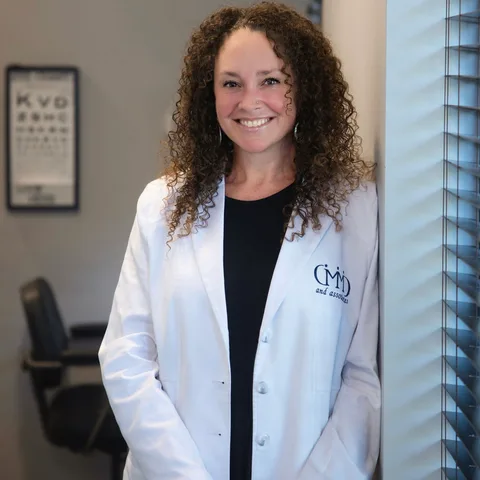
Dr. Fandel runs a small naturopathic office in Pacifica focused on women in perimenopause and menopause. Care starts with a long new patient visit and blood work, and follow ups can be in the office or over Zoom. She prescribes bioidentical estrogen, progesterone and testosterone and sees patients often early on to adjust the dose. Her plans usually pair hormones with herbs, supplements and diet changes, and she also treats thyroid problems and prescribes weight loss medication. A large part of the practice is aesthetics, including PRP, microneedling and hair restoration. You can book a free 15 minute phone call before committing to a visit.
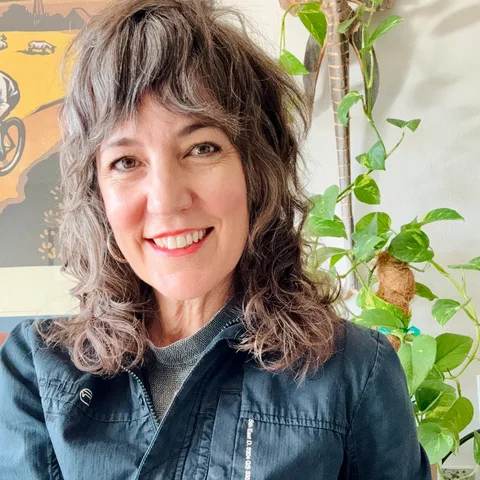
Dr. Tracy is a naturopathic doctor who has focused on perimenopause and menopause for about twenty years. She sees patients only by video. She can prescribe hormone therapy only for women living in California. Care is sold as a six-month program with monthly one-on-one visits and messaging, or a shorter lab-and-plan option for women who want to carry it out on their own. She starts with labs, nutrition, supplements and herbs, and says hormones are not the starting point. When she does prescribe, she uses FDA-regulated bioidentical hormones at the lowest effective dose, prefers patches and creams over pills, and brings up hormone therapy at the second visit when labs are reviewed.
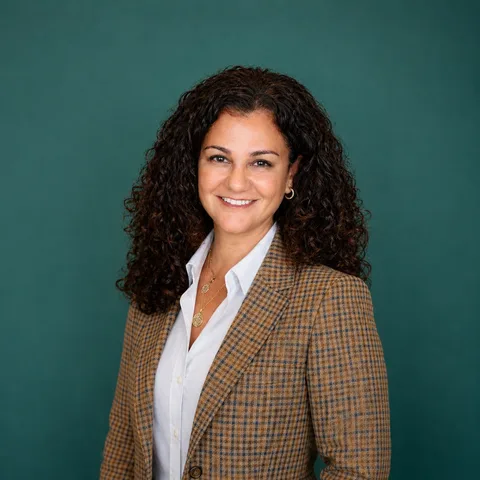
Pamela Neff is an OB/GYN at THE Health and Wellness Centers, a federally funded community clinic group with five health centers around south Los Angeles that has been seeing patients since 1974. The clinic takes people regardless of ability to pay or immigration status, and its own pages cover gynecology, family planning and prenatal care rather than menopause. Her menopause practice is published through Gennev, a virtual menopause service where she sees California, New Jersey and Pennsylvania patients by video. She names perimenopause, menopause, premature ovarian insufficiency and breast cancer risk or survivorship among what she handles. Before Los Angeles she practiced nearly twenty years in Philadelphia, doing minimally invasive surgery and training OB/GYN residents. She says she listens first to what a patient has already been through with health care, then works out a plan with her.
Dr. Pravdin is an OB-GYN who sees women in perimenopause and menopause. She also treats sexual health concerns such as low desire, painful sex and vaginismus. Visits are in person at a clinic in Redwood City or online for patients who live in California. Treatment can include hormonal and non-hormonal options, supplements, diet and lifestyle changes, and cognitive behavioral therapy. She schedules regular follow-ups and adjusts the plan as needed. She is fluent in Russian and conversant in French and Spanish.
Gina Woods is an endocrinologist at UC San Diego Health and directs the system's osteoporosis program. UC San Diego Health lists her among the specialists in its menopause health program, where her named role is bone health. Her own provider page names that program next to osteoporosis and metabolic bone disease. Bone is the center of her practice, so the midlife patient she sees most is one worried about fracture risk or a falling bone density score. She works out of the Perlman Medical Offices in La Jolla, and care runs the way it does at any large academic system, with new patients registering before a first visit and messages and records going through the patient portal. She teaches as well, as associate program director of the endocrinology fellowship and medical director of UC San Diego's bone densitometry course for other clinicians.
Michelle Dahle runs a small solo menopause practice in Palos Verdes Estates and also sees patients by video. Care starts with a consultation covering history, lifestyle and symptoms, then a follow-up three to six weeks later to adjust treatment, then a yearly check-in that looks at bone and heart health. She prescribes estrogen and progesterone in several forms, low-dose testosterone for low libido, and non-hormonal medicines for women who can't or don't want to use hormones. Her site argues that age alone shouldn't rule out hormone therapy after 60. She also offers an estriol face cream for midlife skin changes. Her background before nursing was a psychology degree, and she says that shapes how she thinks about mood and menopause.
Ann Boss sees women in perimenopause and menopause at an office in Torrance and by video. Care comes as three yearly programs that differ mainly in how often you see her, from four visits a year with ongoing messaging to two visits with limited messaging. She prescribes hormone therapy and testosterone, and she also manages GLP-1 medication for weight. She specifically helps women move off hormone pellets onto FDA-approved hormone therapy. Her video visits run through the Heather Hirsch Collaborative, and she teaches seasonal Menopause 101 classes through Torrance Memorial. New patients start with the booking form on her site, and a scheduler follows up.
Mia Elder is a certified nutritionist whose practice works only with women in perimenopause, menopause and postmenopause, including women with premature ovarian insufficiency, surgical menopause, and women who are on hormone therapy or cannot take it. She prescribes nothing and does not manage hormone therapy, so the care here is nutrition counseling alongside whatever a woman's own prescriber is doing. Care runs either as a single ninety minute midlife check-up or as a six session program that opens with a full intake and then meets every few weeks, with message access and research done between sessions. She was diagnosed with premature ovarian insufficiency at 39 after five years of being told nothing was wrong, and she built the practice around what she wishes she had been given. She spent seven years in metabolic health at Dexcom and reads continuous glucose monitor data, and she says plainly that she will not hand anyone a list of forbidden foods. California patients need a physician referral before she can see them.
Fair Oaks Women's Health is an eight-physician OB-GYN group in the Huntington Pavilion beside Huntington Hospital, and it became part of Huntington Health and Cedars-Sinai in 2023. Jick is its medical director. He joined in 1989 and ran it as the solo doctor before it grew into today's group, and he is the only clinician the team page tags as a Menopause Society Certified Practitioner. Hormone consultations are arranged by calling the office and can be done by video or in person. He also performs the Valayza vaginal laser for dryness and painful sex after menopause, which the practice lists under his name. New gynecology patients print a forms packet and send it back ahead of the first visit, and the practice keeps a menopause resources page he writes in his own voice.
Wendy Ronco is a nurse practitioner at a large primary care practice in Exton, and her work there now centers mostly on menopause care. To see her you have to be a patient of the practice with one of its clinicians as your primary care provider. New patients can enroll with the practice and then book with her. She sees patients in the office and also does menopause visits by video on Tuesdays and Wednesdays, for patients who are in Pennsylvania at the time. She has spent her whole career in women's health and obstetrics and also handles gynecology such as Pap smears and IUDs. The practice's clinicians also run a free on-demand video series on menopause.
Allie Theiss is a menopause coach, not a licensed clinician, and she does not prescribe. The main service is a private three or six month coaching program on her own six-part framework, covering nutrition, supplements, flower essences, sleep and stress, intimacy and energy. Smaller options are a one-off audit with a recorded video review, and single paid sessions by Zoom, phone or in person in Akron. She writes that hormone therapy was not an option in her own menopause, and the program's answer to hormonal symptoms is supplements, flower essences and lifestyle change rather than medical treatment. When checked, the online calendars for the paid sessions showed no open times and were not taking payment, so the audit and the coaching program were the open ways to start.
Melinda is a nutrition counsellor and cannot prescribe, so this is food and lifestyle support for the menopause transition and not hormone treatment. She mainly works with autistic, ADHD and AuDHD adults, and her approach is weight-inclusive and non-diet. Care begins with an introductory call and an assessment that covers health history, a menopause symptom questionnaire and a look at the supplements you already take. She takes no supplement affiliate or referral money. Sessions are weekly or every other week in downtown Bend or on Zoom, with messaging in between, and she expects to work together for at least five months. She came to this work through her own perimenopause and a late AuDHD diagnosis, and she also works with eating disorders at the outpatient level.
Dr. Carol runs a small concierge practice for women in perimenopause and menopause, and she is going through midlife herself. She spent about 20 years as an emergency physician before turning to menopause care. Care starts with a free 30-minute video call, then a package of two long visits, each 60 to 90 minutes, with messaging between and after them. Visits can be at her Manhattan office, by video, or at your home or workplace. The visits look at symptom treatment along with bone, heart and breast cancer risk. She does not replace your own doctors, so you still need a primary care doctor and a gynecologist for exams and mammograms.
Dr. Neelagaru runs a virtual-only specialty clinic for menopause and sexual medicine. She no longer provides primary care, so patients keep their own doctor for routine care, physicals and pelvic exams. New patients start with a free video strategy call, and care runs through 60-minute video visits or her four-month Flourish Method program with labs and monthly follow-ups. She prescribes FDA-approved bioidentical estrogen, progesterone and testosterone, plus vaginal estrogen and non-hormonal options, and she does not place pellets but helps women move off them. Sexual health is at the center of her practice, and she also sees male partners for erectile dysfunction and low testosterone. She is perimenopausal herself and says her own hormonal changes shaped how she practices.
Concierge primary care for adults around Incline Village and North Lake Tahoe, run by a single internist who is a Menopause Society Certified Practitioner with a stated focus on women's health and menopause. A flat monthly membership covers unlimited office visits, direct messaging with the physician, annual exams and virtual visits, with home visits and same or next-day access also offered. Non-members can book a one-off urgent care visit or a paid introductory visit credited toward joining.
A concierge integrative and functional internal medicine practice in Manhattan for adults with chronic conditions and midlife health, led by a board-certified internist who is also a Menopause Society Certified Practitioner. Care is sold as twelve-month packages pairing physician visits with an integrative health advisor. The first assessment is a 90-minute consultation plus an advisor visit, and New York patients are encouraged to come in for a brief exam. Consultations are by video, with unlimited portal messaging and calls answered within one to two business days.
Dr. Towolawi runs a direct primary care practice in Shoreline, but her primary care panel is full, so new menopause patients see her through a separate telehealth service. Visits are by video for women in the states she covers. Care starts with an hour-long first visit, and shorter follow-ups are booked as needed. She prescribes hormone therapy when it fits and pairs it with lifestyle medicine coaching on nutrition and supplements, with secure messaging between visits. She is also board certified in lifestyle medicine. She is perimenopausal herself and speaks openly about women, especially women of color, being dismissed when they raise their symptoms.
Dr. Tunson runs a virtual longevity medicine practice and spent about 14 years as an emergency physician before starting it. Women who want to focus only on hormones can buy a hormone package with labs, two hour-long visits and prescription management when it's indicated, or book a single hormone consultation. She also offers a test that estimates ovarian age and when menopause is likely to arrive. Her wider program is a multi-year plan built on extensive labs, genetics and imaging, and it is meant to sit alongside your regular primary care doctor rather than replace it. The practice is cash only and has opted out of Medicare, though Medicare patients are welcome to pay privately.
Jackie Stone, MD sees women entirely by telehealth, in a practice she runs alone. She is board certified in obstetrics and gynecology and in obesity medicine, and treats perimenopause, menopause and primary ovarian insufficiency alongside PCOS, genitourinary symptoms, sexual wellness, and skin and hair changes. First visits run a full hour and cover past records, labs and a treatment plan. Ongoing care is by monthly membership or visit by visit, with direct messaging for members.
CaliberMD is Dr. Belardo's own virtual practice for women in midlife, and she treats menopause symptoms and weight together instead of in separate appointments. She is certified in both obesity medicine and menopause care, and she writes openly about her own perimenopause and weight changes. Care runs as a six-month membership that starts with a 60-minute first visit and a nutrition planning session, then moves to monthly video follow-ups with portal messaging in between. She prescribes menopausal hormone therapy when it fits and also works with women who would rather not take medication. The practice does not do primary care, so you need to keep your own primary care doctor. A free Meet and Greet call is available before you sign up.
Dr. Westgate works in a Community Health Network ob/gyn office in Westfield, north of Indianapolis. She stopped practicing obstetrics in 2020 and now sees only gynecology patients, and she has extra training in cancer prevention and early detection plus a women's genomics counseling certificate from ACOG. The network's menopause page names her as one of two doctors it points women to when menopause symptoms or sexual health problems follow cancer treatment. Menopause care there covers hormone therapy with estradiol, progesterone and testosterone, vaginal estrogen, and non-hormonal medicines for women who cannot or choose not to use hormones. She also still operates, including laparoscopy and vNOTES, so heavy perimenopausal bleeding can be worked up and treated by the same doctor. This is a health system practice, so scheduling and messaging run through MyChart, and visits can be in person or virtual.
Kristen Loose is the menopause specialist at Dr. Gina Mantor's medical spa and weight clinic in Westerville, where the rest of the practice focuses on aesthetics and weight loss. She treats perimenopause and menopause with standard hormone therapy, and offers non-hormonal prescriptions and lifestyle advice to women who can't or would rather not take hormones. The first consultation is free and happens by video. After that she sees patients in the office on Wednesdays and Saturdays or by appointment. She follows Menopause Society guidance closely and writes on the clinic's site that soy and black cohosh don't hold up for hot flashes.
Dr. Paul sees patients by video through The Menopause Clinic, a menopause service run with OB-GYN Associates in Reno. The clinic only sees established patients of the group, and you have to stay current with one of its in-office providers to keep your place. So a new patient first books a regular gynecology visit and then gets referred. She spent 17 years in obstetrics and another 10 in full-time gynecology before stepping back to focus on perimenopause and menopause. The clinic uses FDA-approved hormone therapy in pill, patch and vaginal forms alongside non-hormonal options, and it also sees breast cancer survivors.
Shook is a registered dietitian nutritionist at Gennev, a menopause clinic that works entirely by video. This is nutrition and exercise work rather than prescribing, and the clinic's doctors are the ones who handle medication. Gennev's dietitians cover food, movement, sleep and supplements, and they share notes with the gynaecologist seeing the same patient. His stated focus is weight management and body composition, with cardiometabolic health and resistance training to preserve muscle, and he has published research on resistance training and women's health. For general menopause care a doctor refers you to the dietitian, but the weight management track lets you self-refer and start with the dietitian intake. A typical course of care runs every two to three weeks for at least three months, with unlimited messaging between visits.